Food Security Projects
1. Emergency Assistance Project (2015 to 2018)
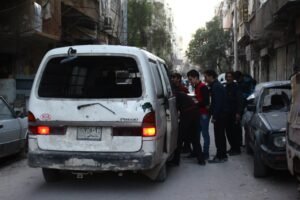
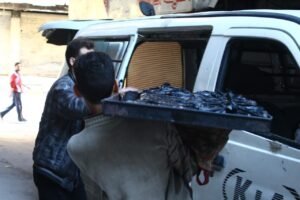
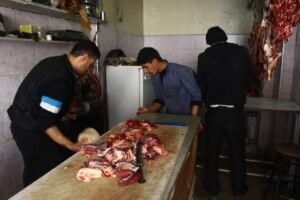
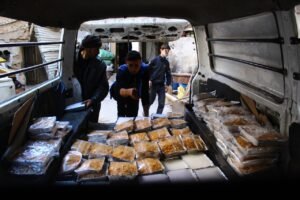
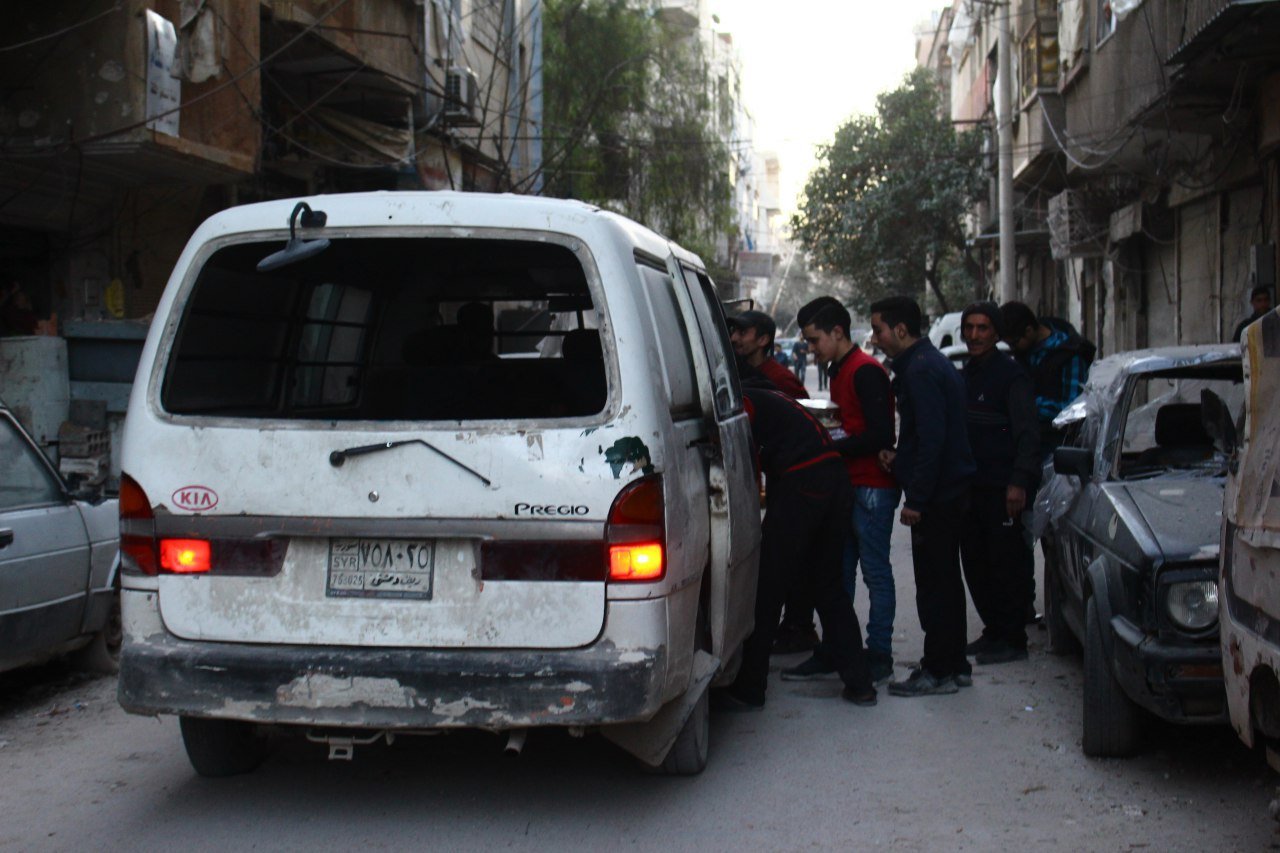
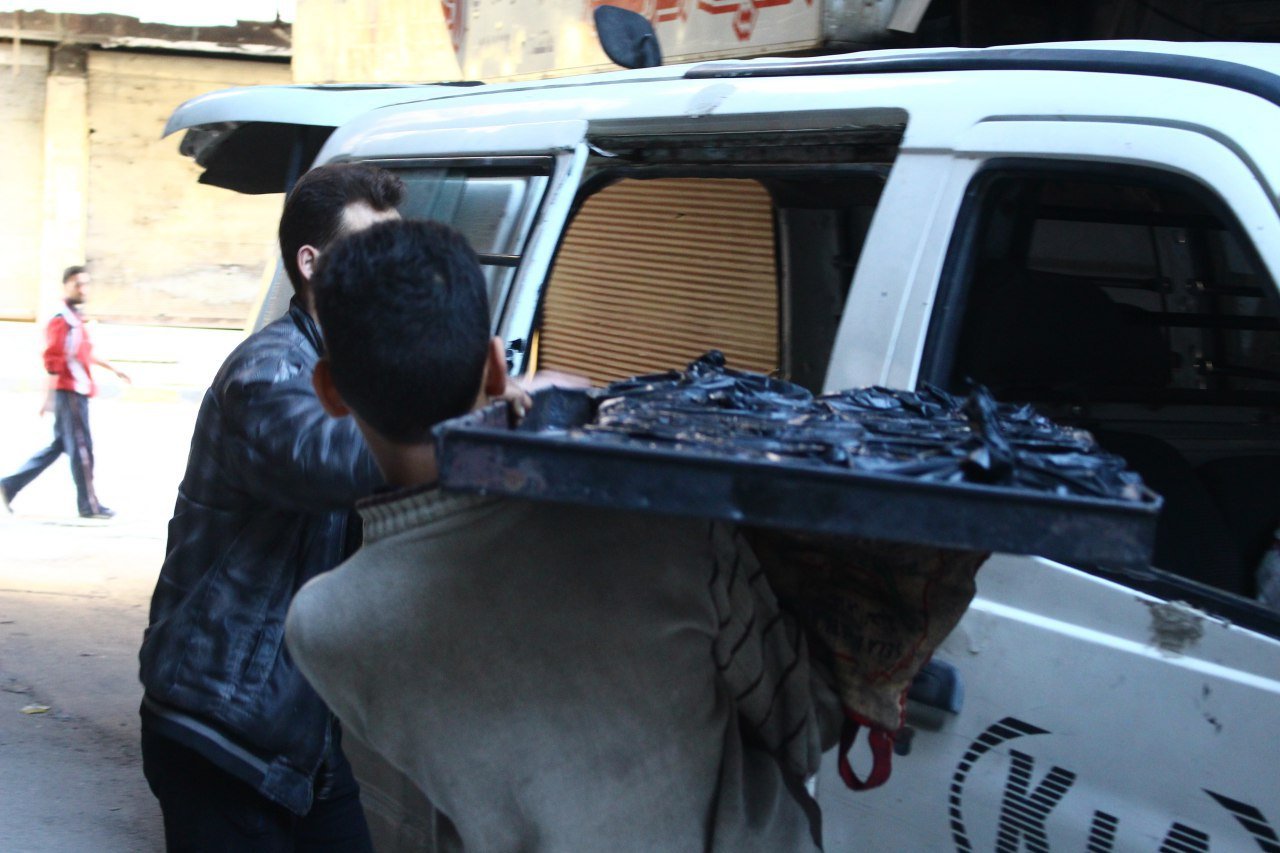
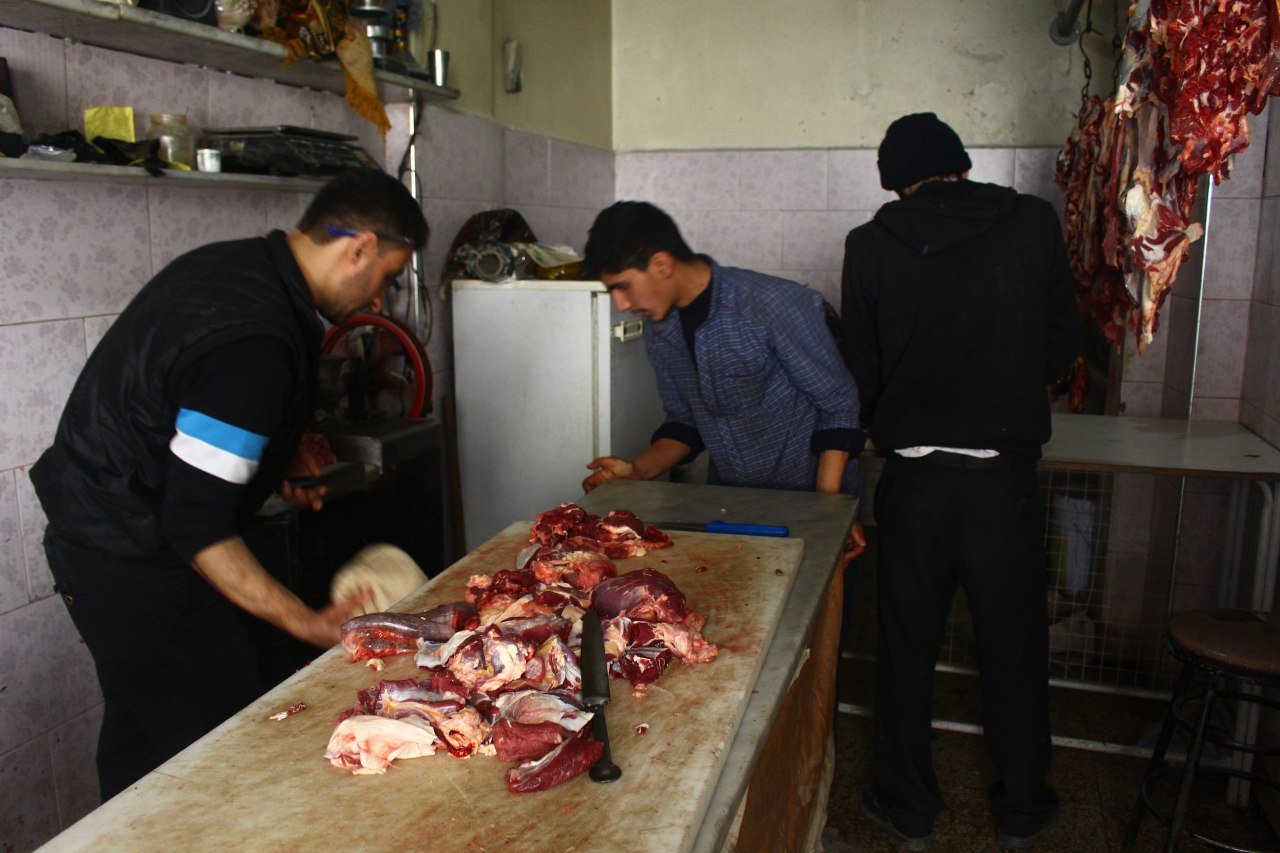
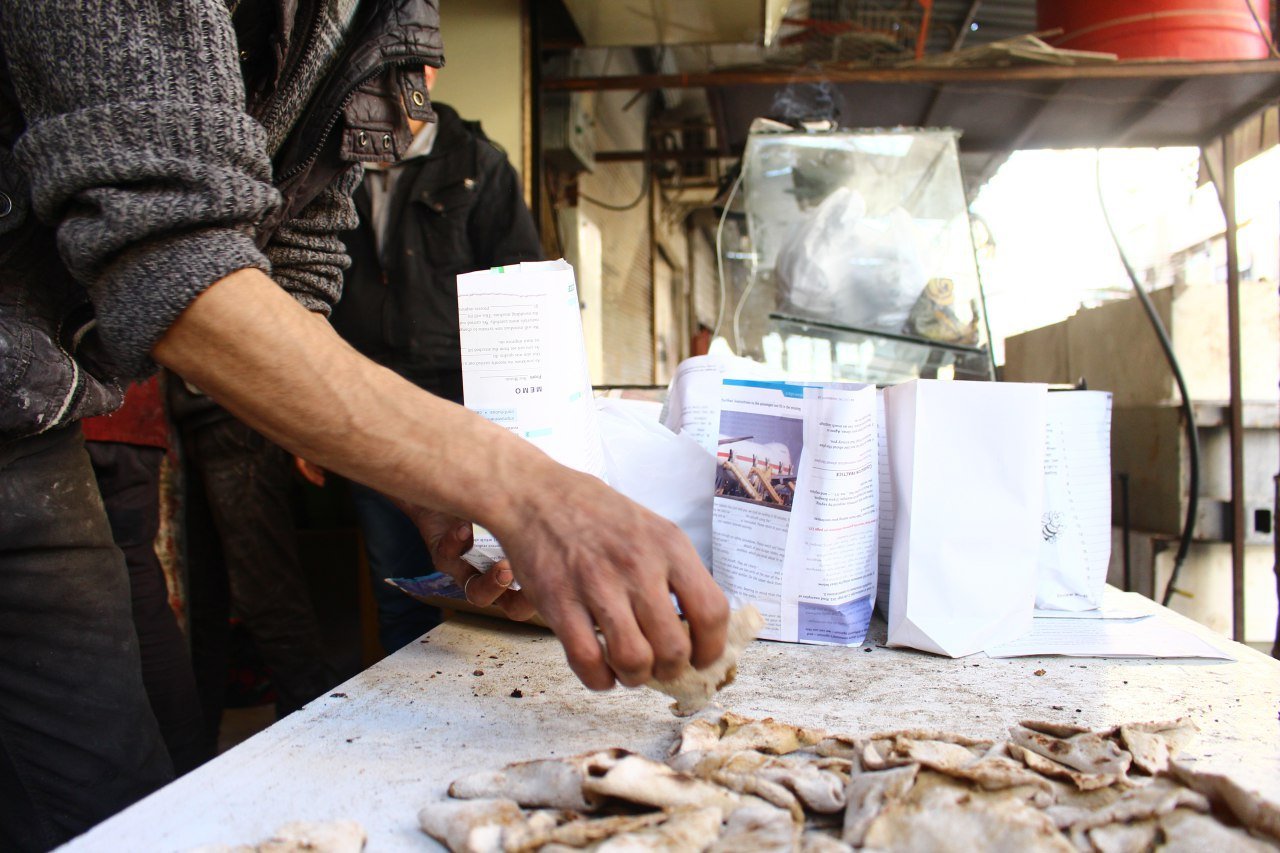
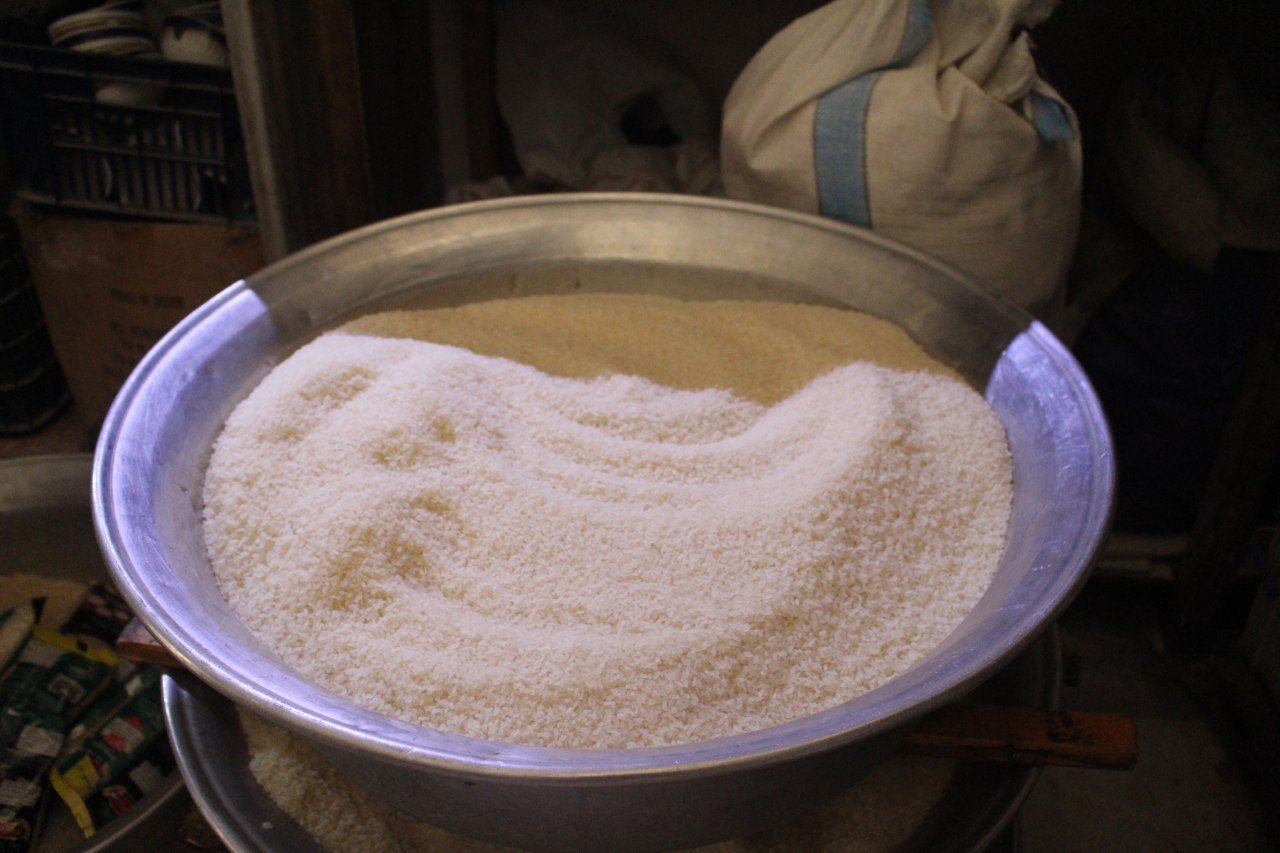
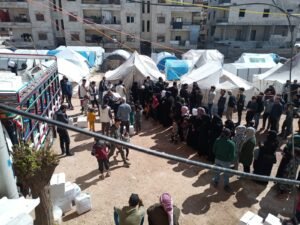
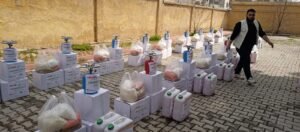
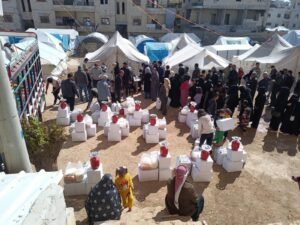
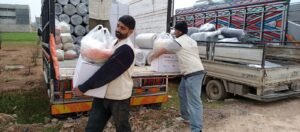
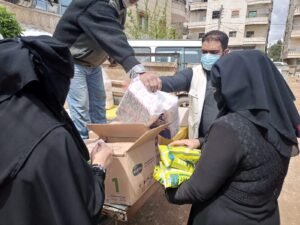
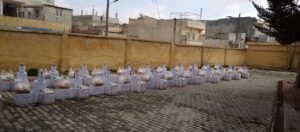
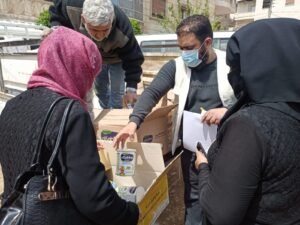
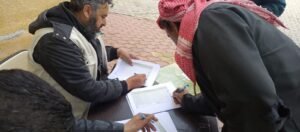
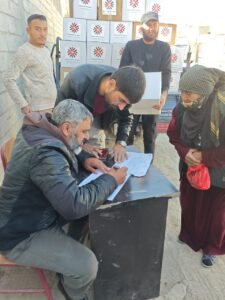
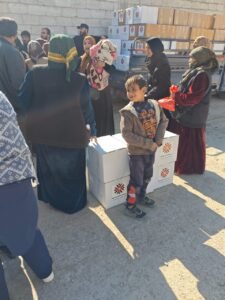
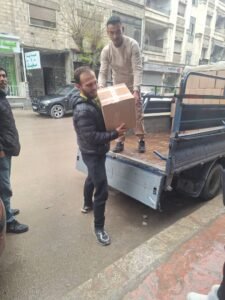
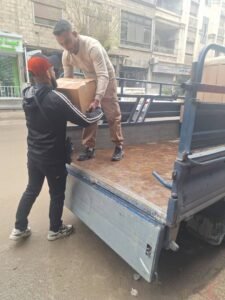
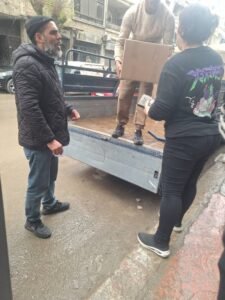
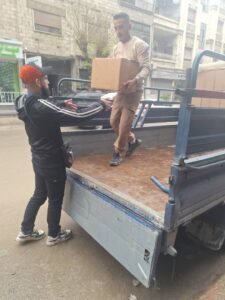
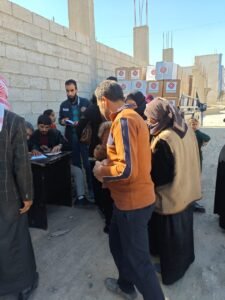
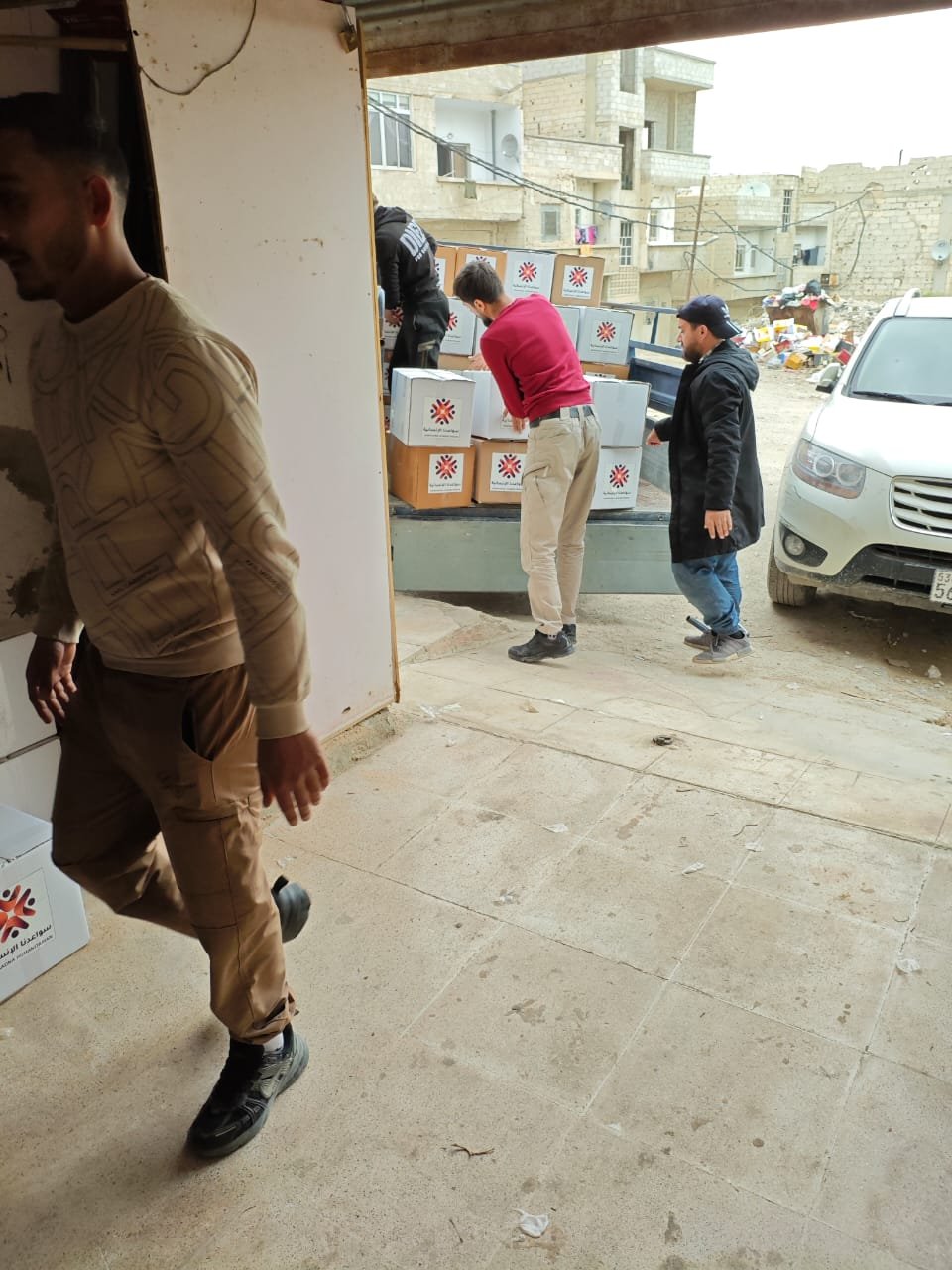
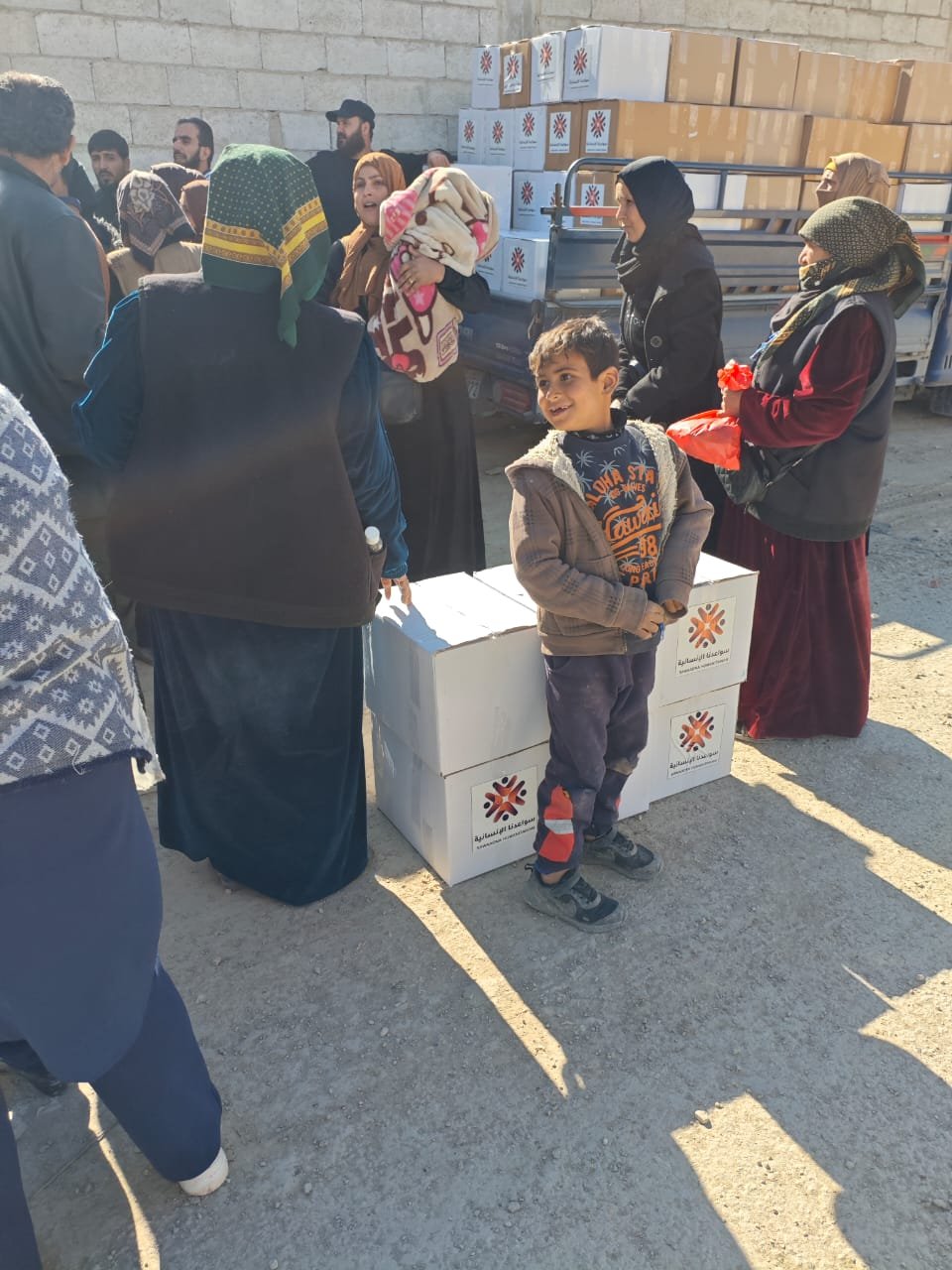
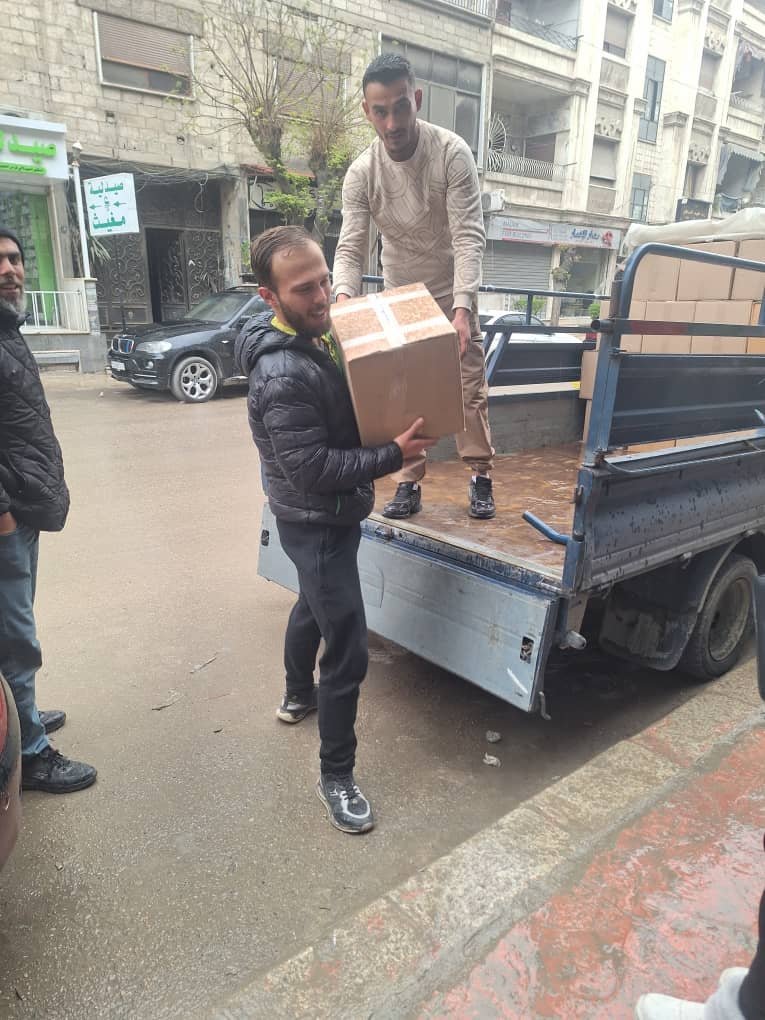
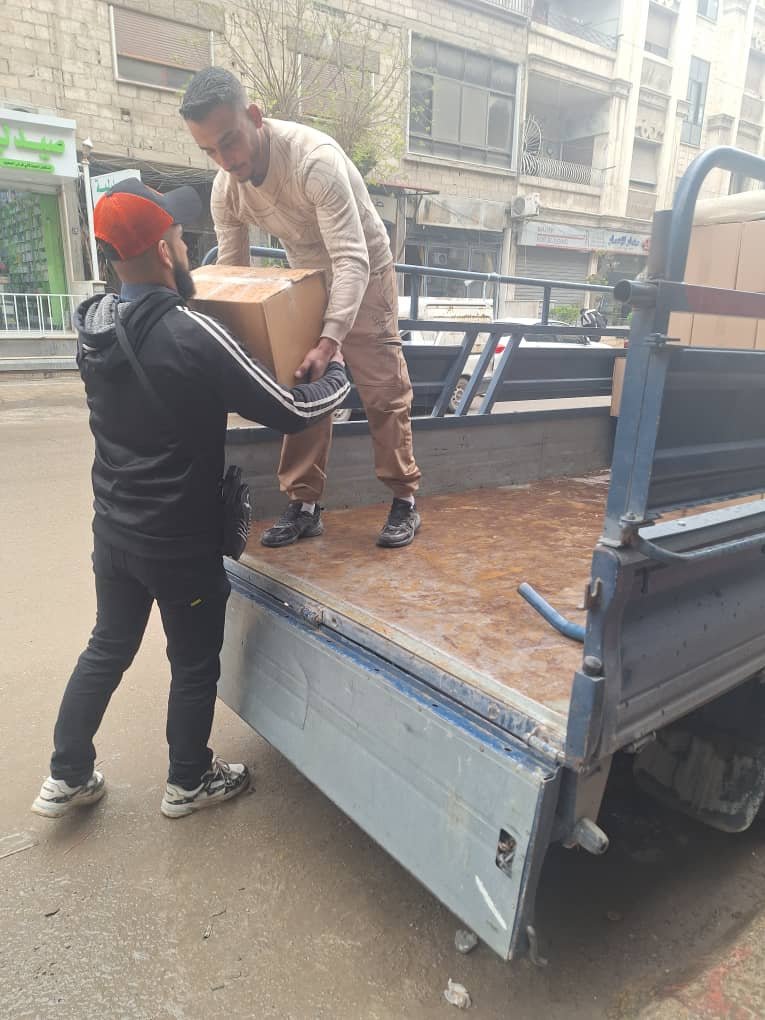
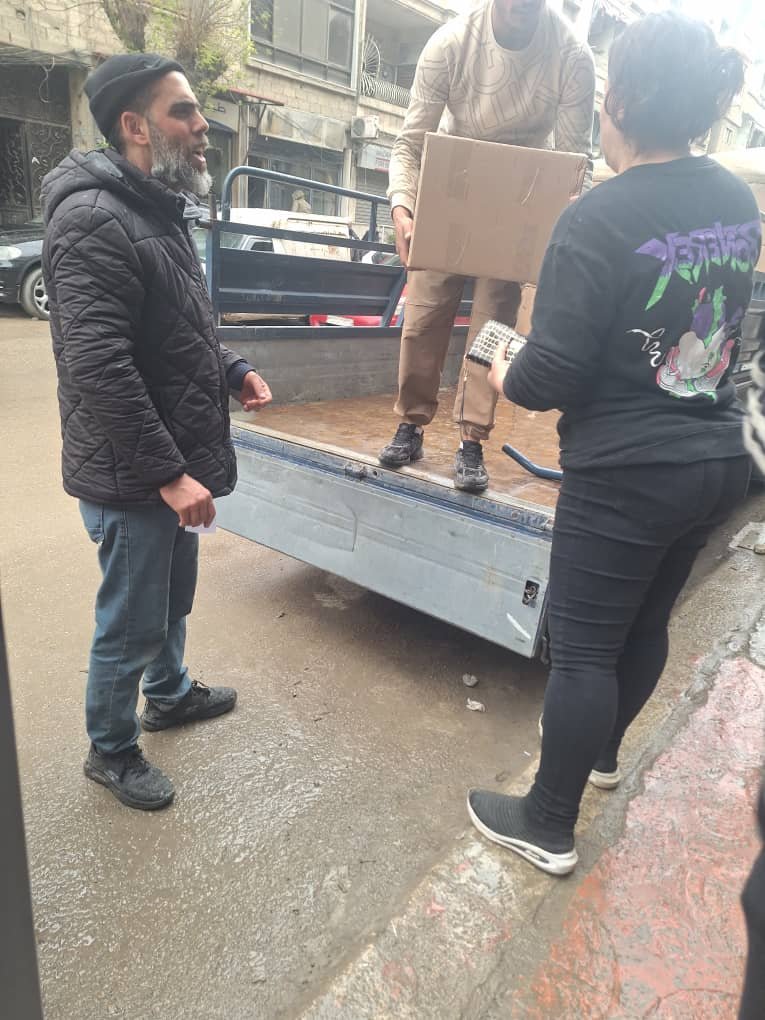
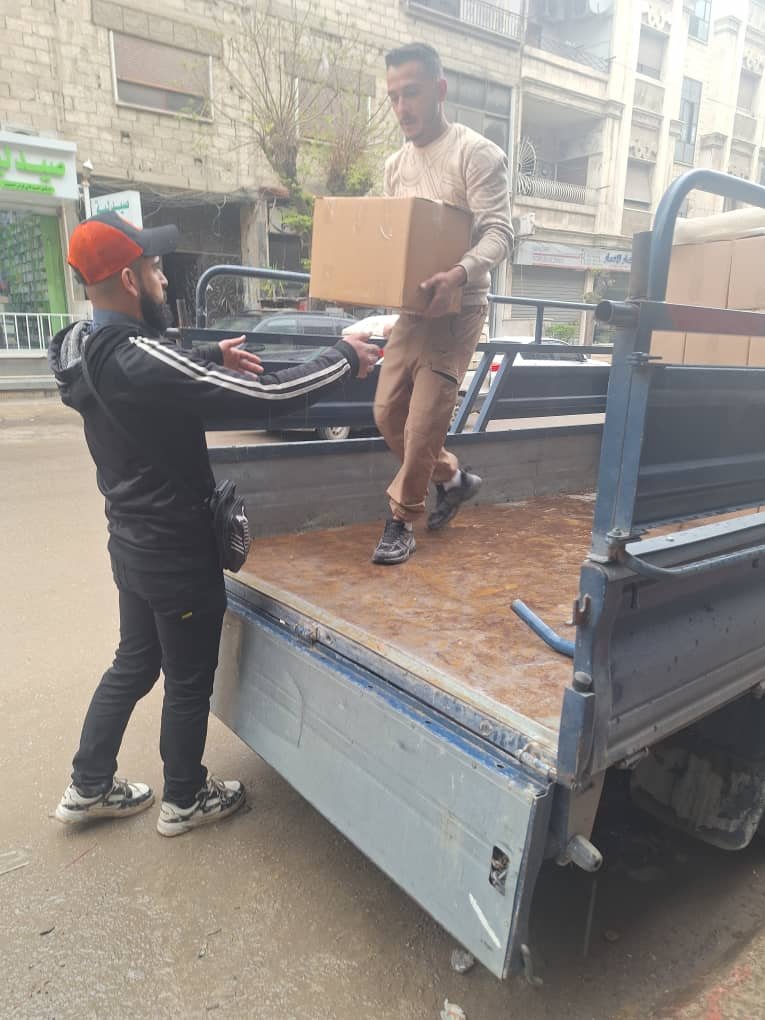
This project provided essential humanitarian assistance (food baskets, hygiene kits, blankets and covers, housing allowances, medical aid) targeting besieged and war-affected areas (Rural Damascus – Eastern Ghouta). The project lasted for 3 consecutive years and delivered the following aid:
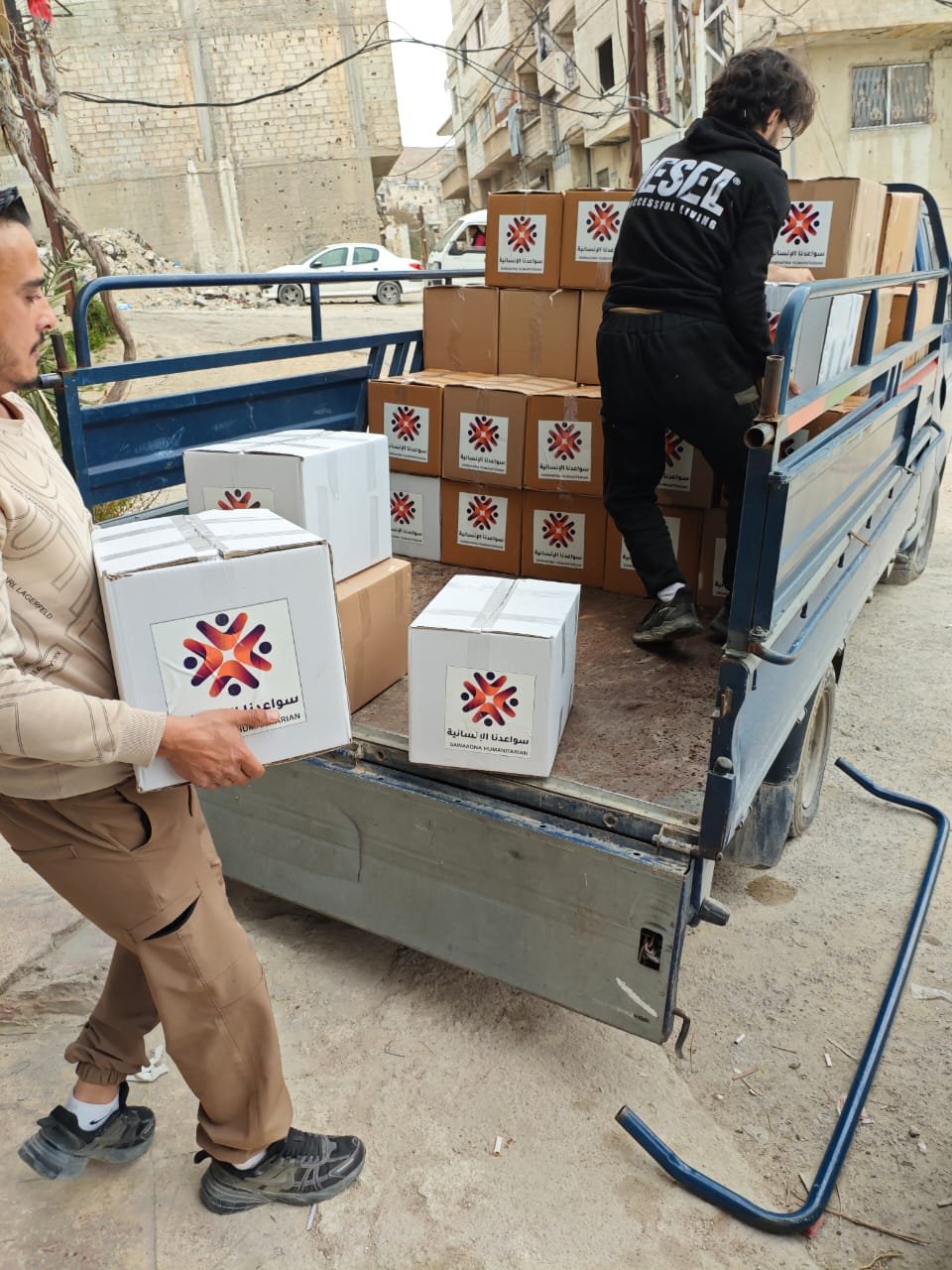
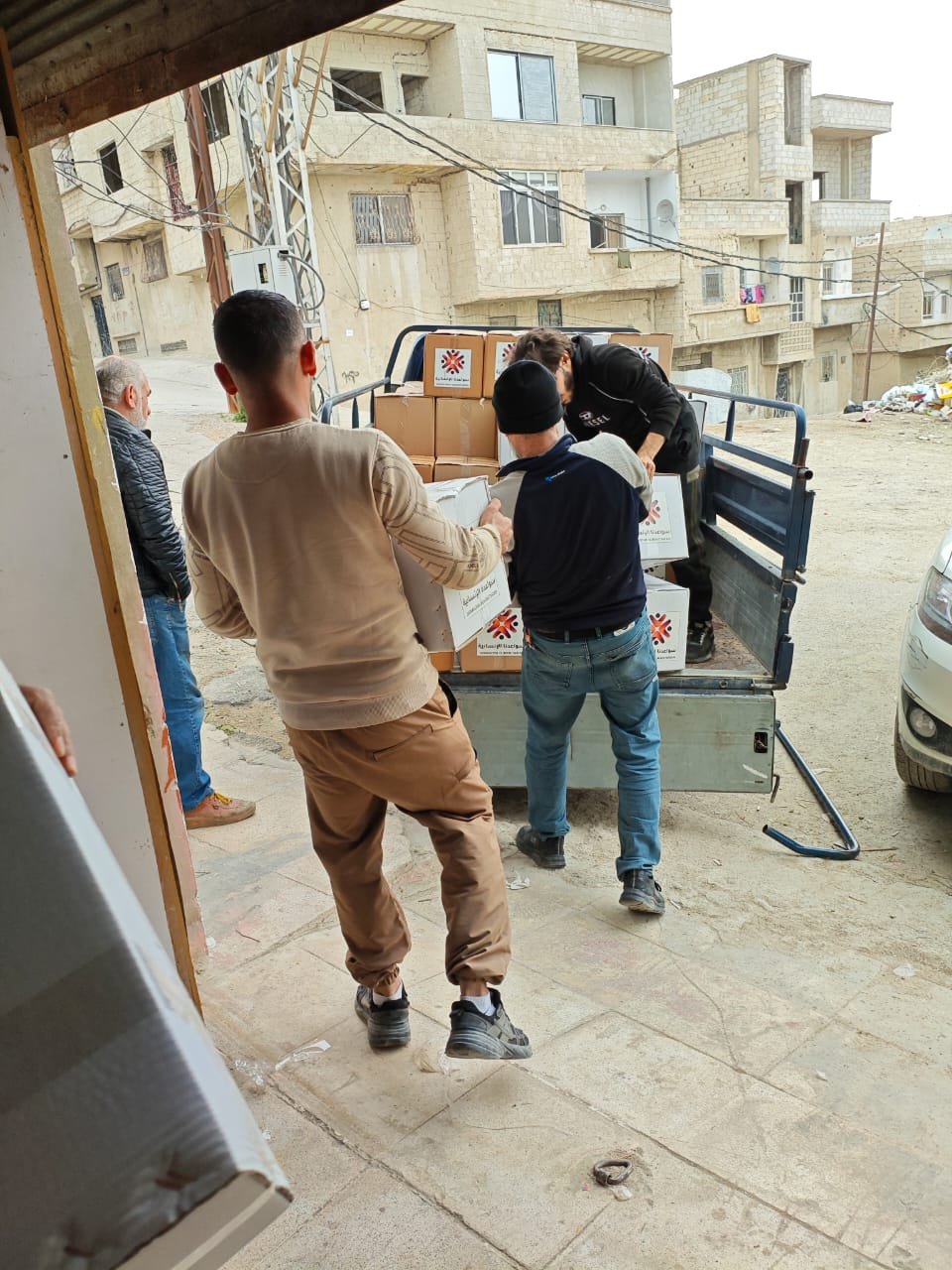
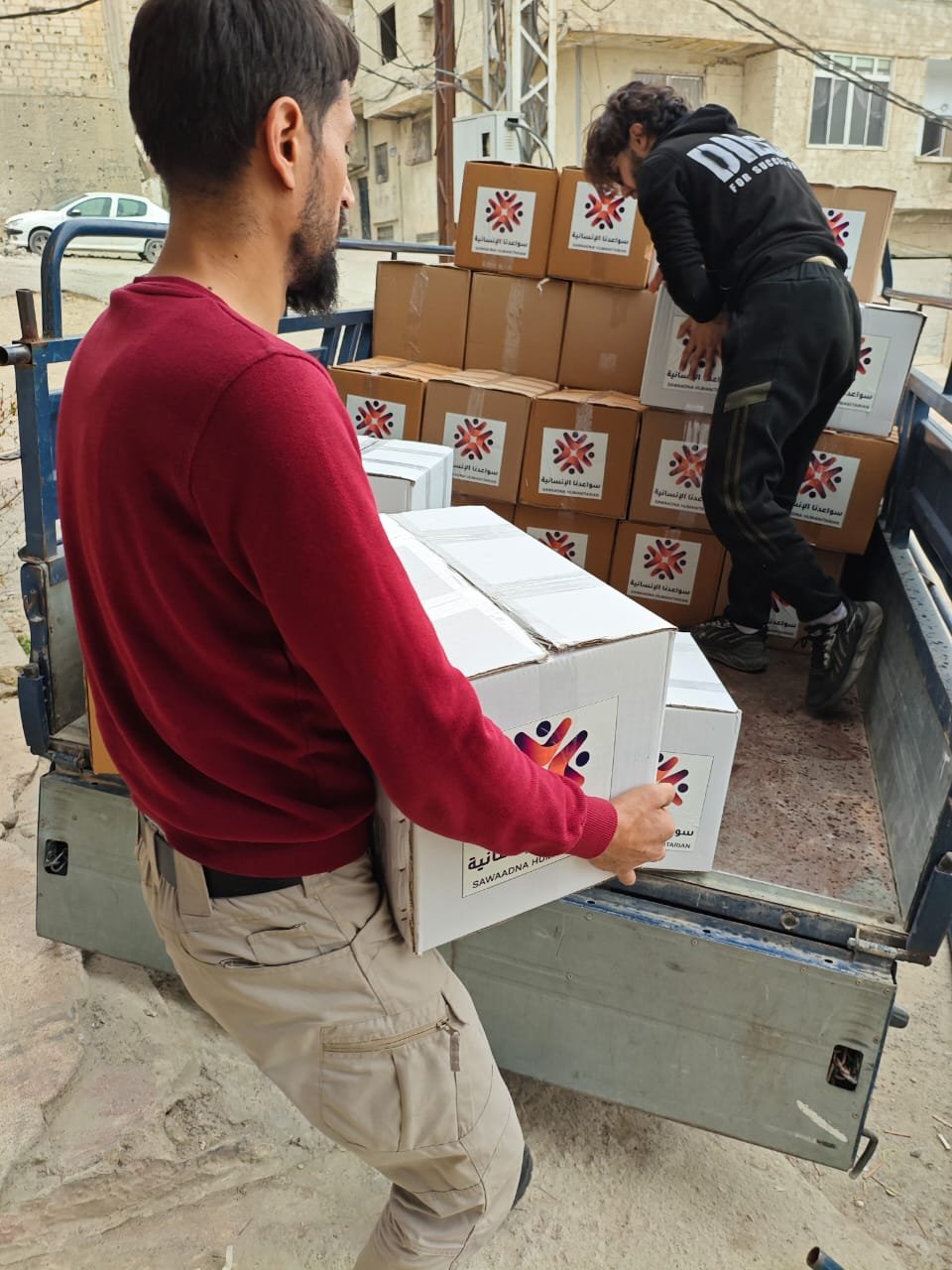
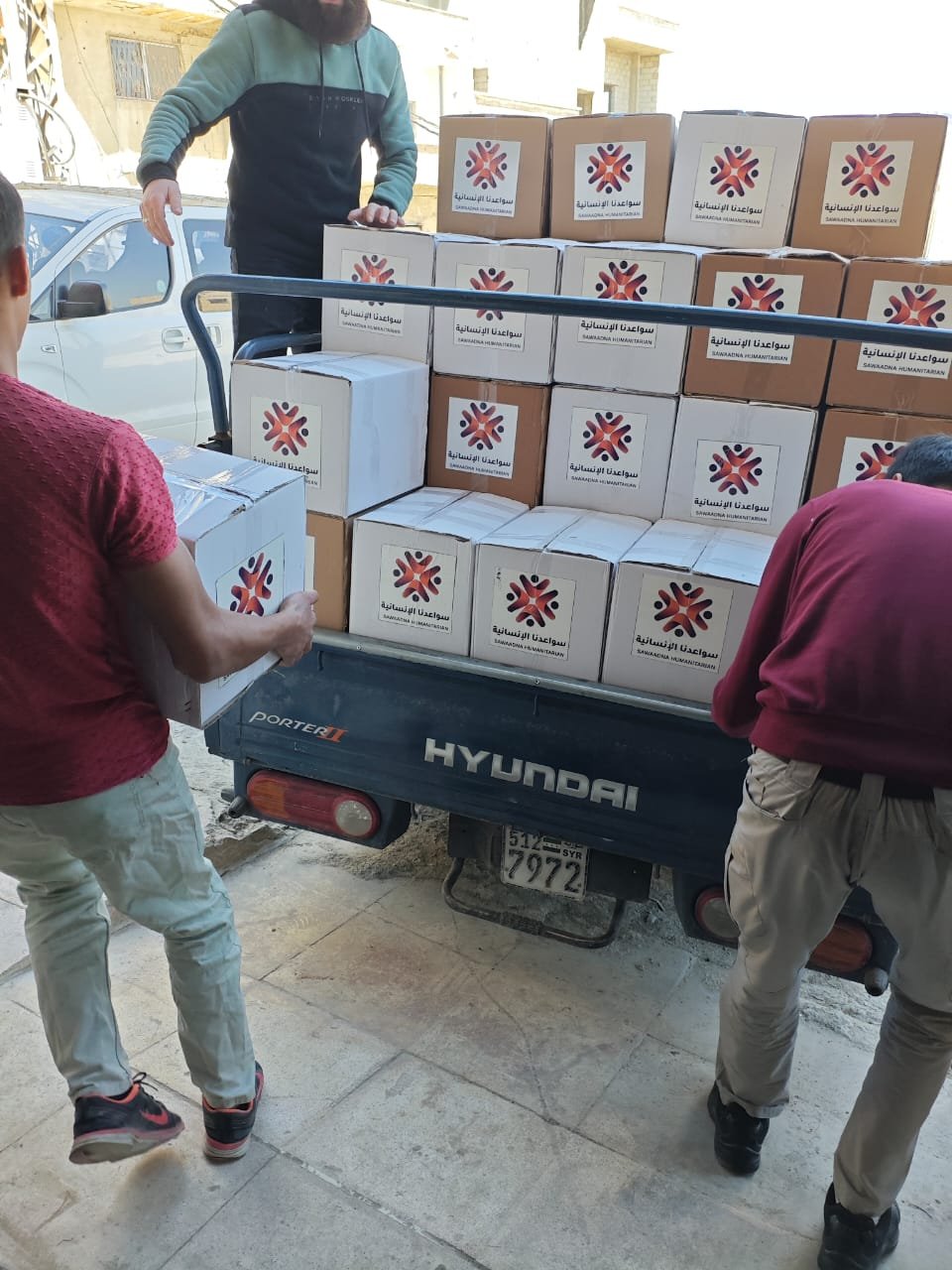
• Monthly food baskets
• Monthly personal hygiene kits
• Housing rent allowances
• Medical support (medications, treatments, and surgeries)
• Non-food items (bedding, covers)
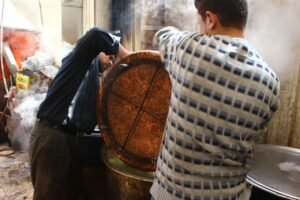
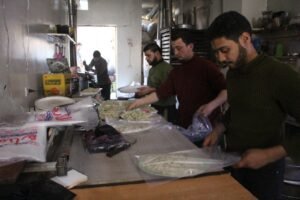
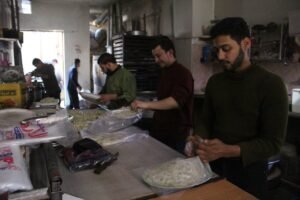
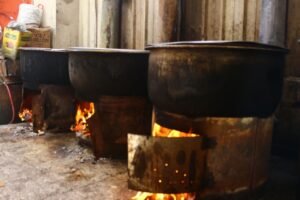
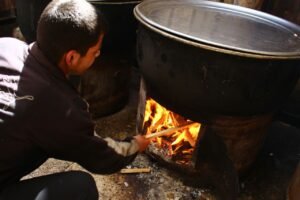
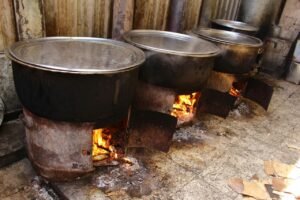
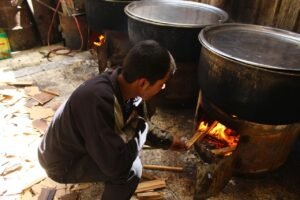
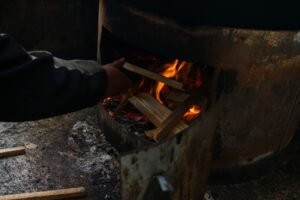
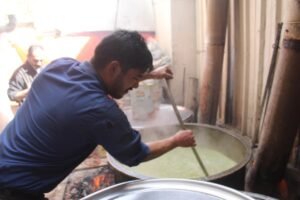
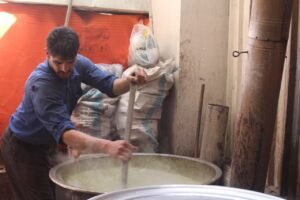
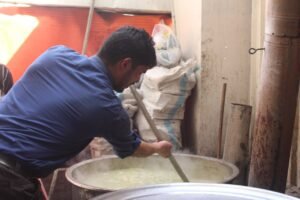
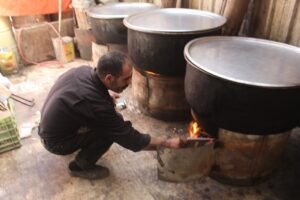
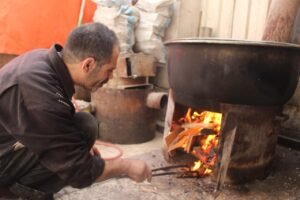
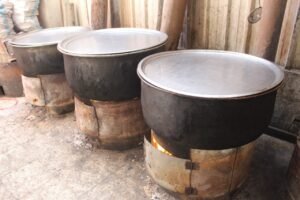
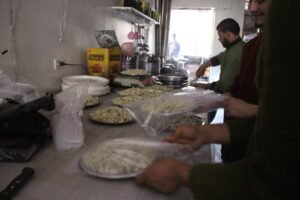
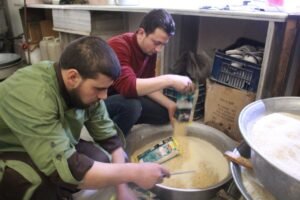
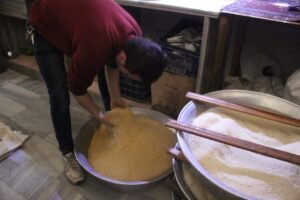
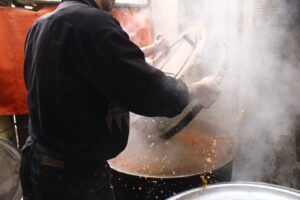
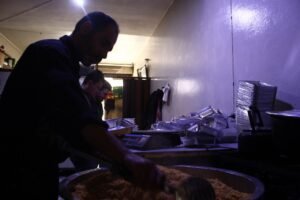
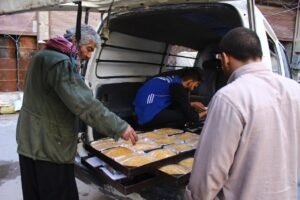
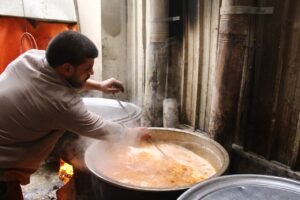
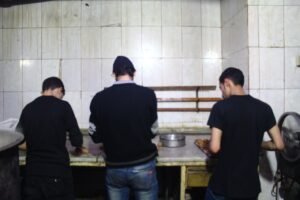
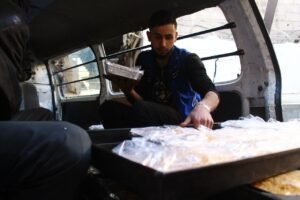
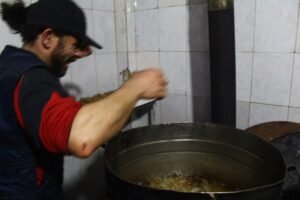
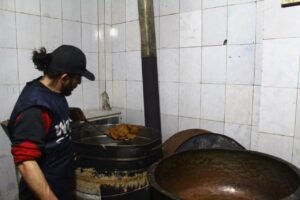
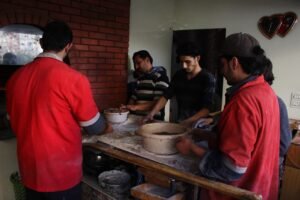
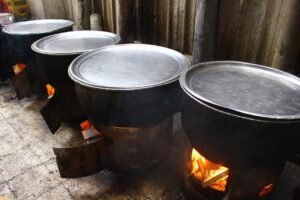
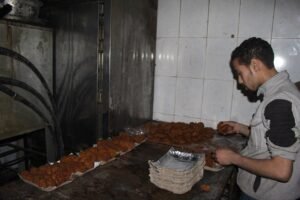
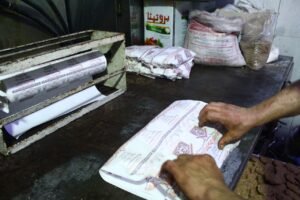
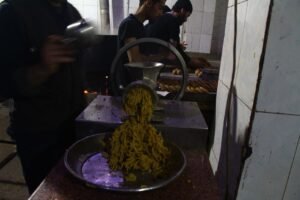
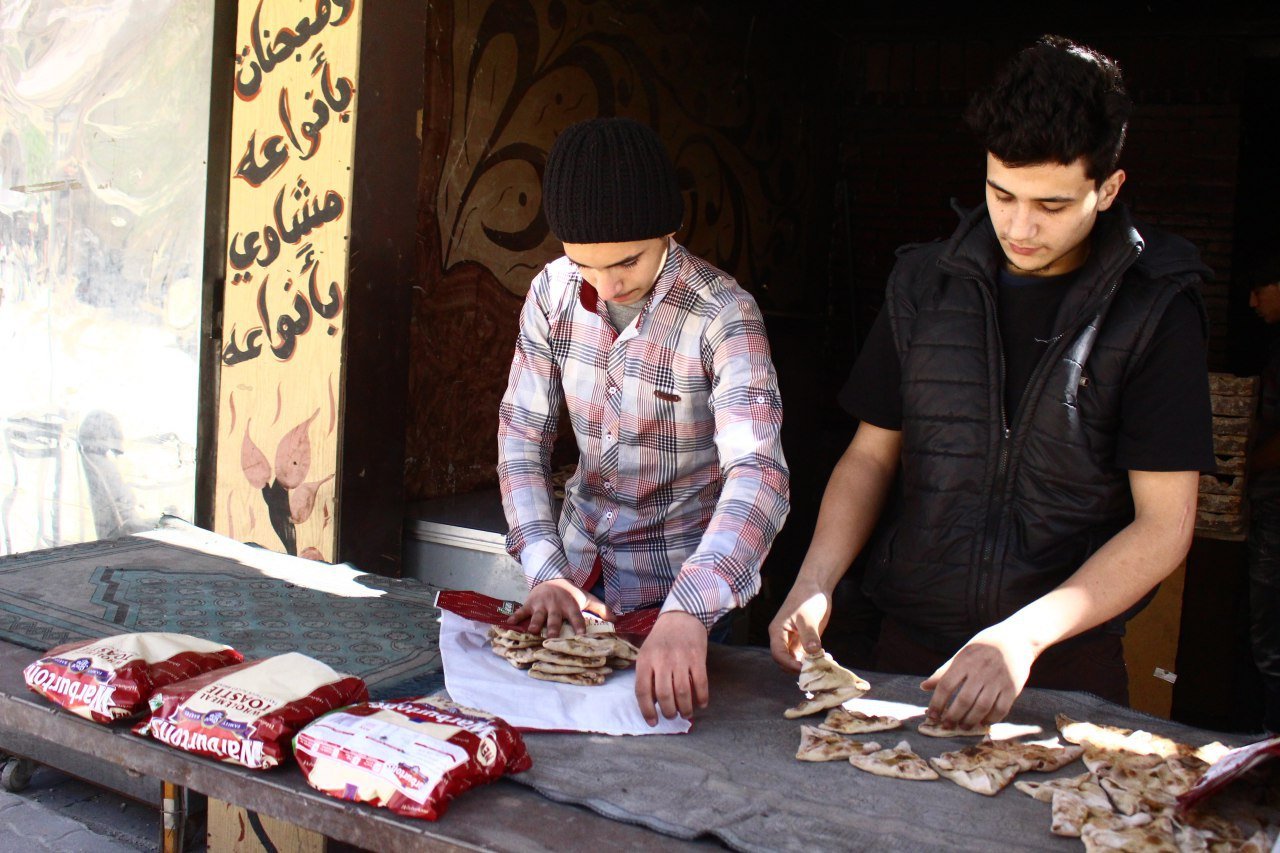
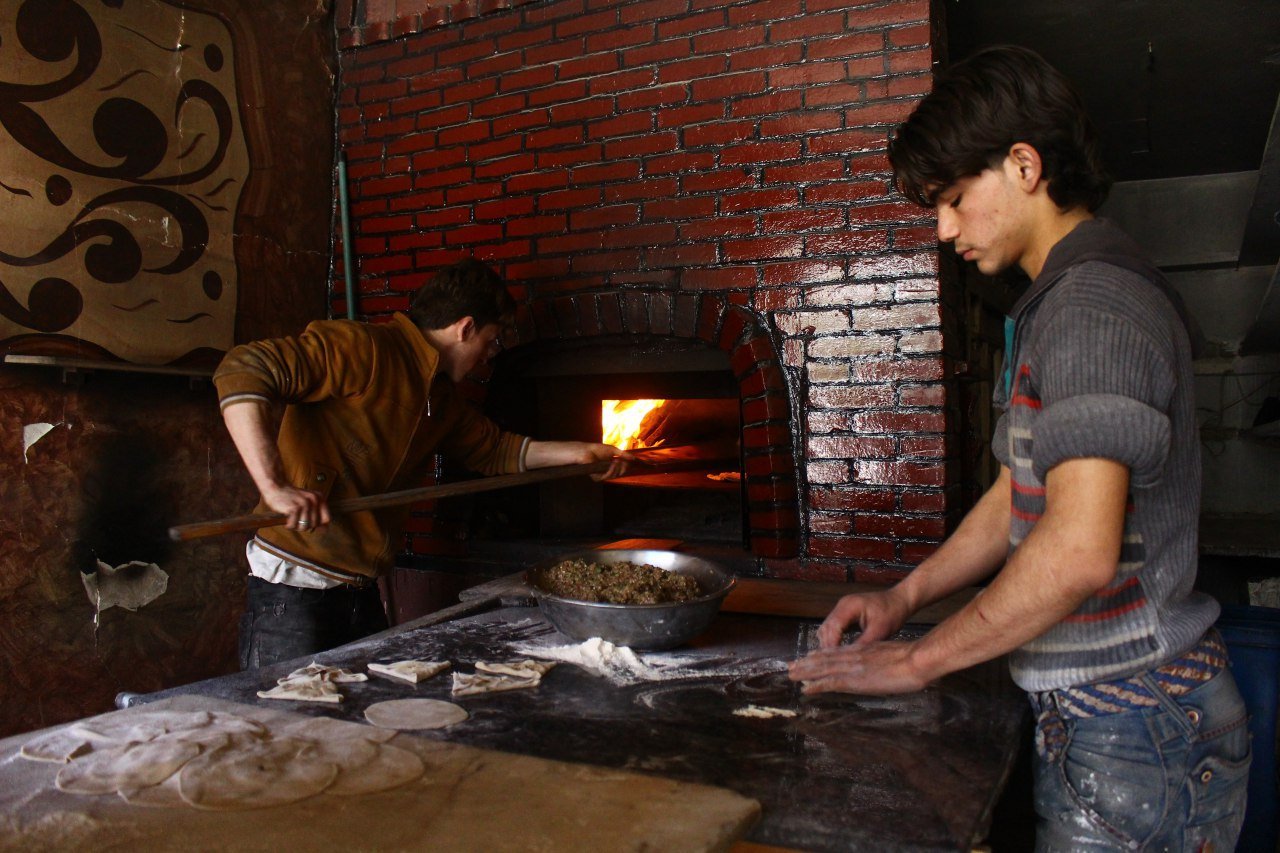
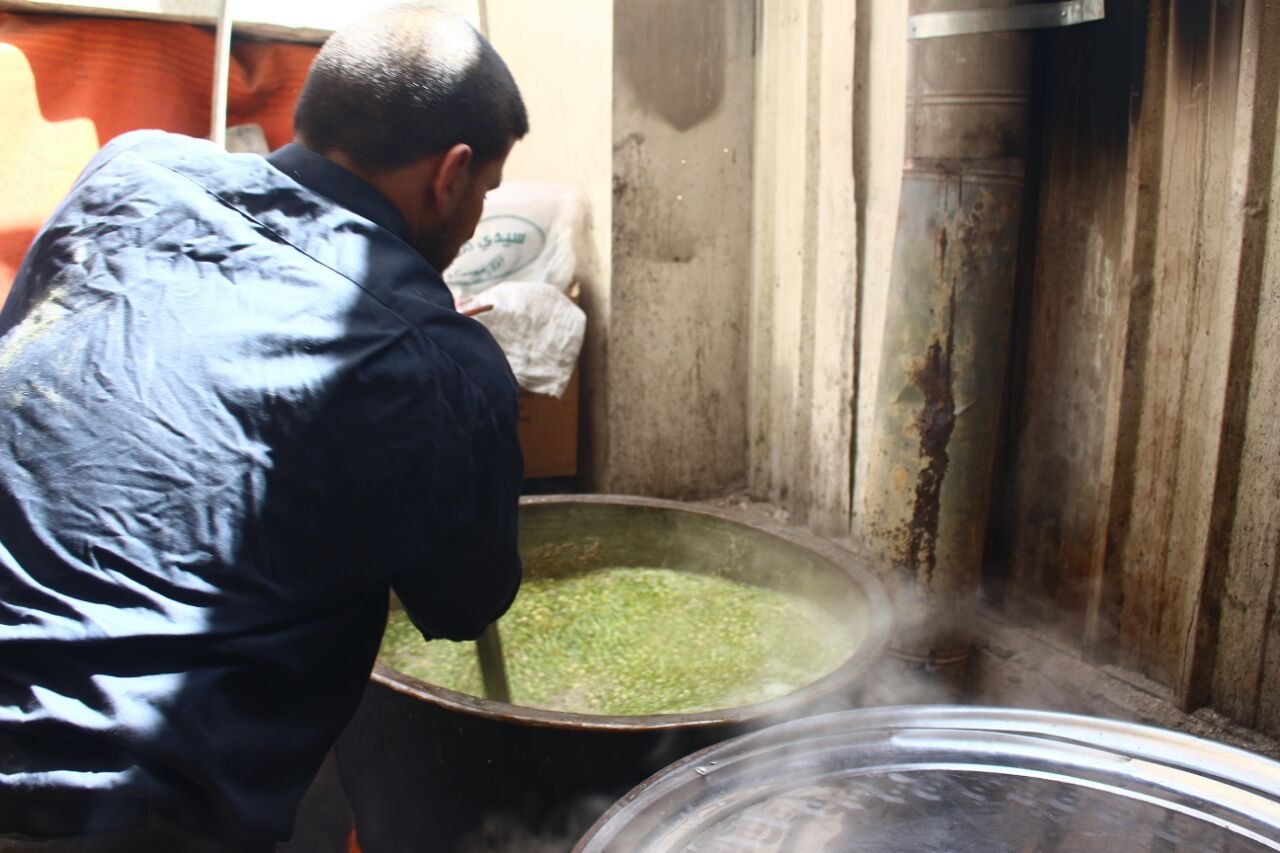
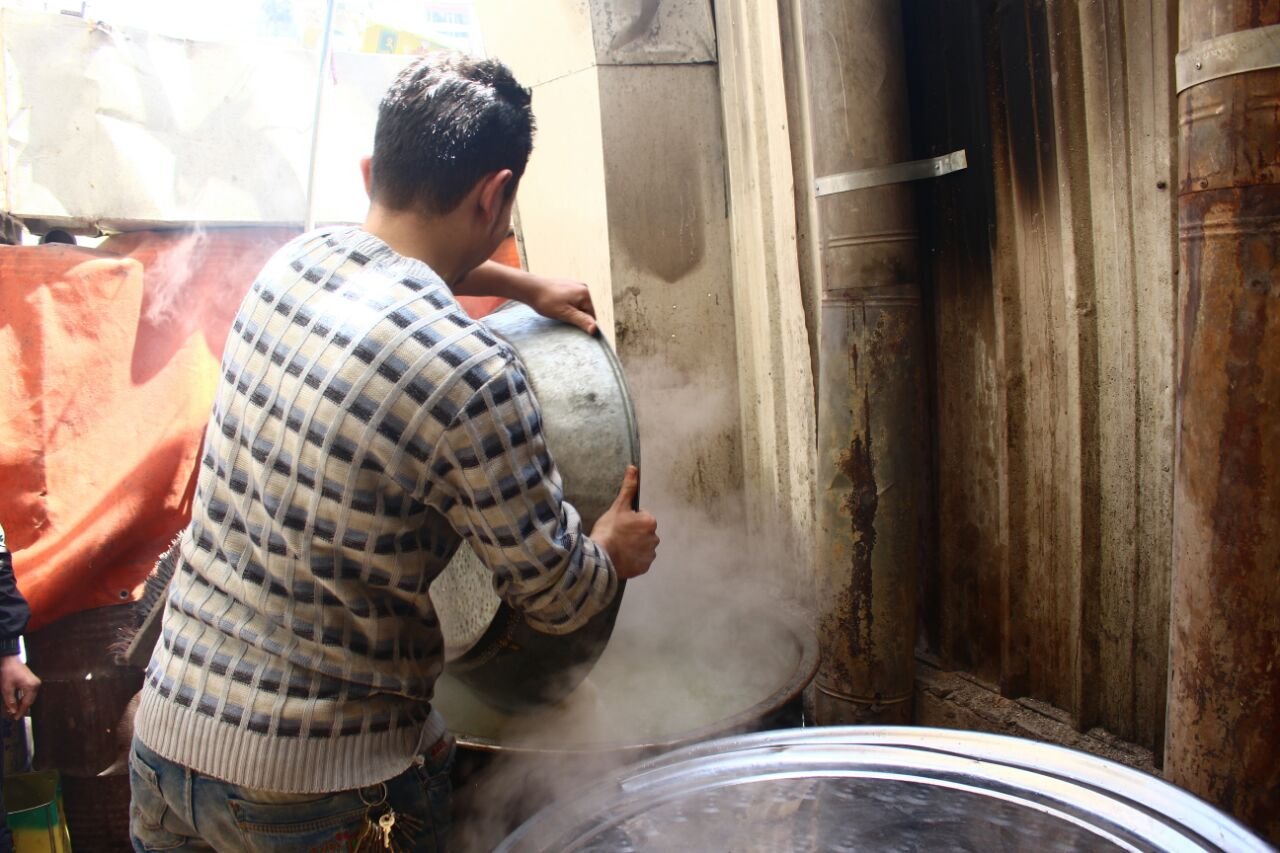
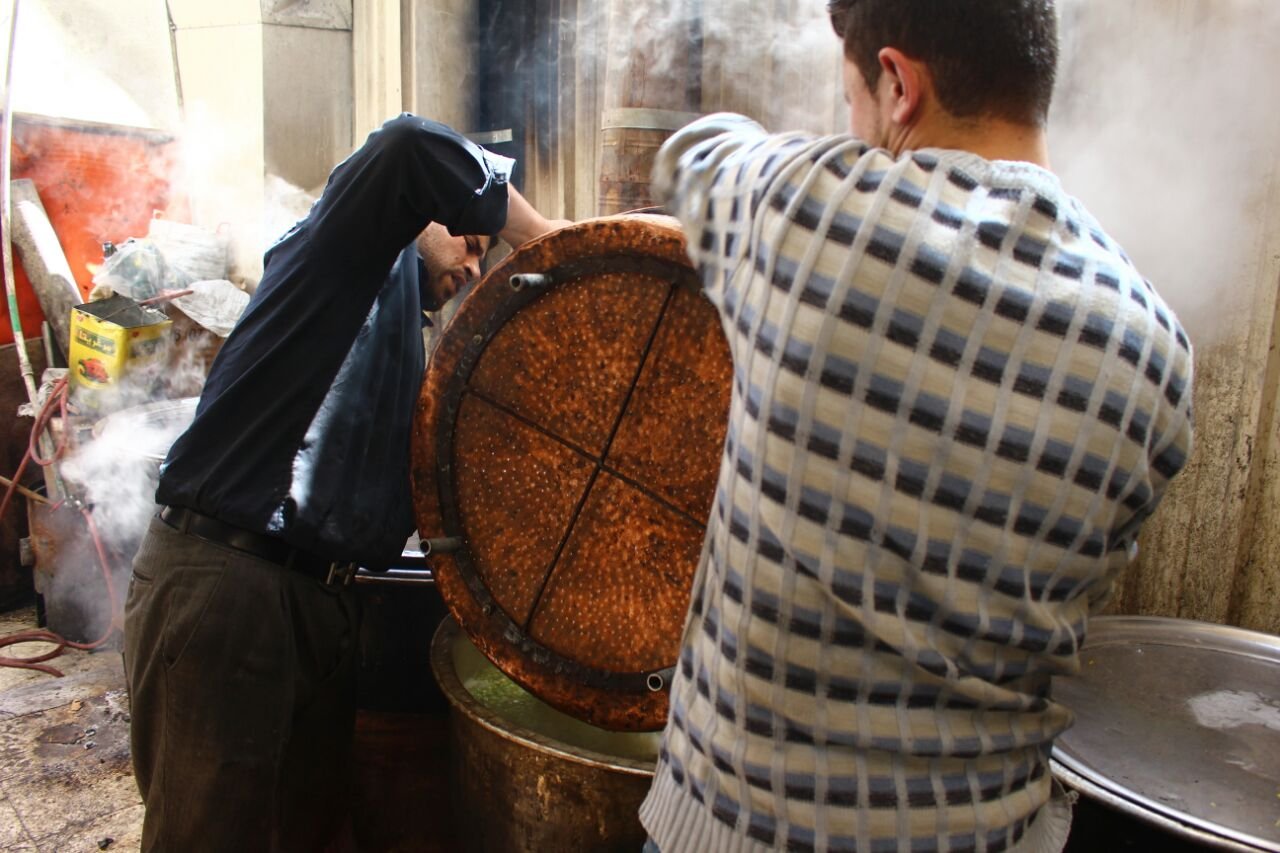
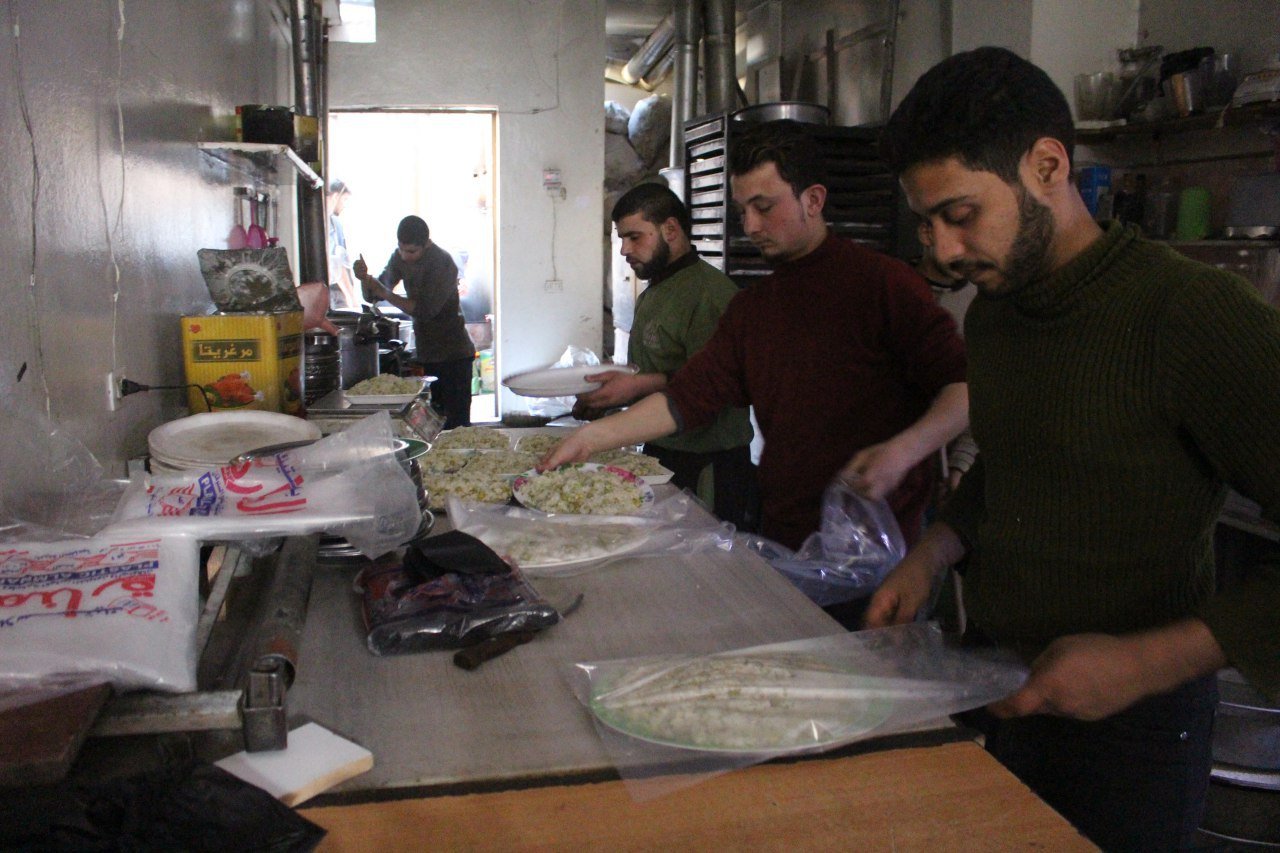
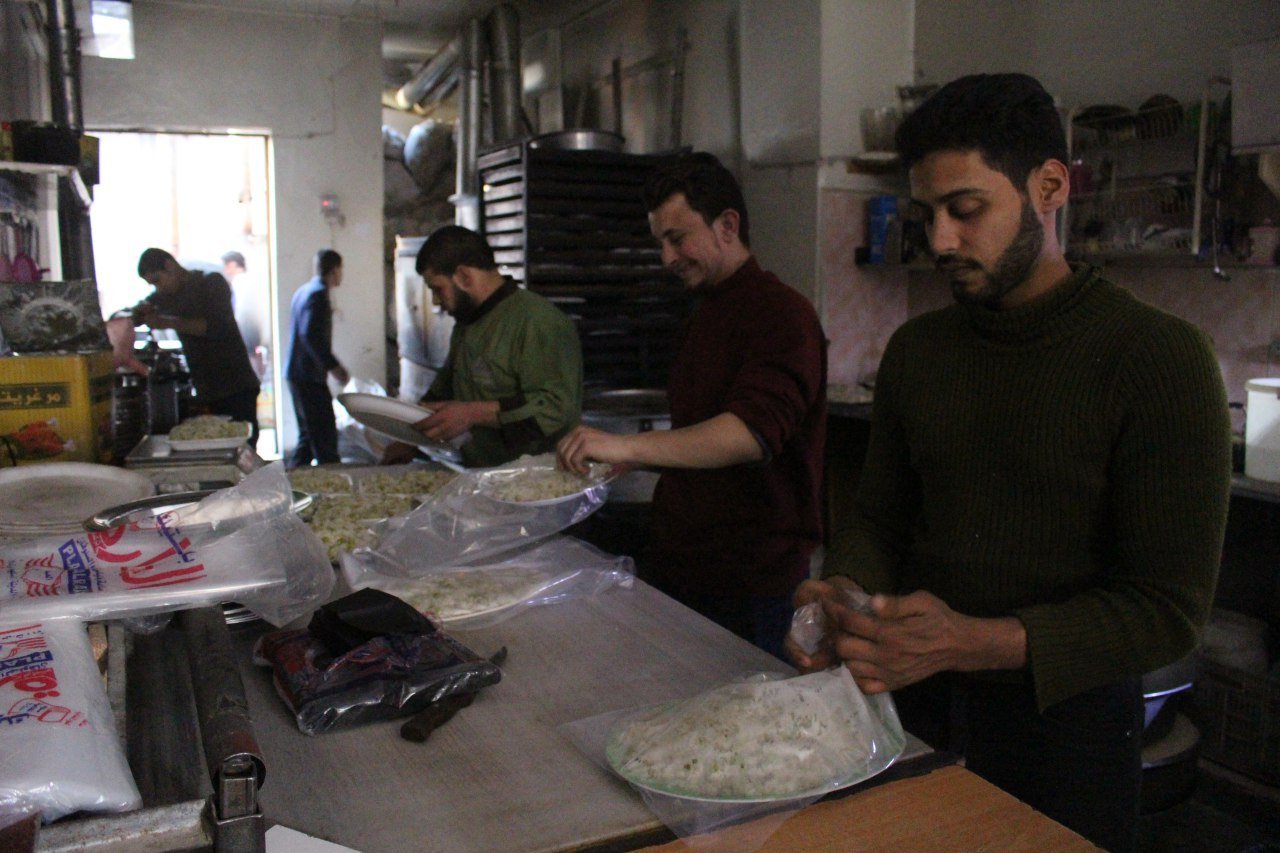
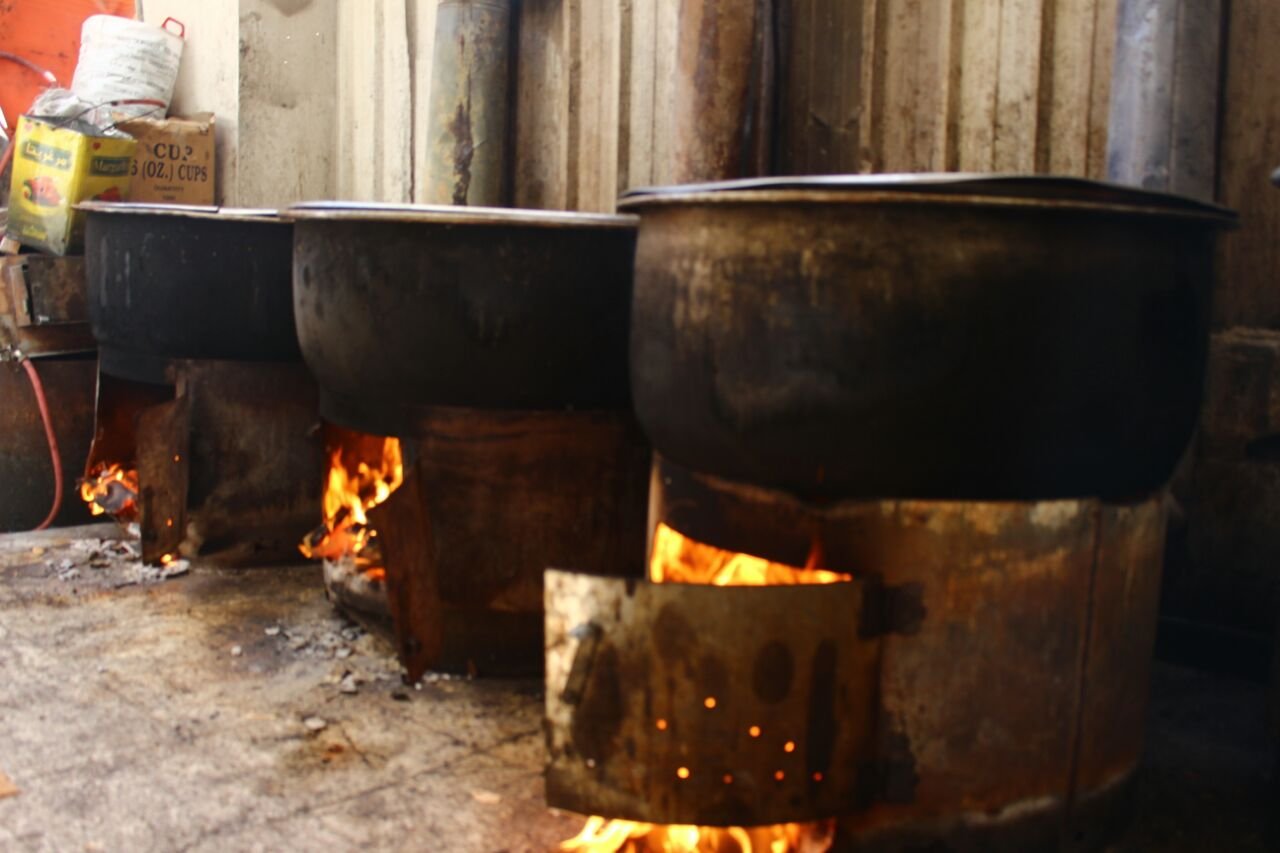
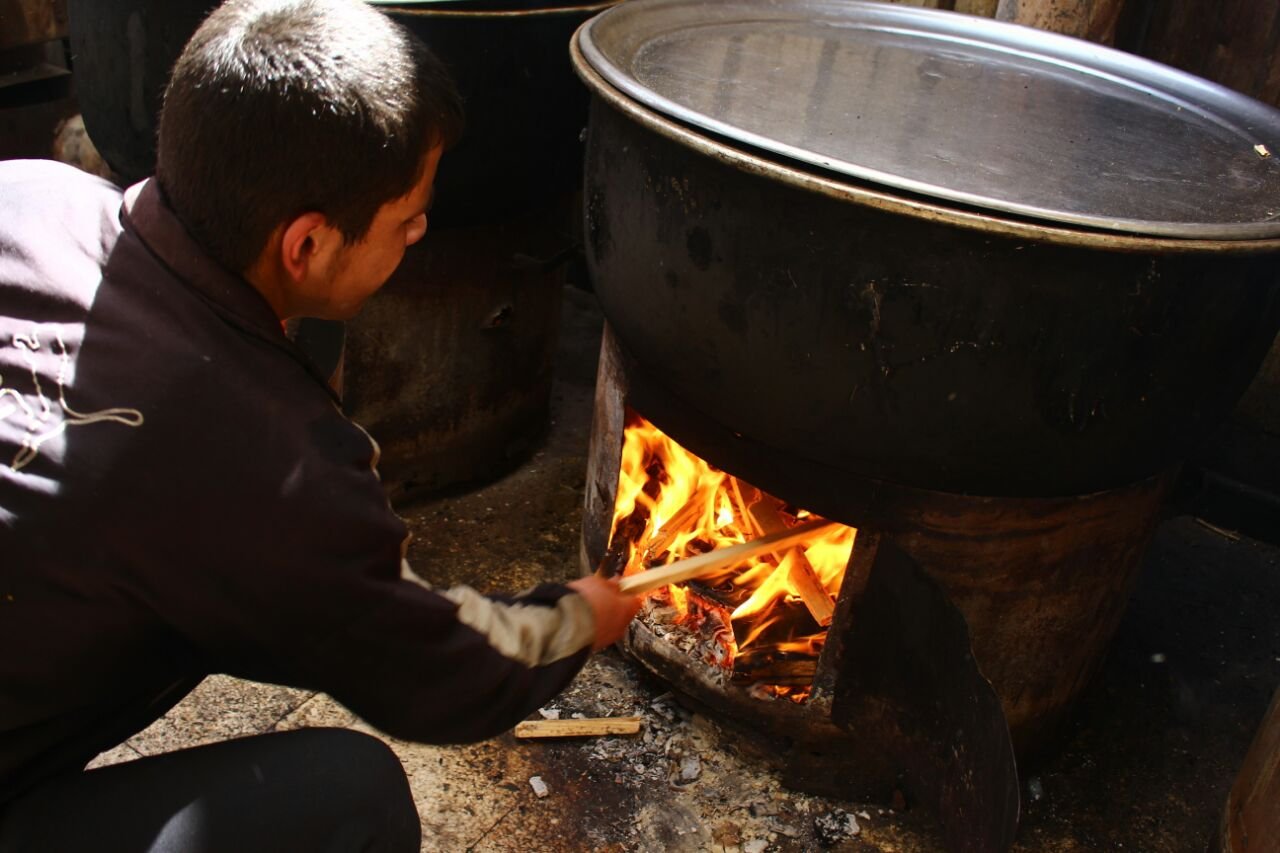
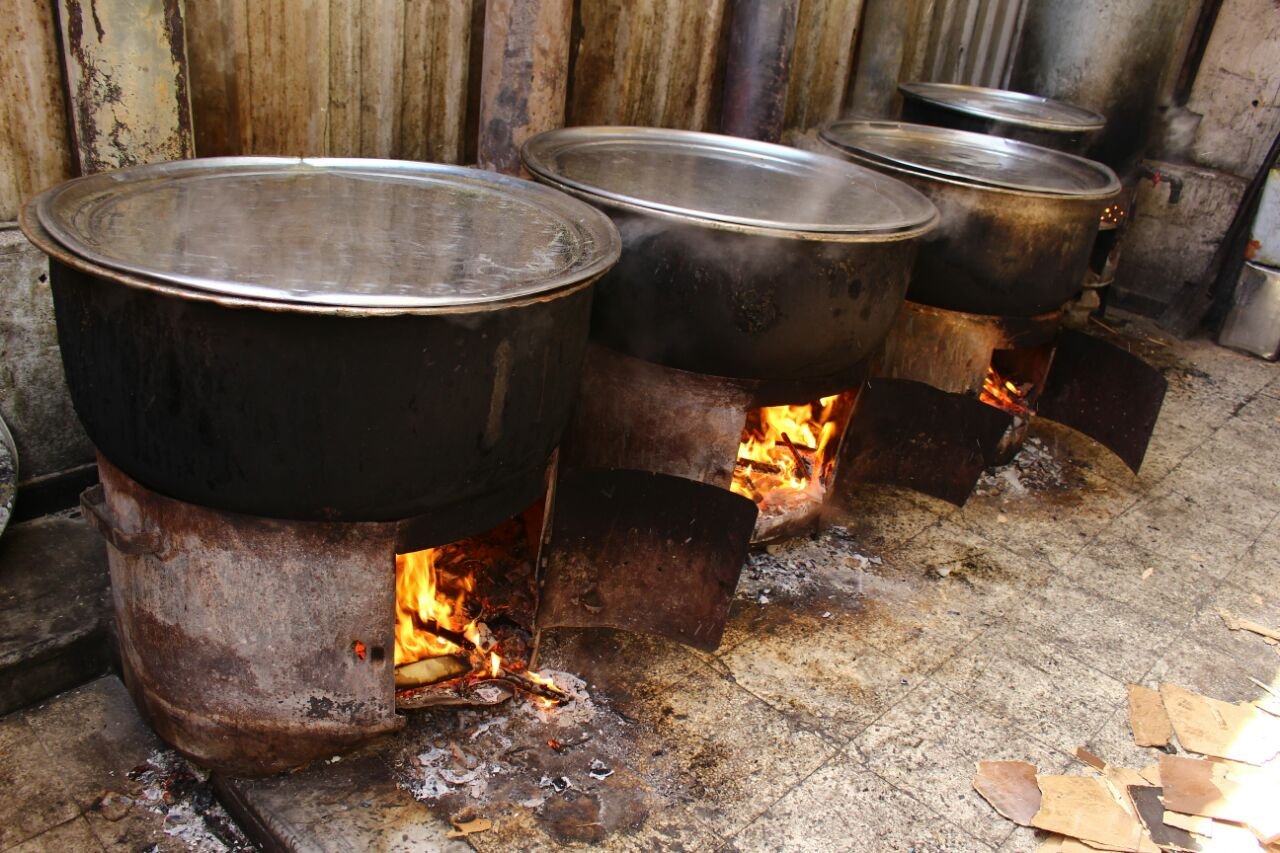
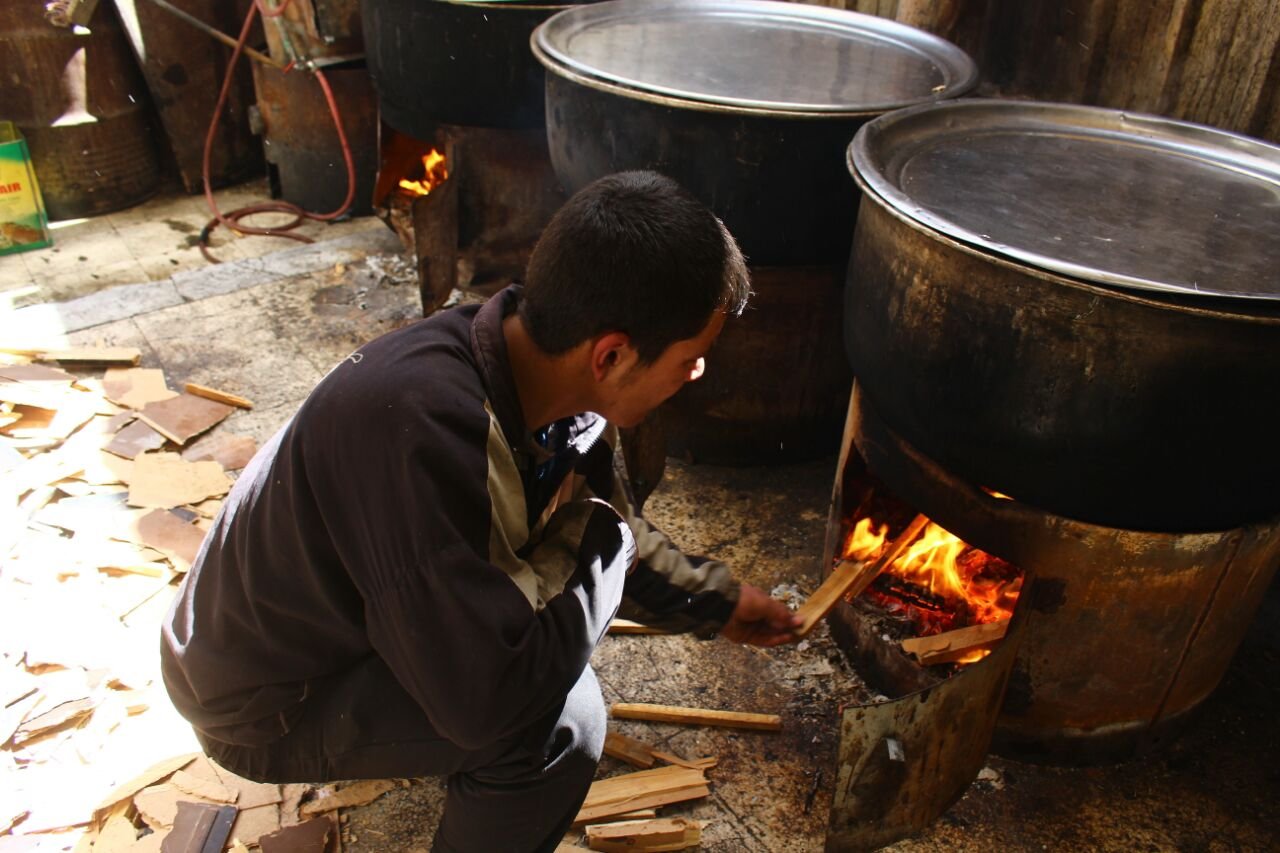
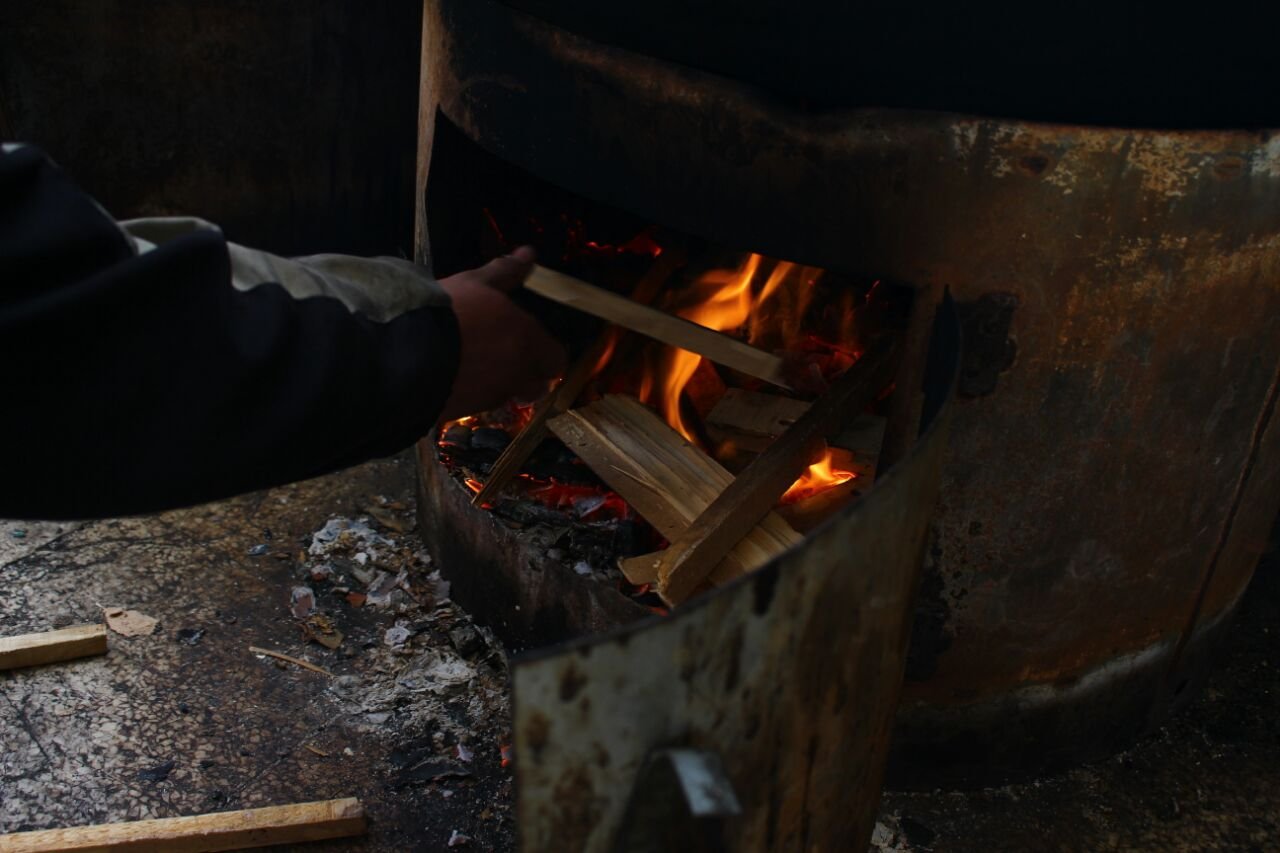
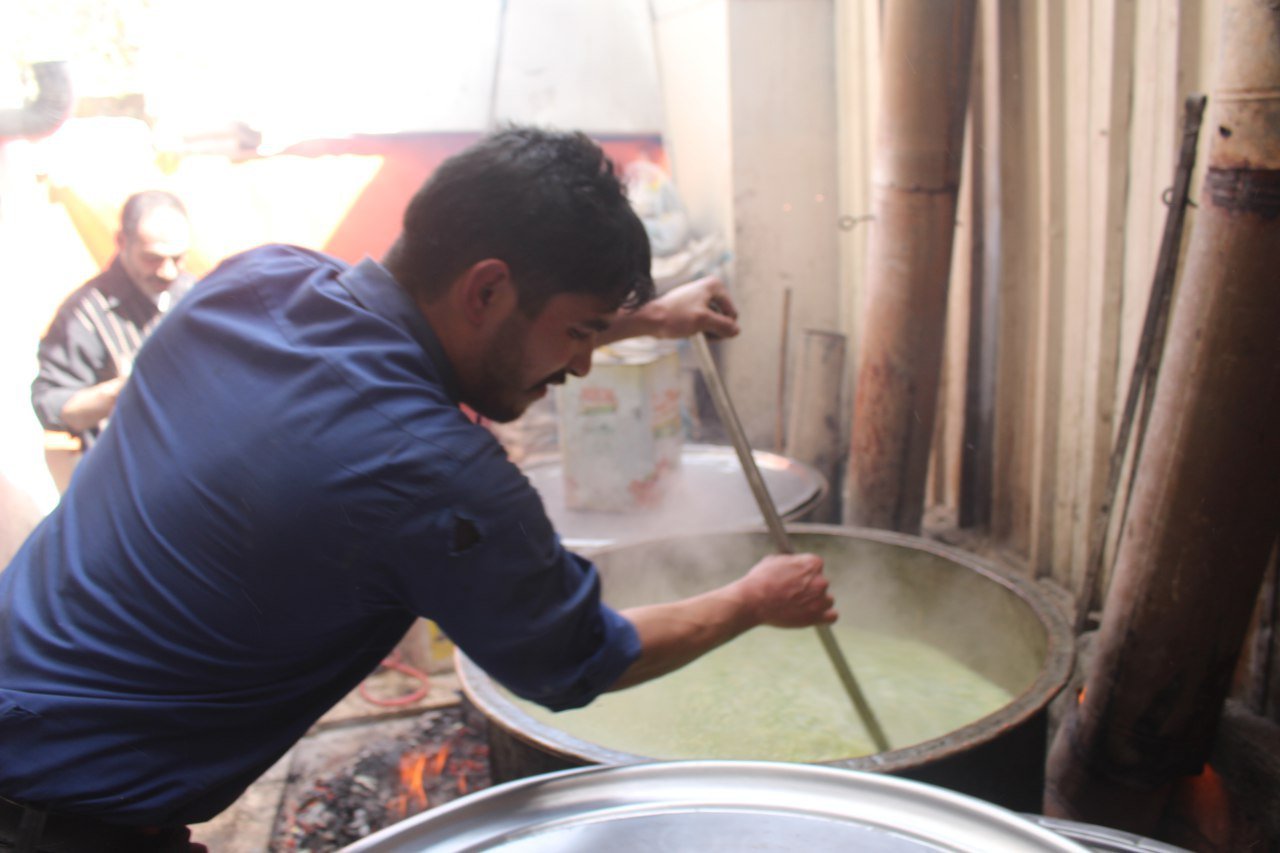
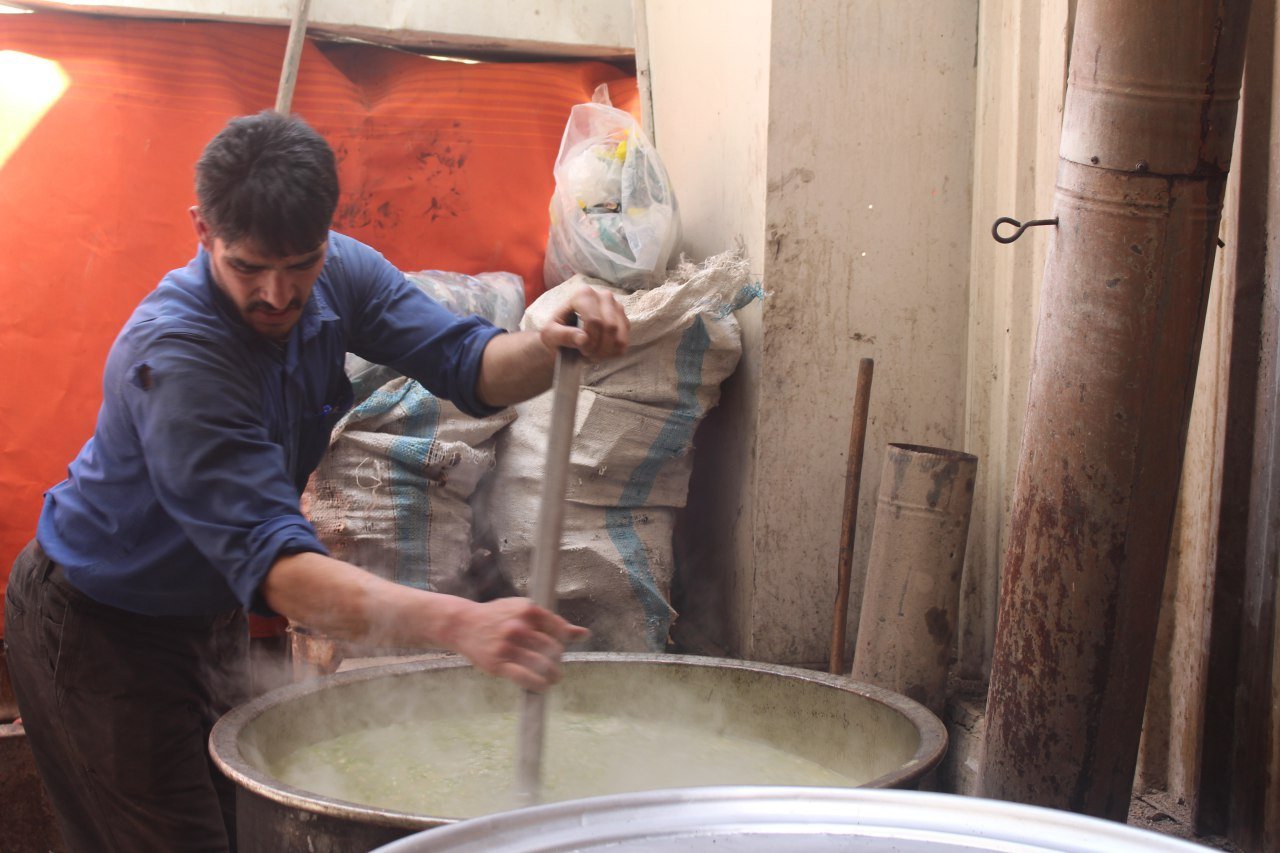
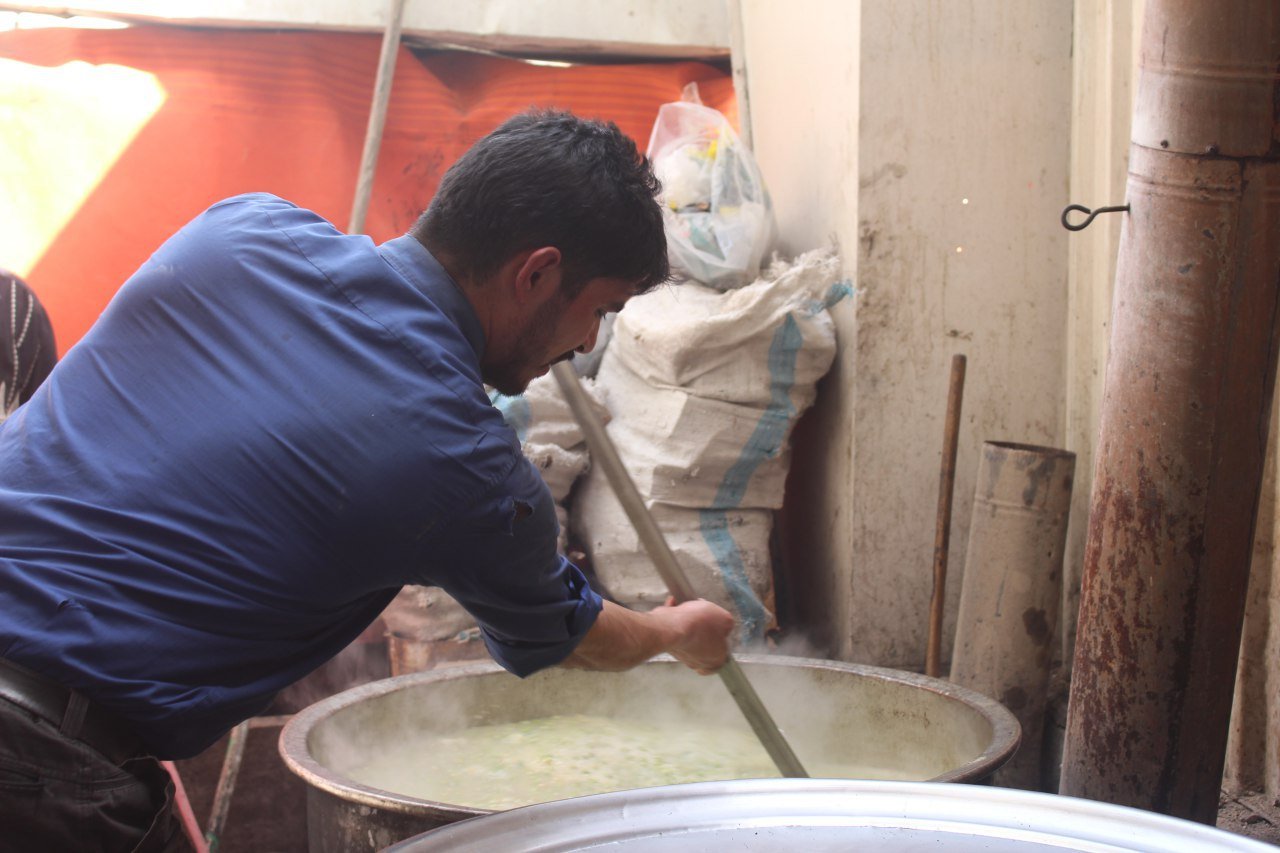
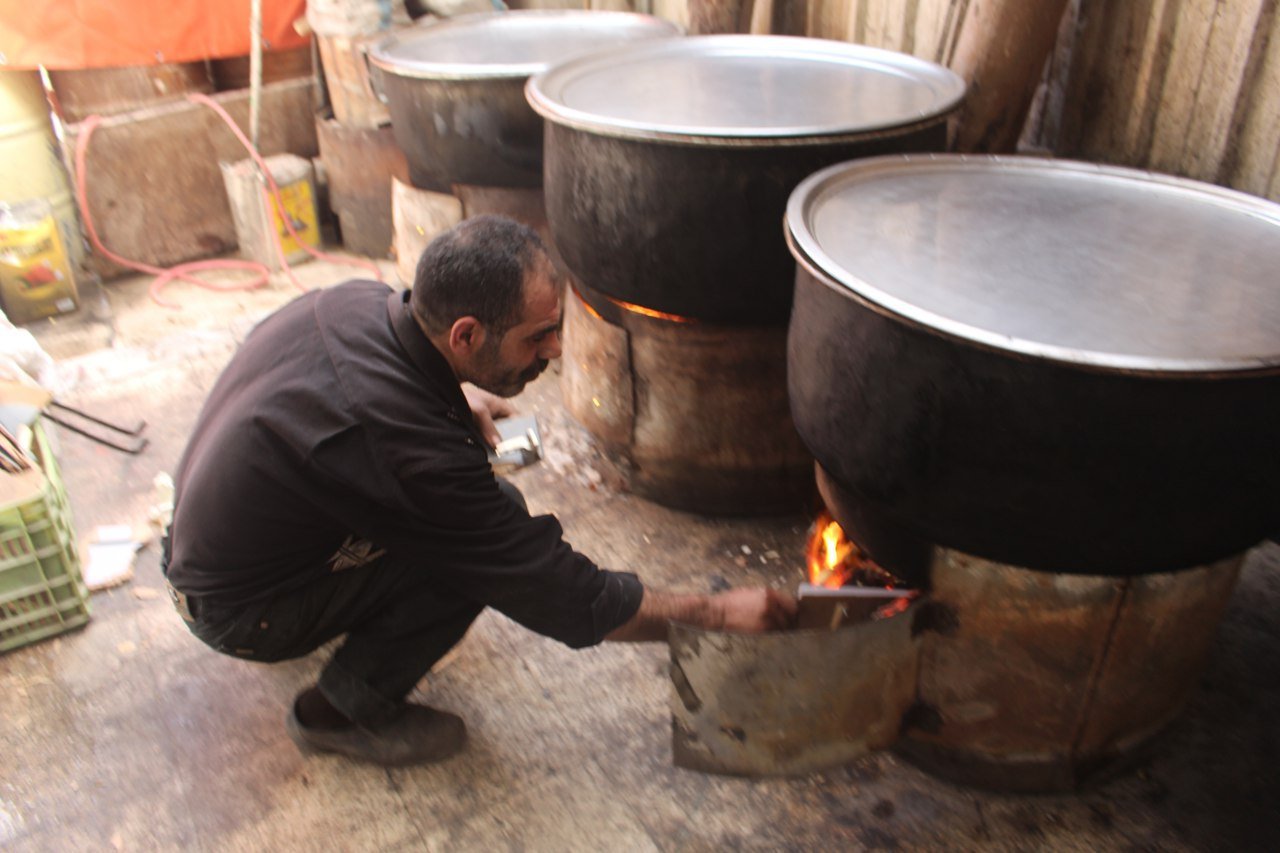
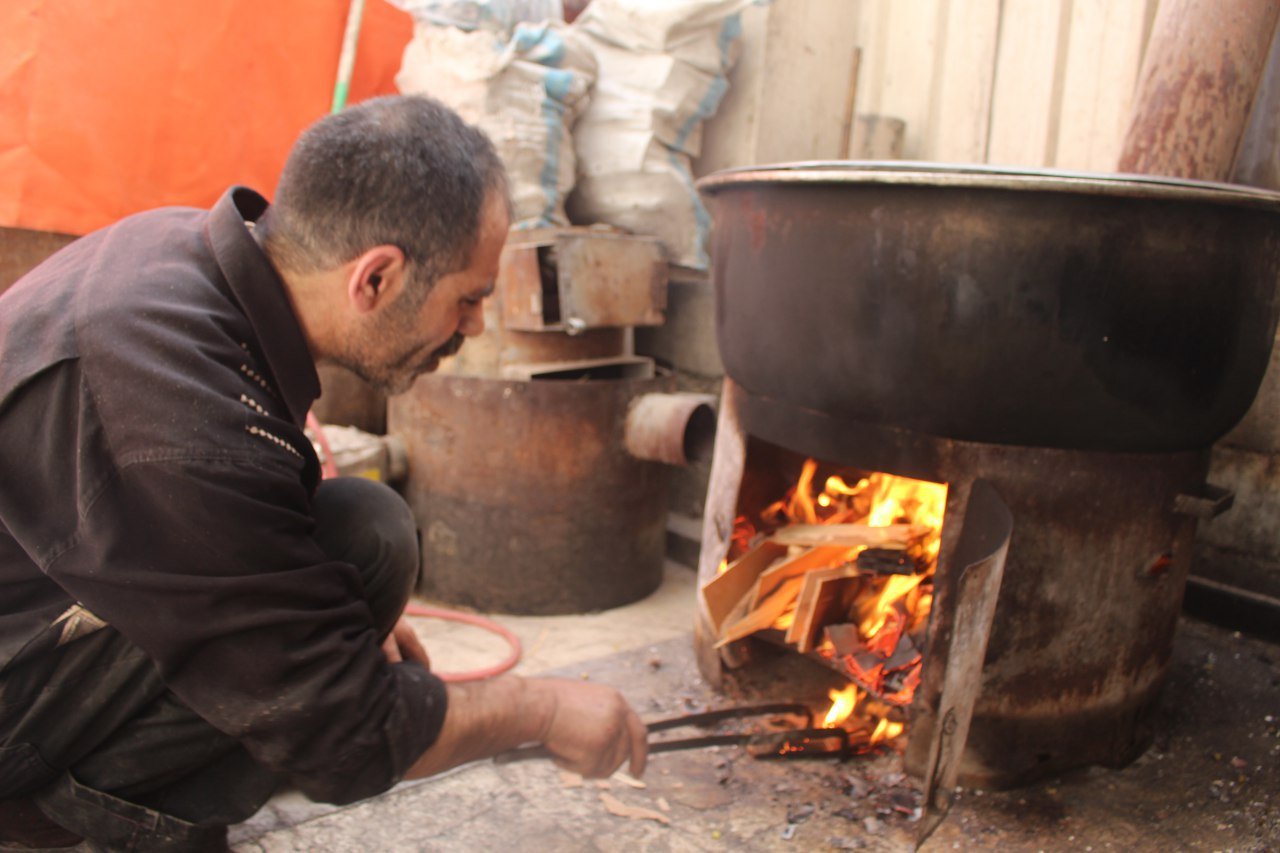
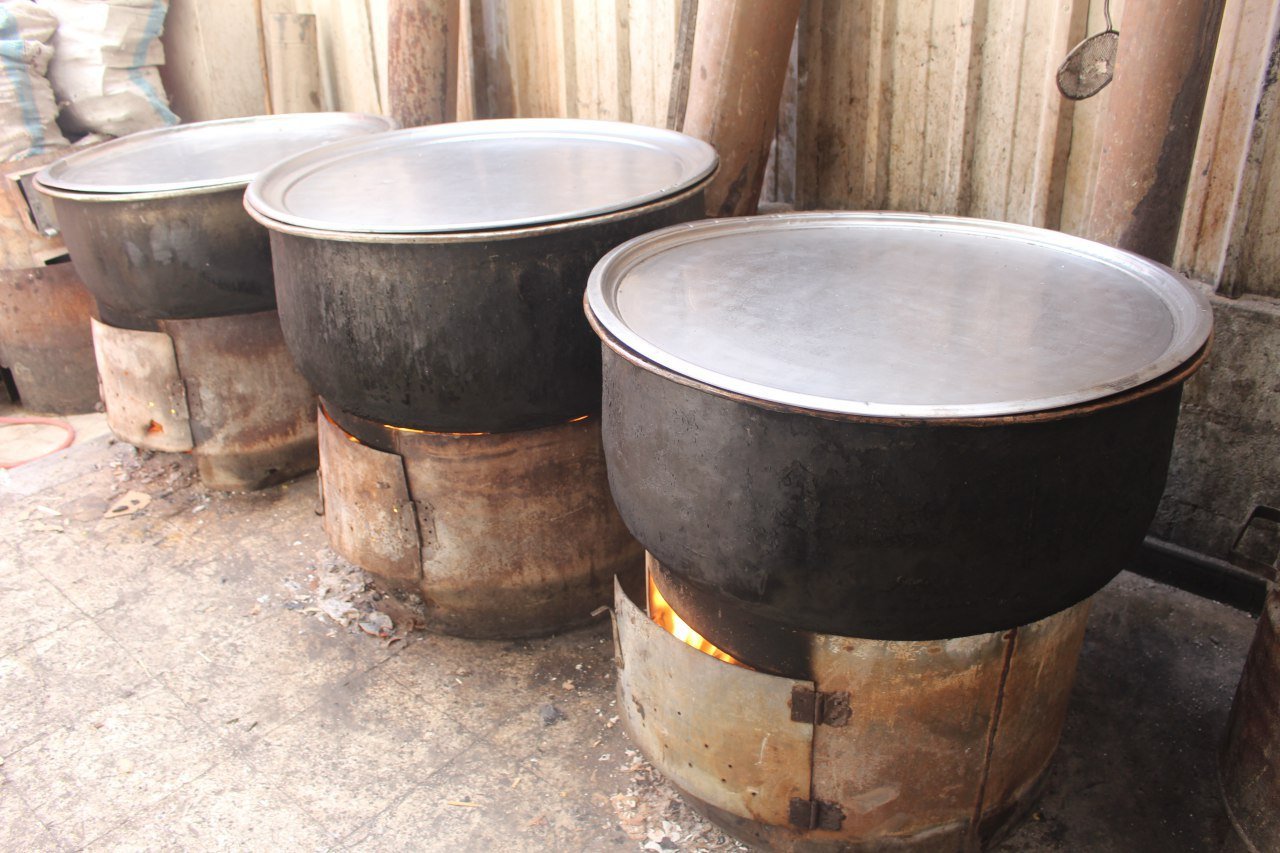
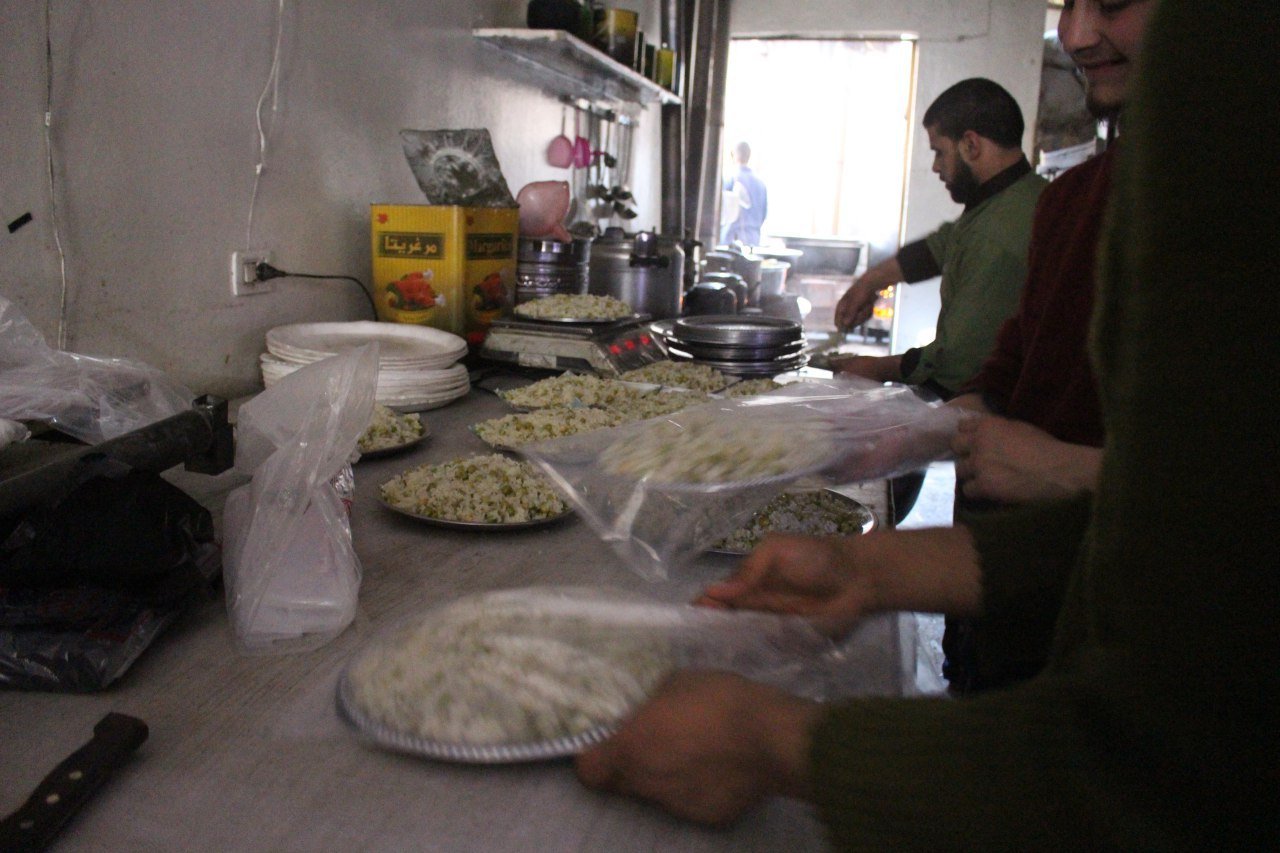
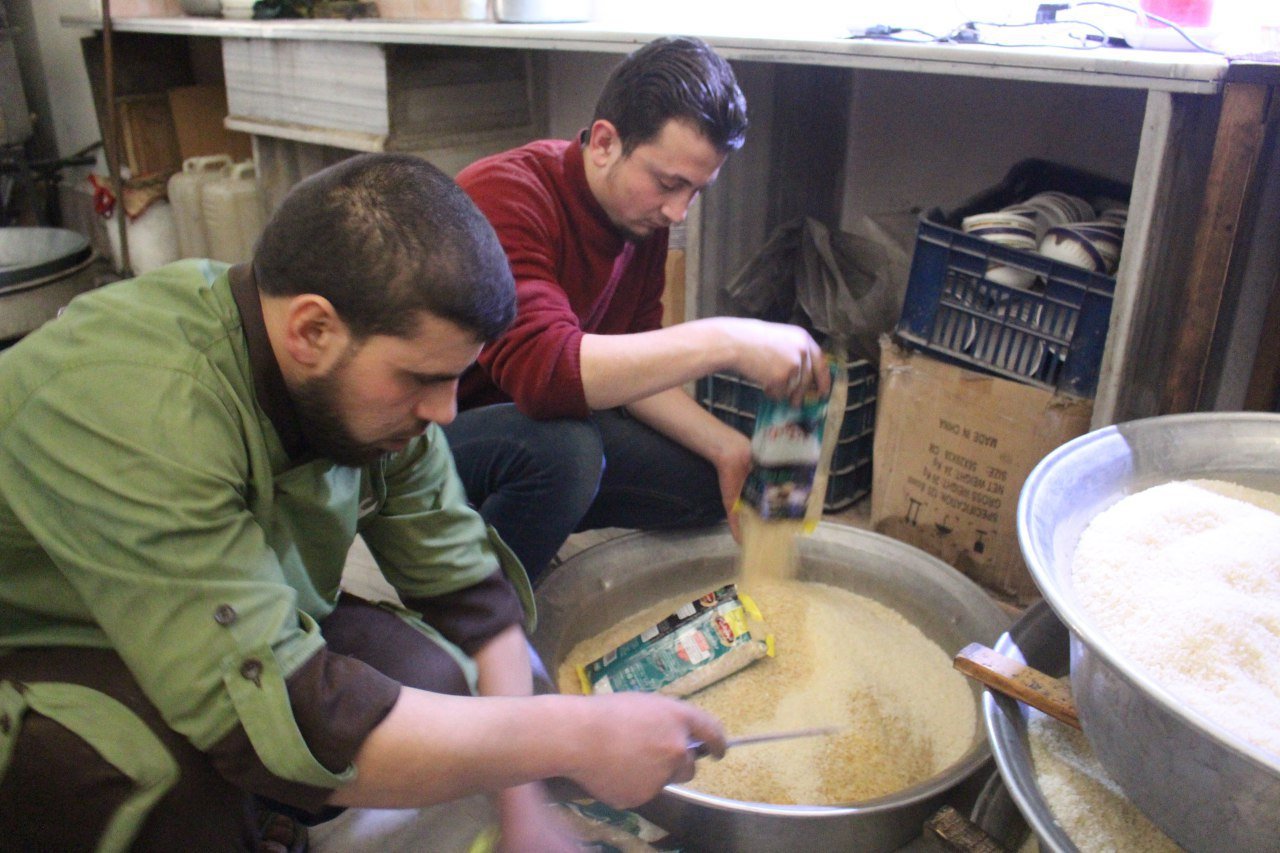
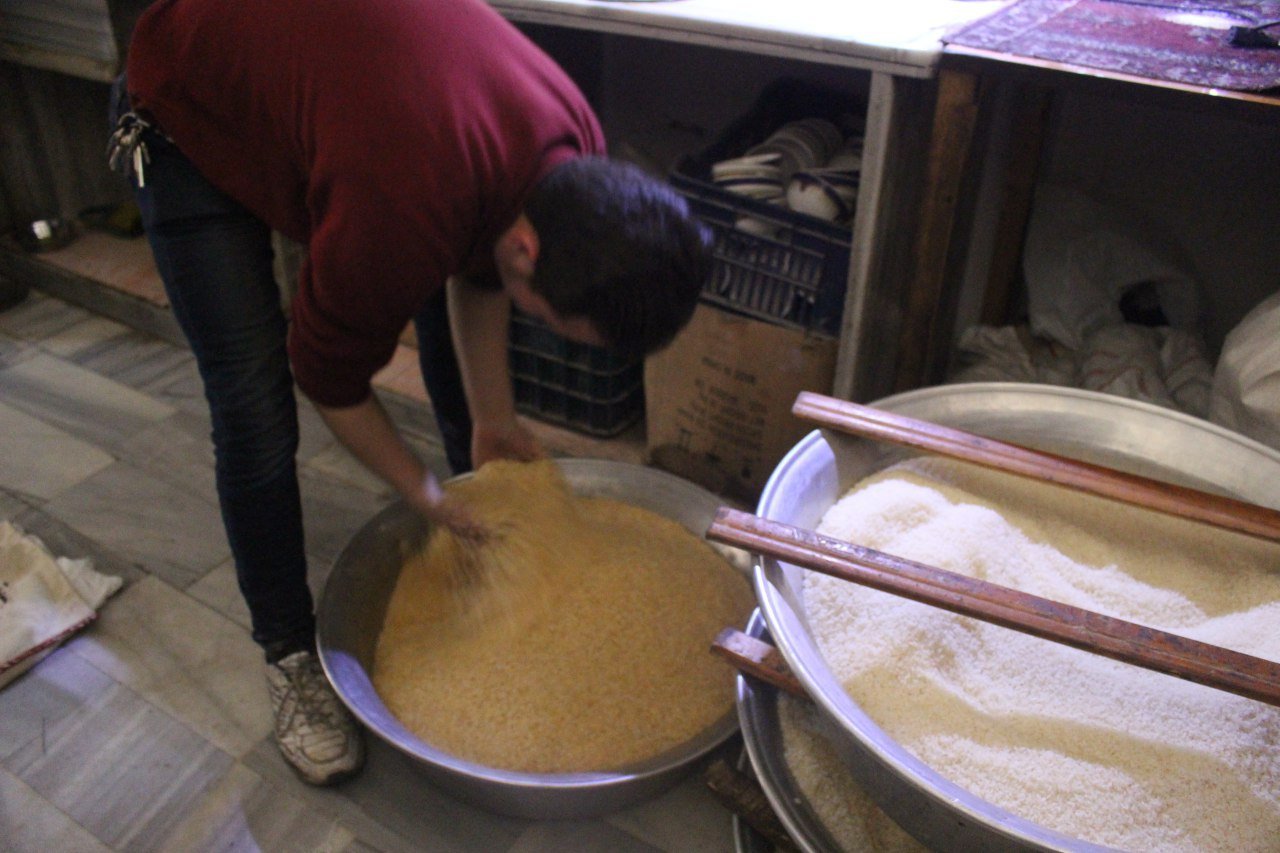
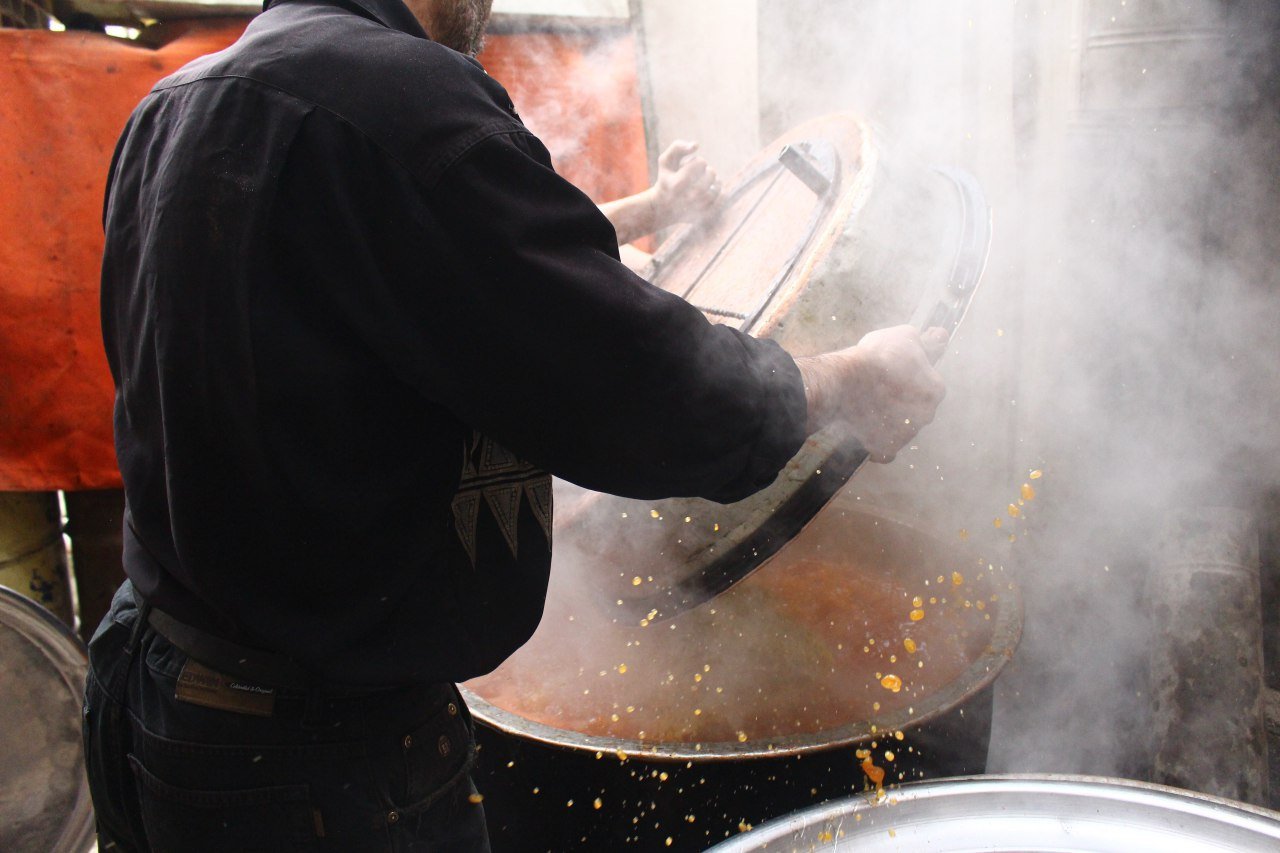
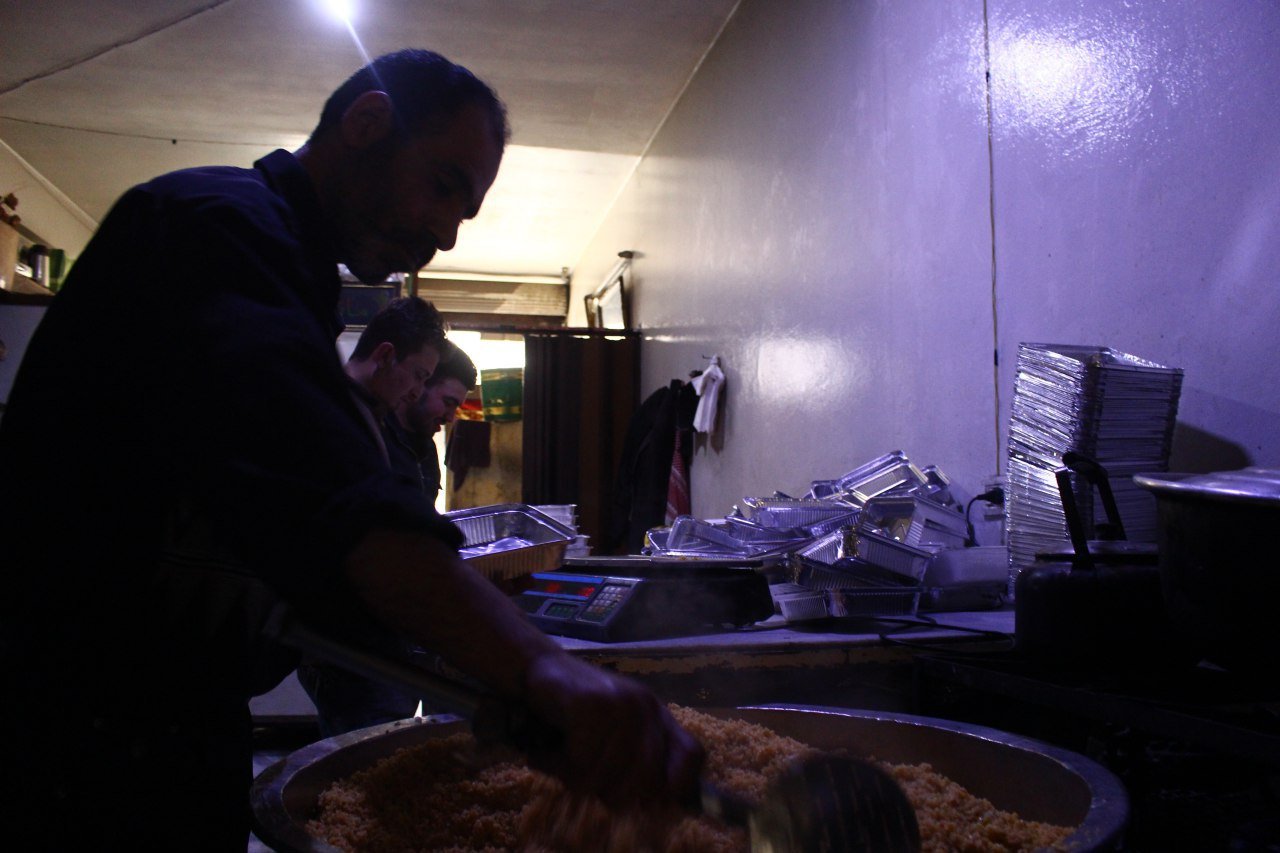
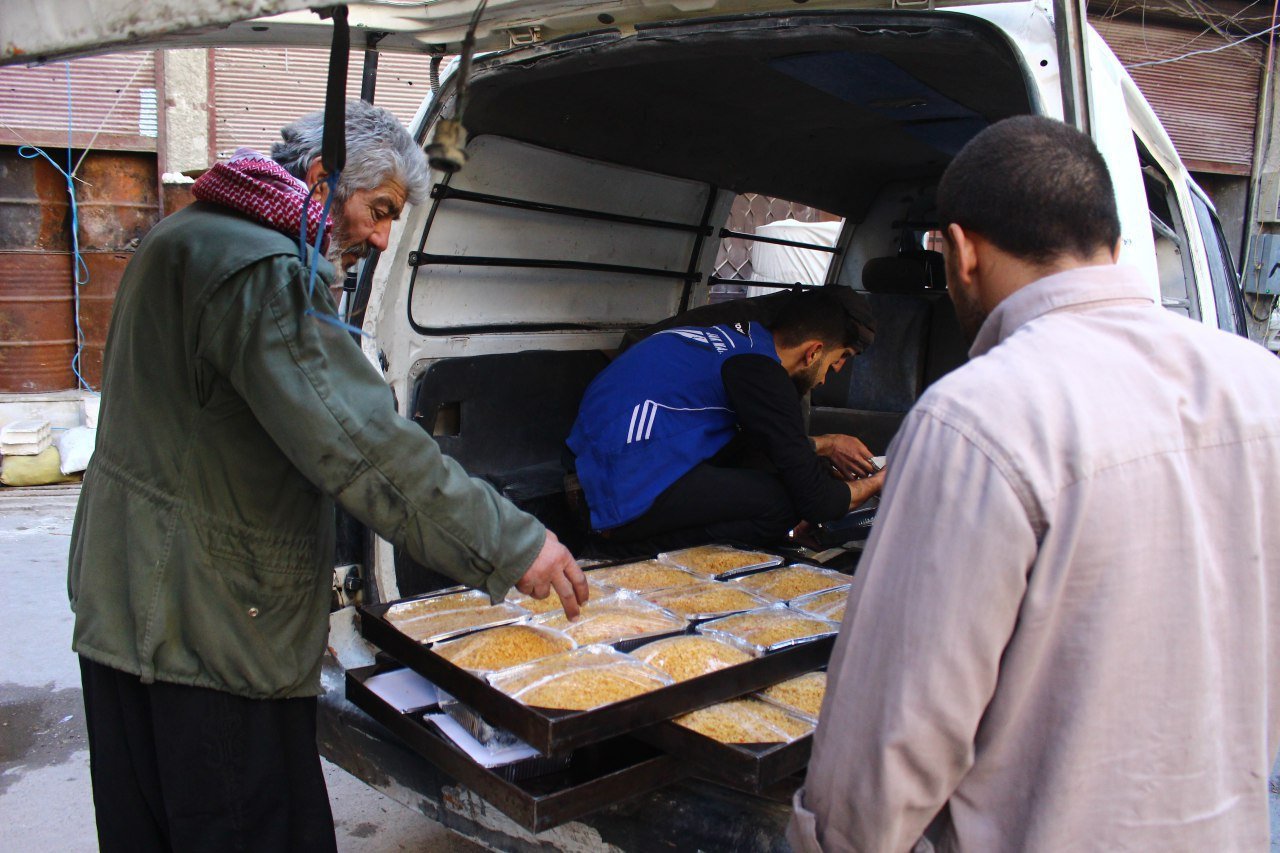
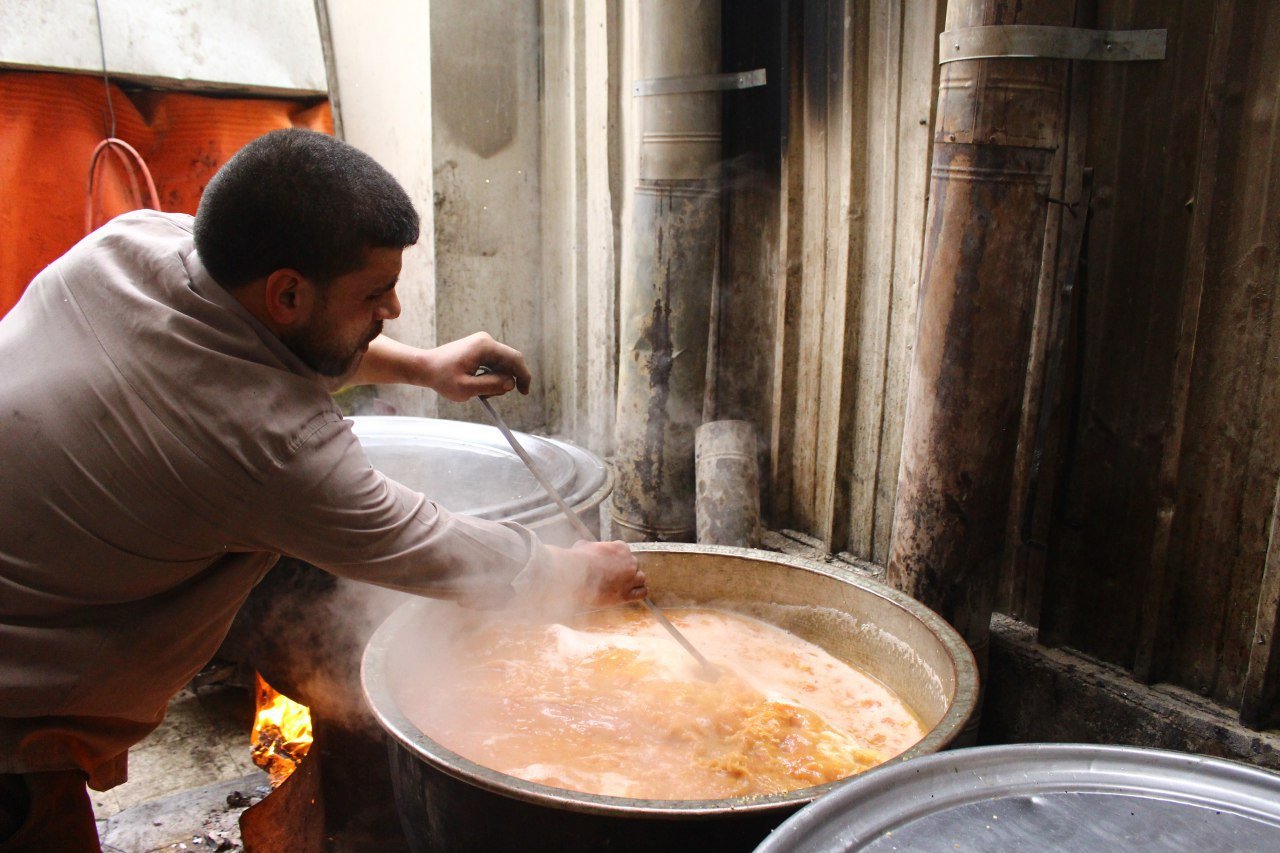
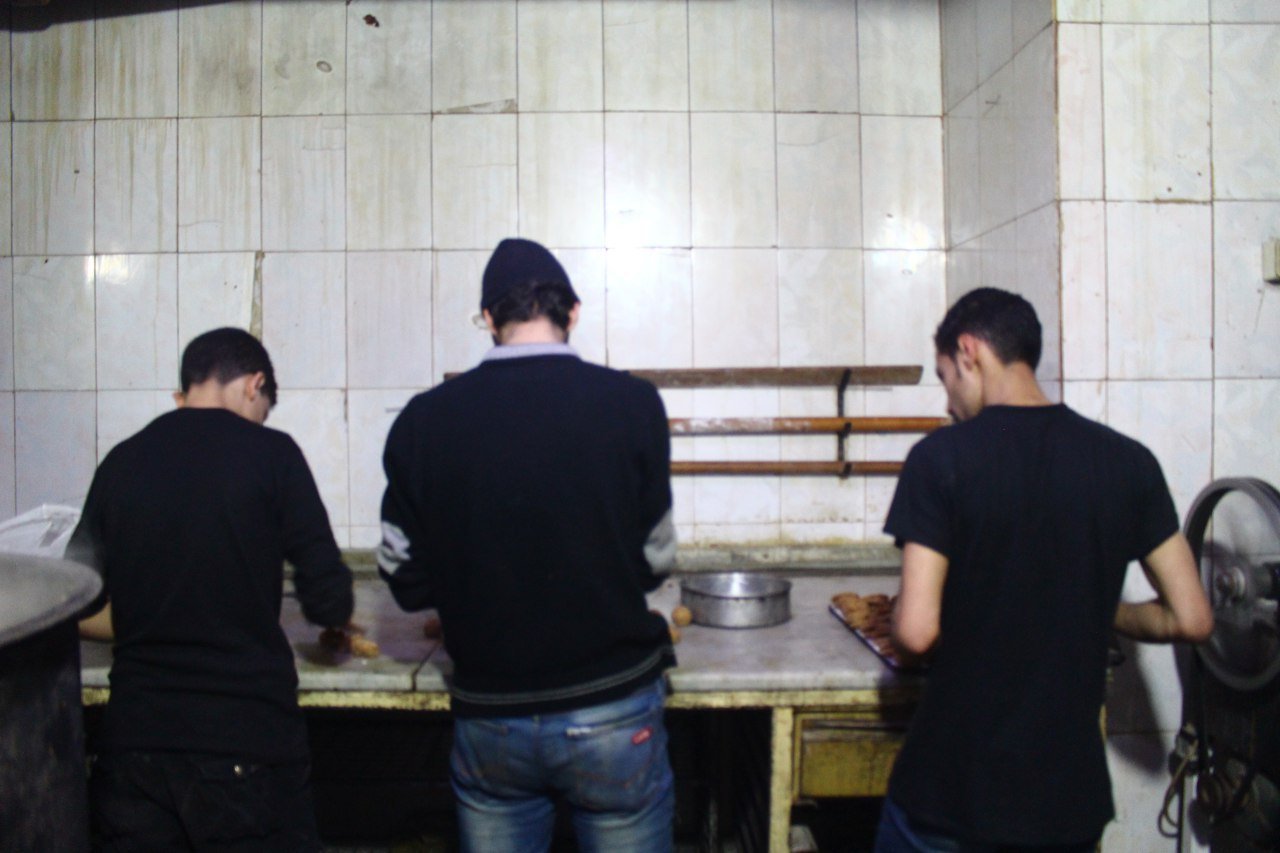
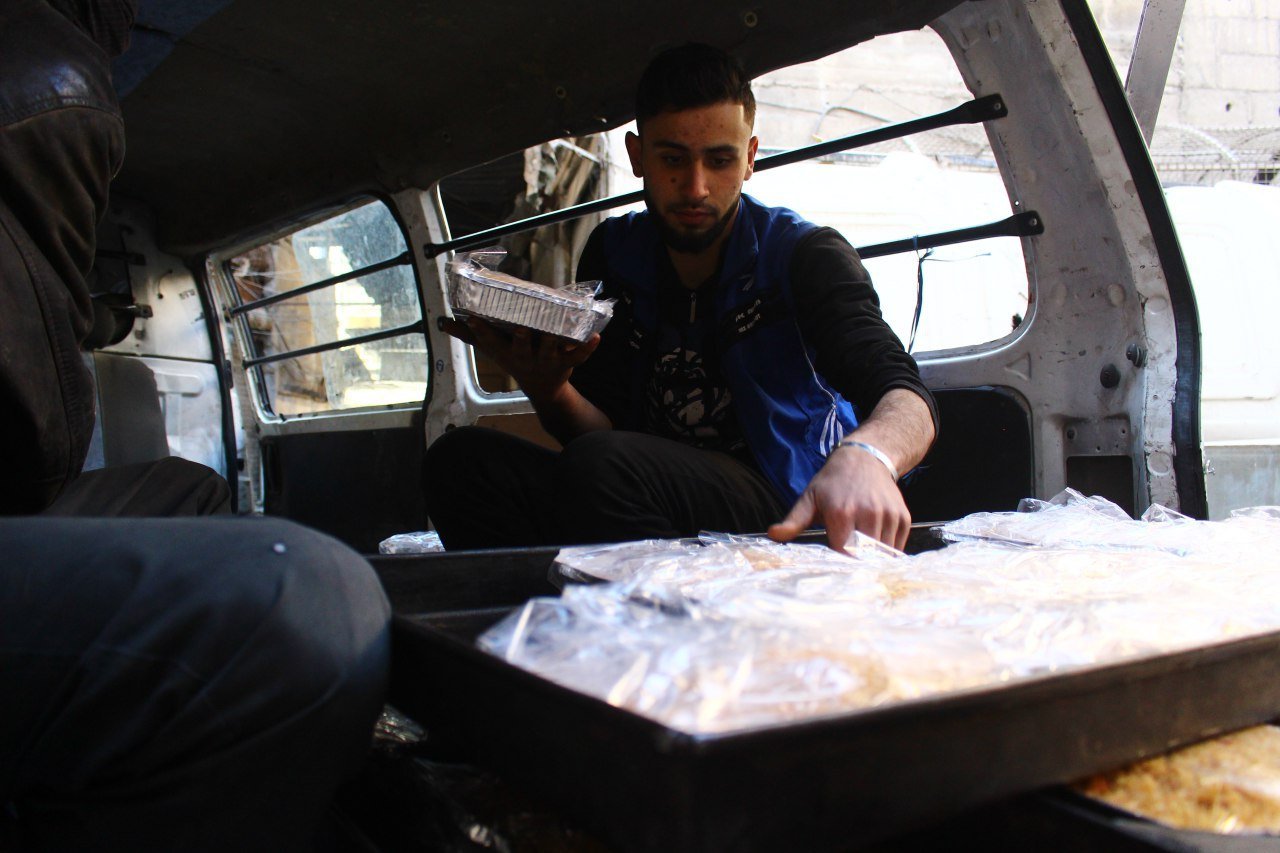
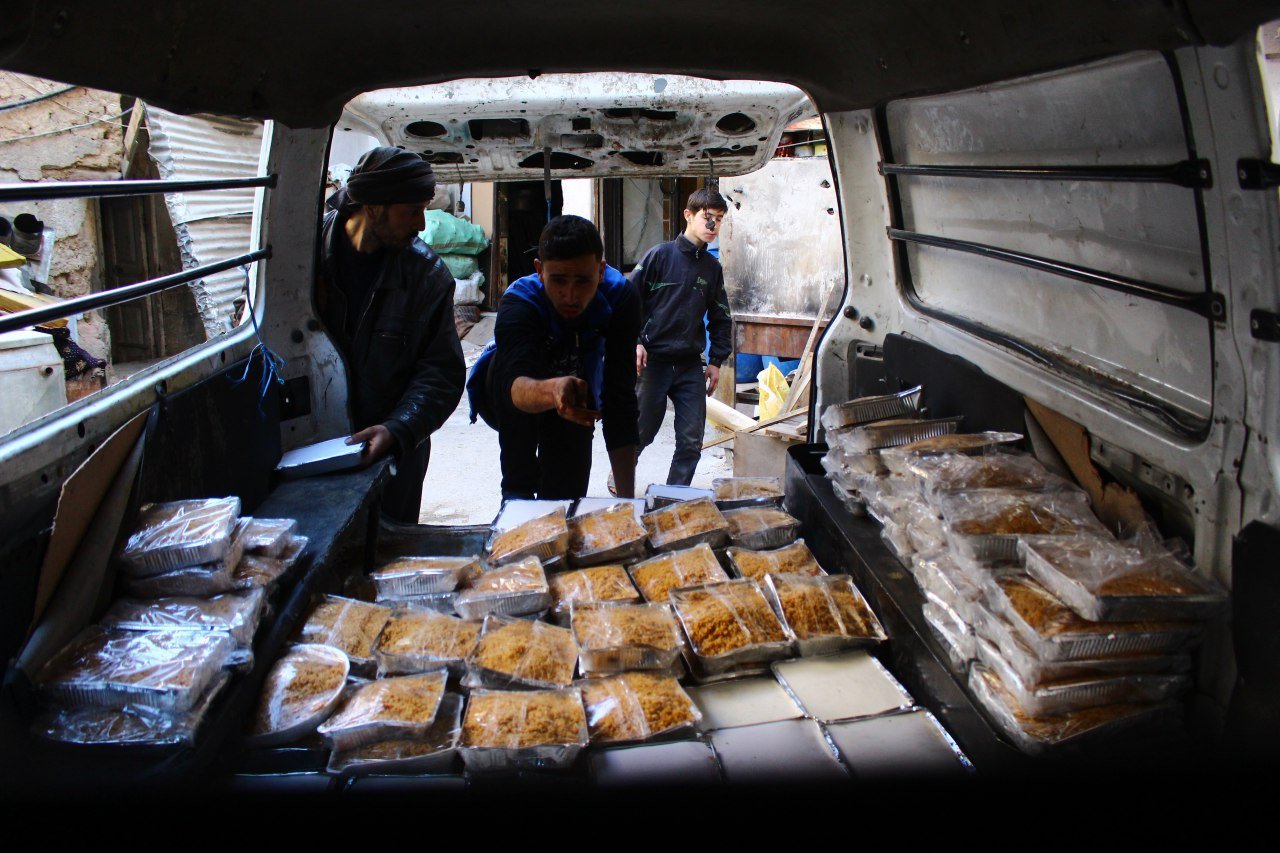
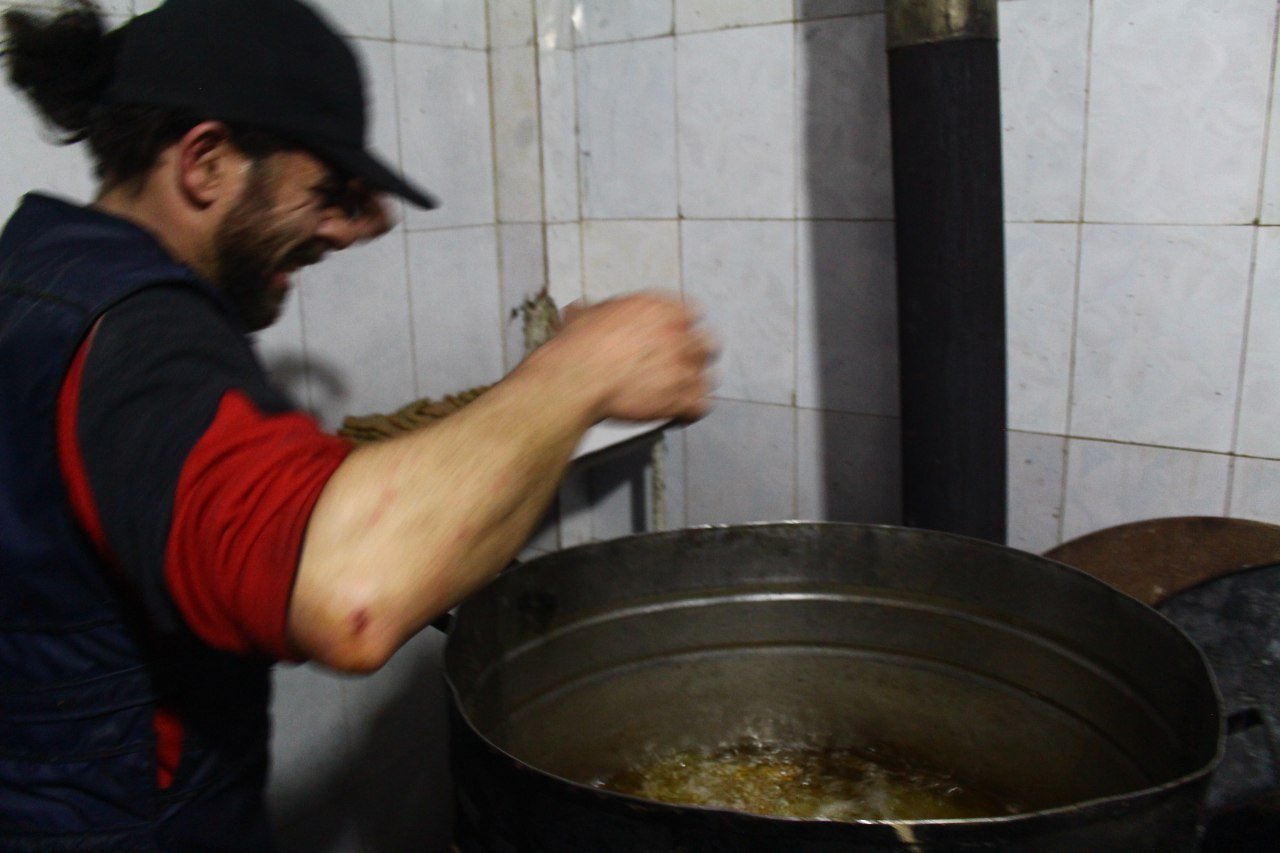
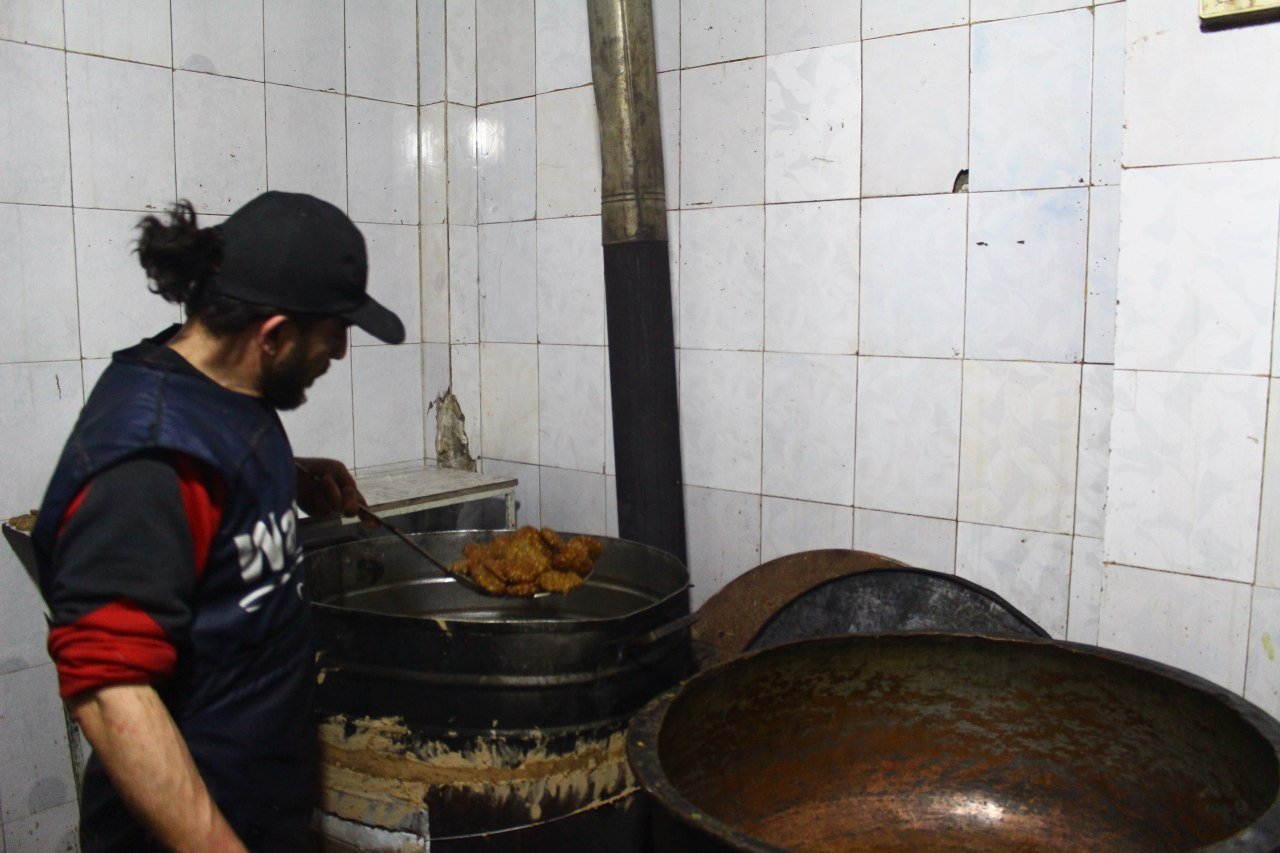
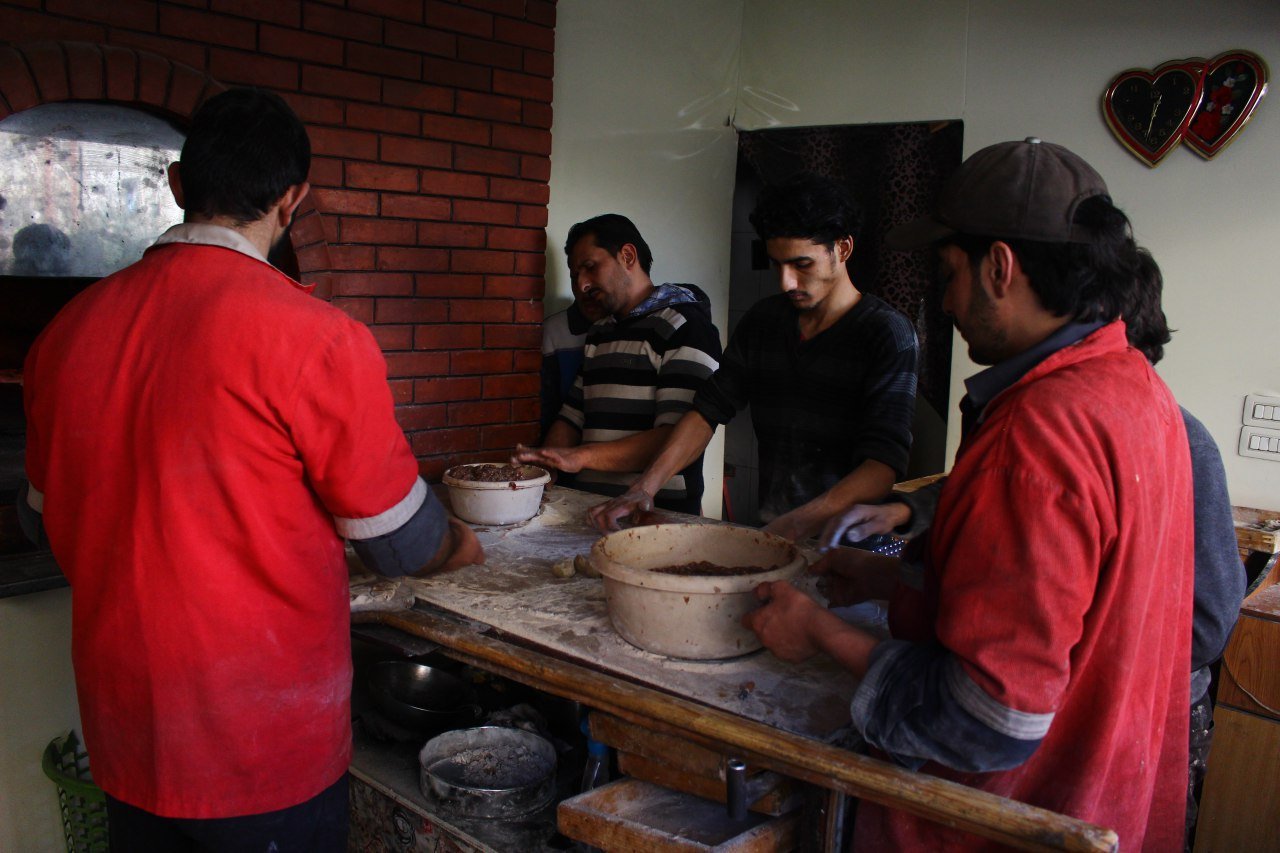
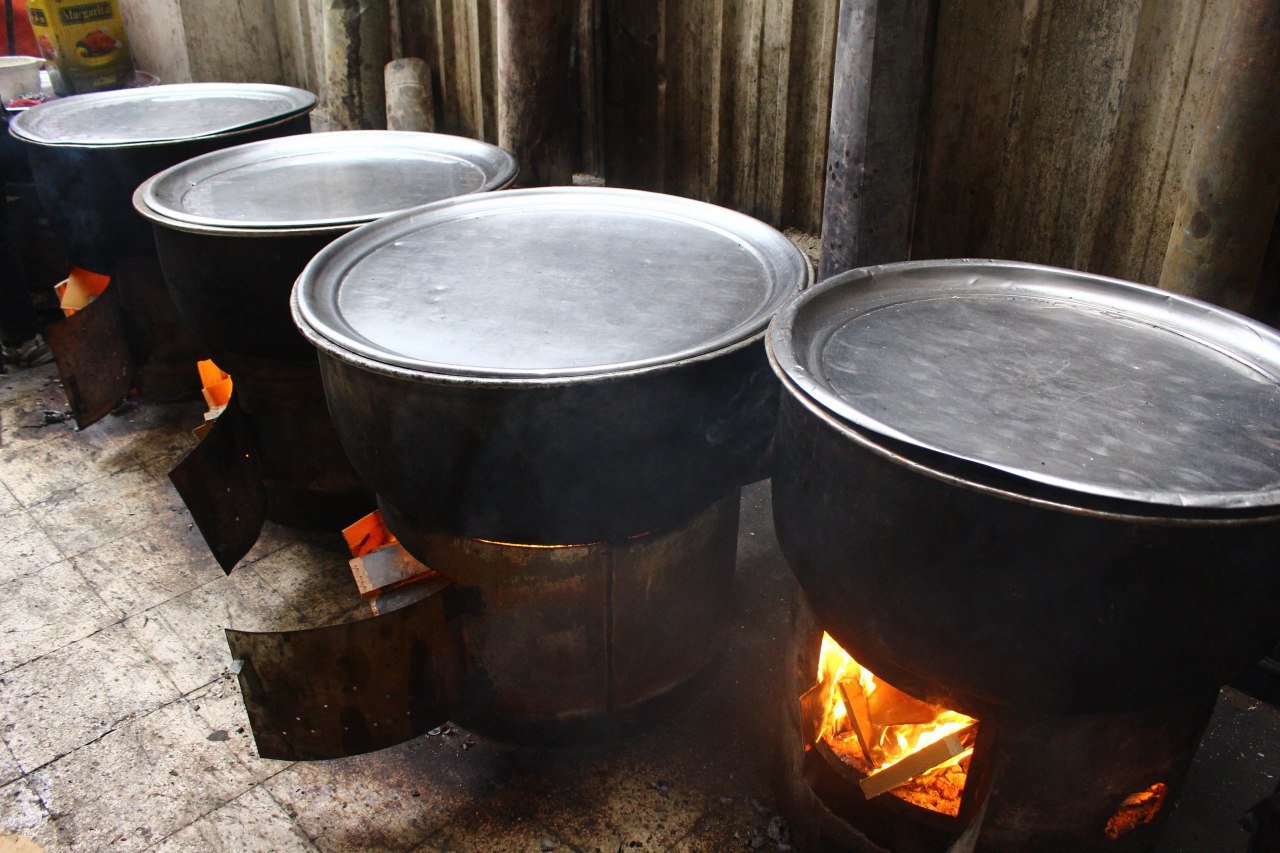
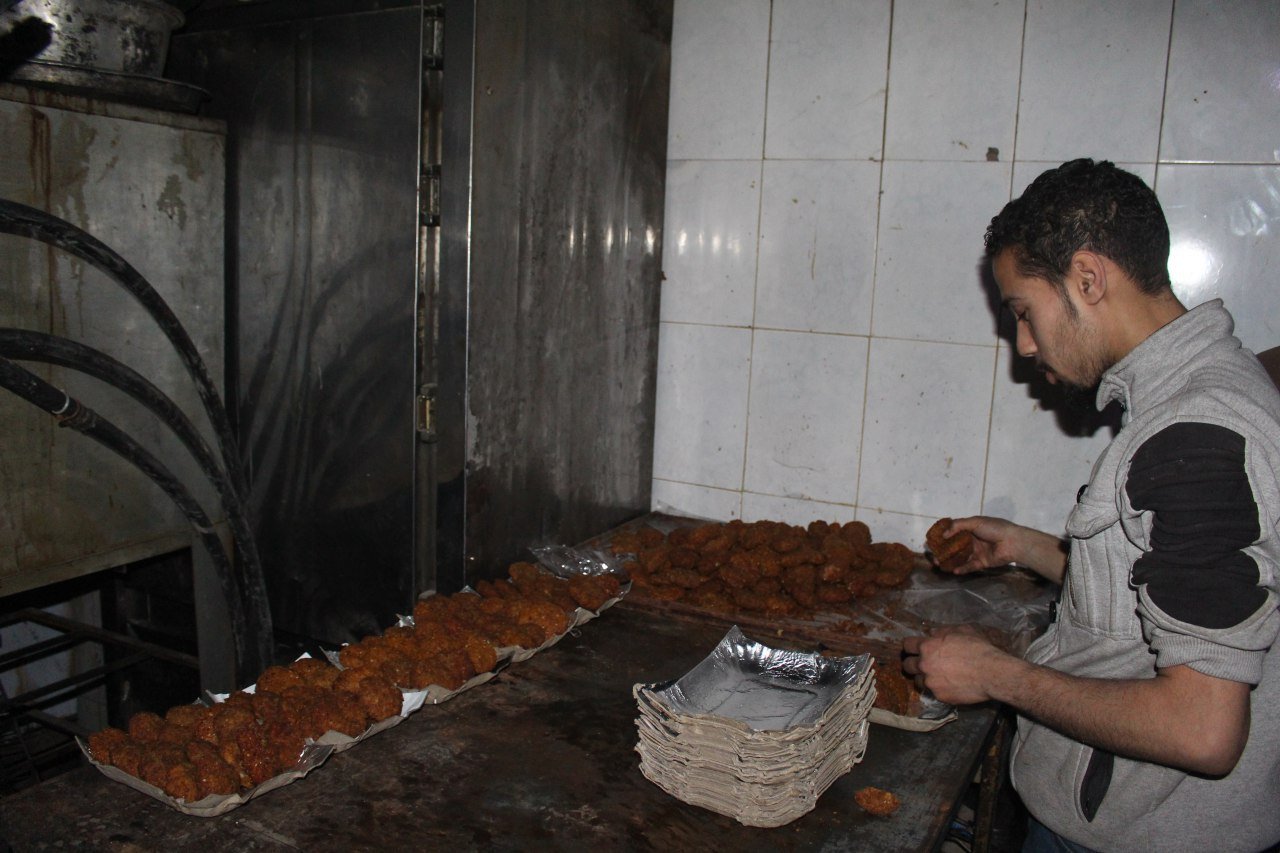
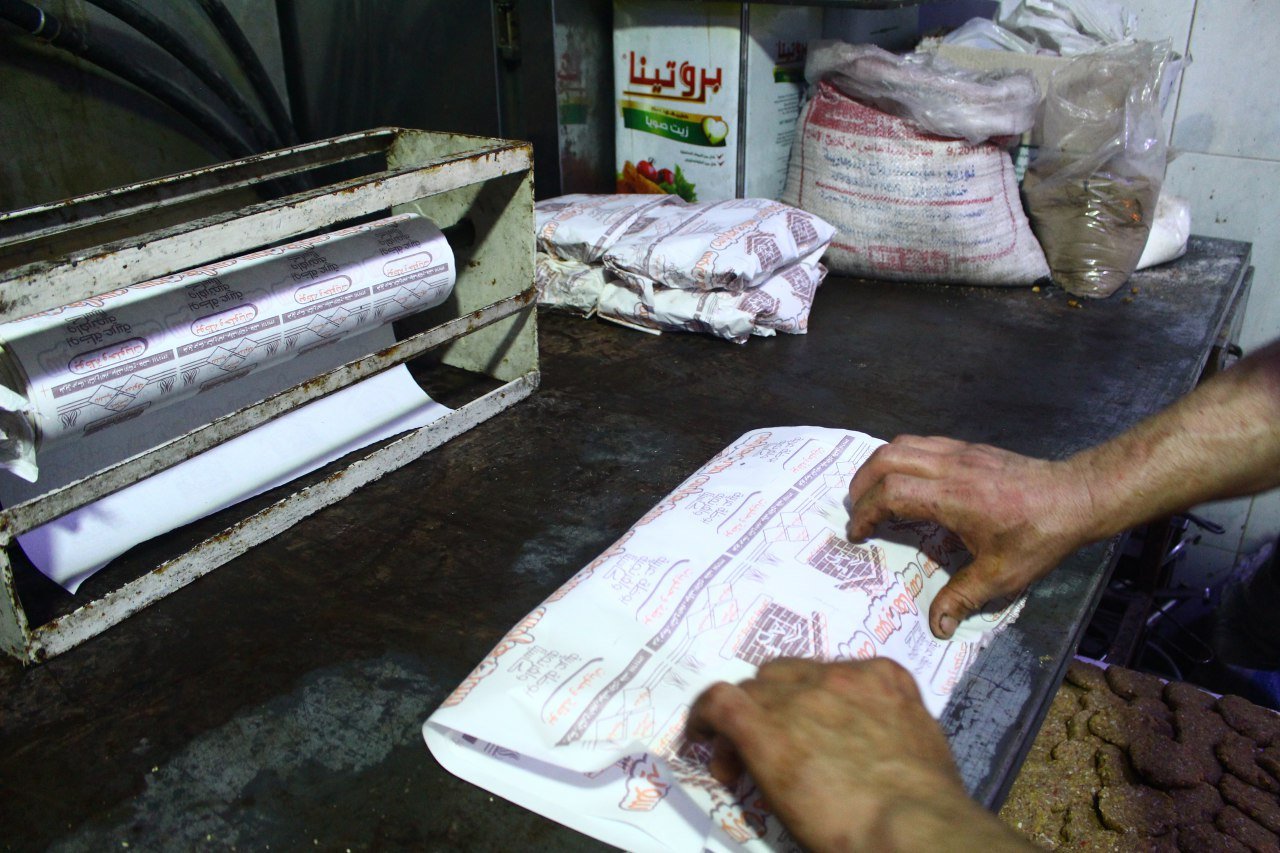
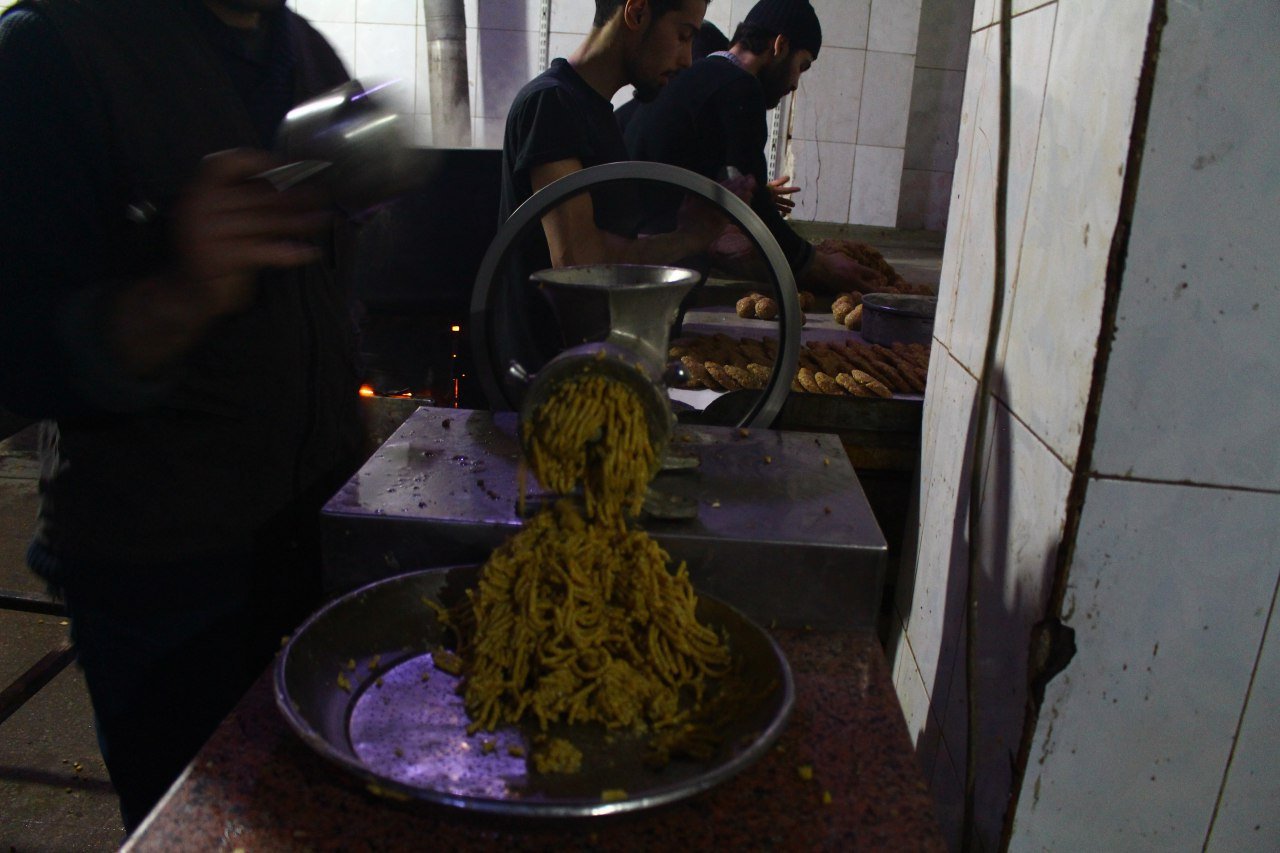
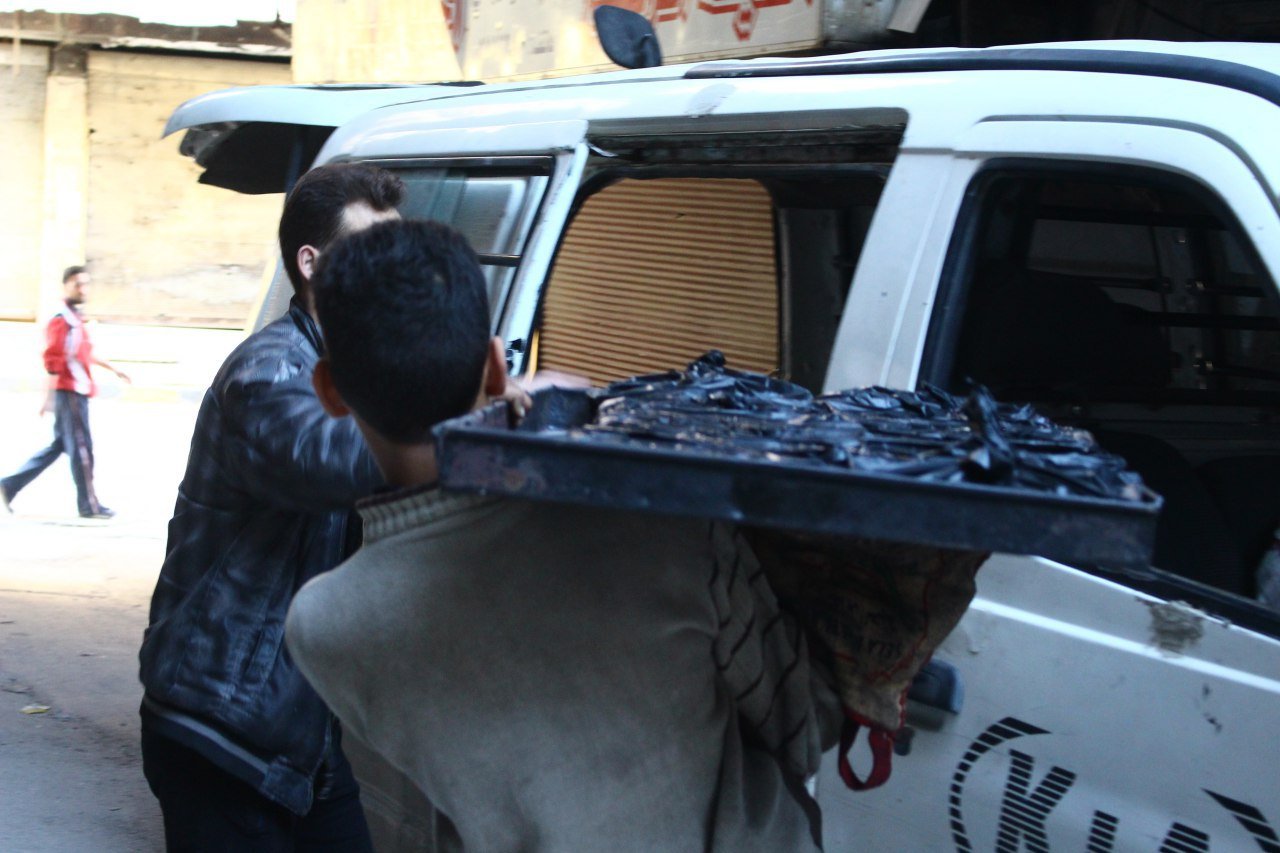
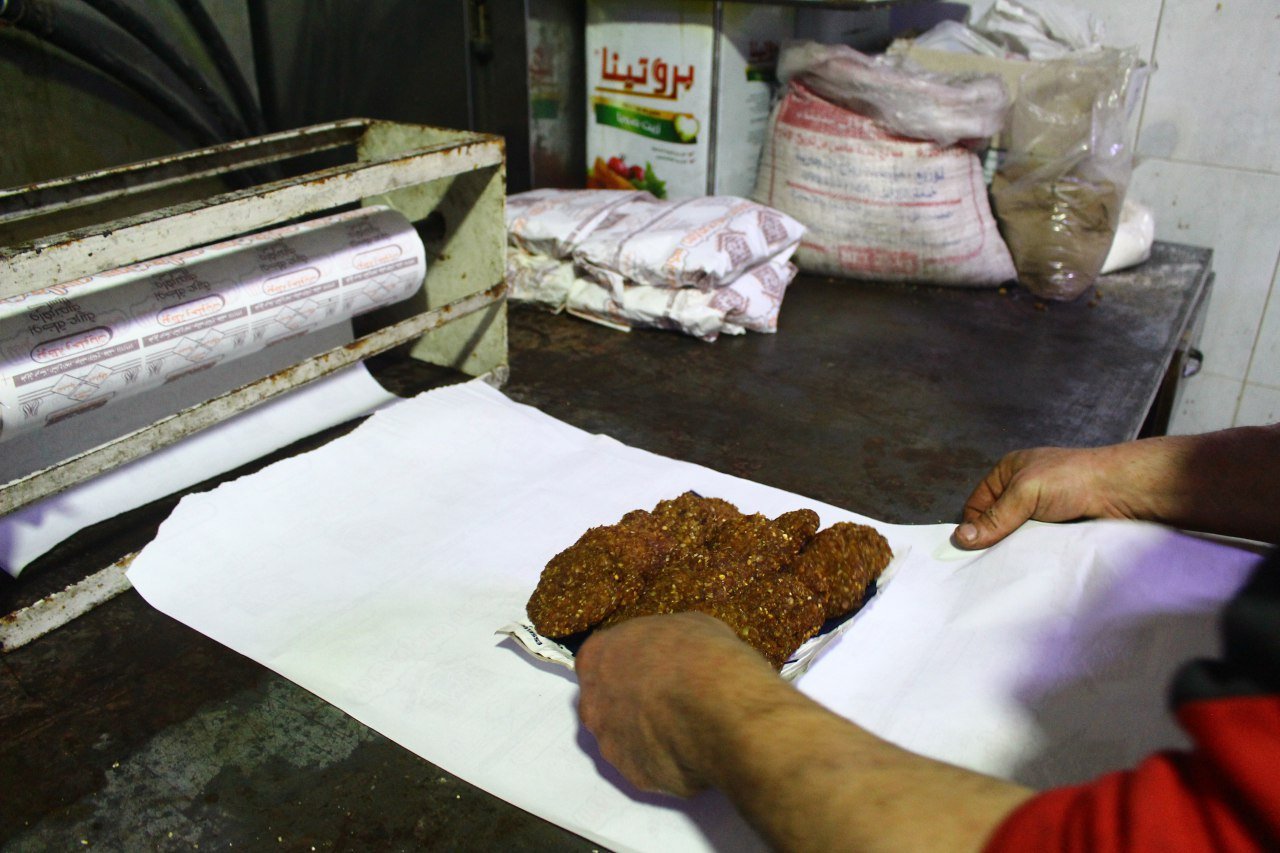
• Ready meals for displaced people in shelters and basements
The project targeted 5,486 families.
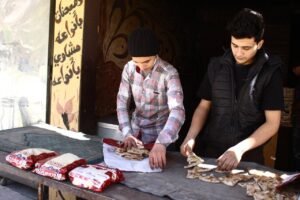
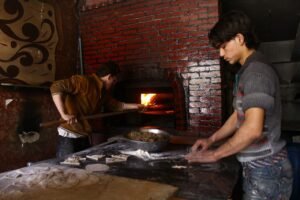
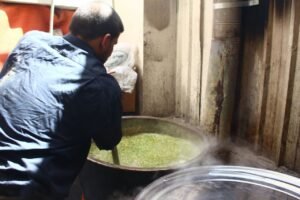
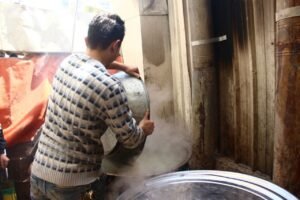
2. Emergency Relief Project After the Earthquake (2023)
Phase 1: February 6 to February 28, 2023
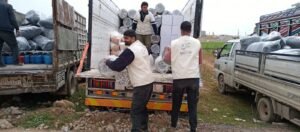
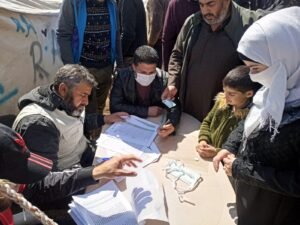
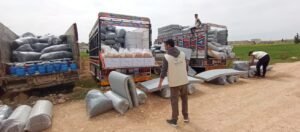
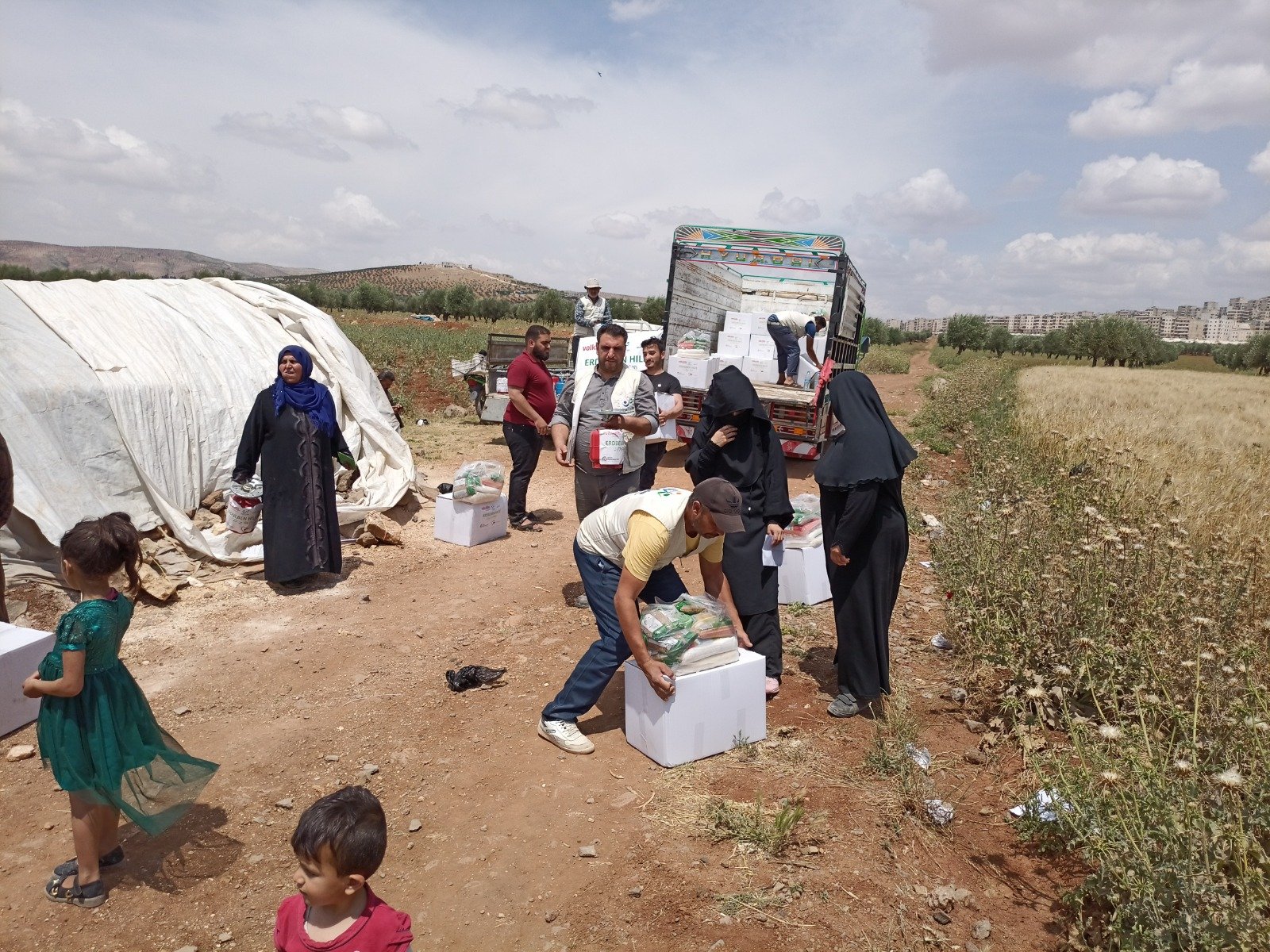
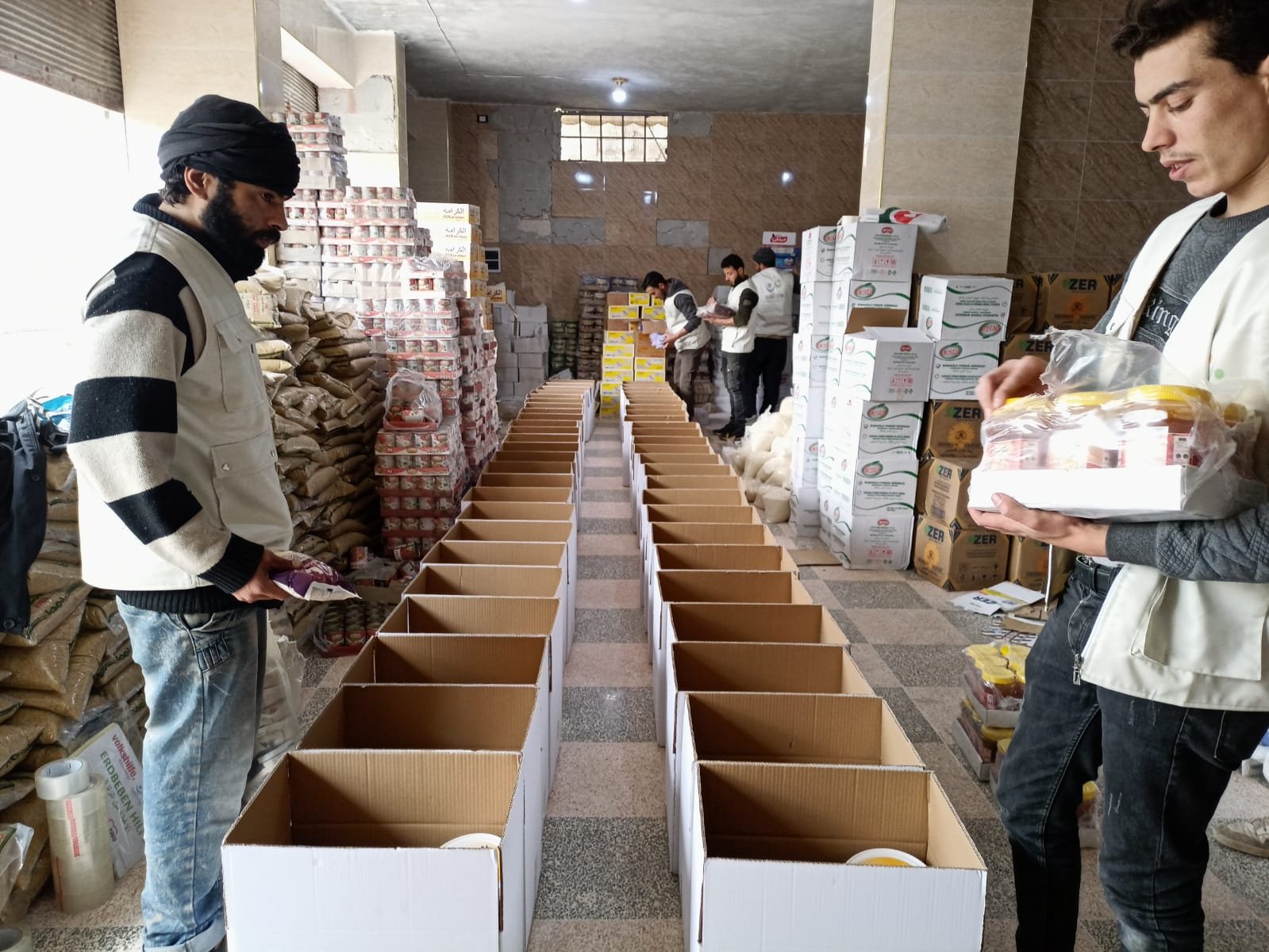
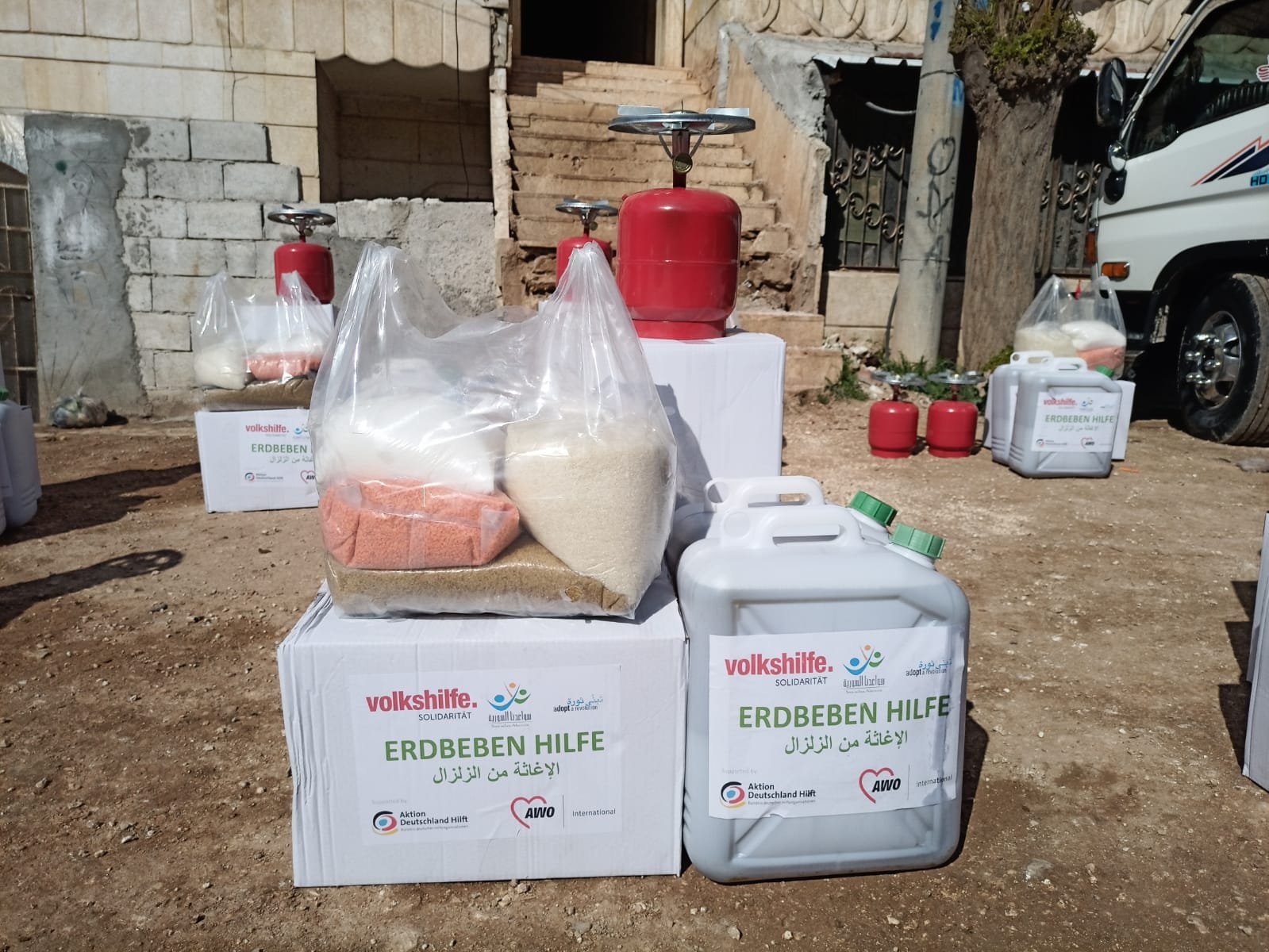
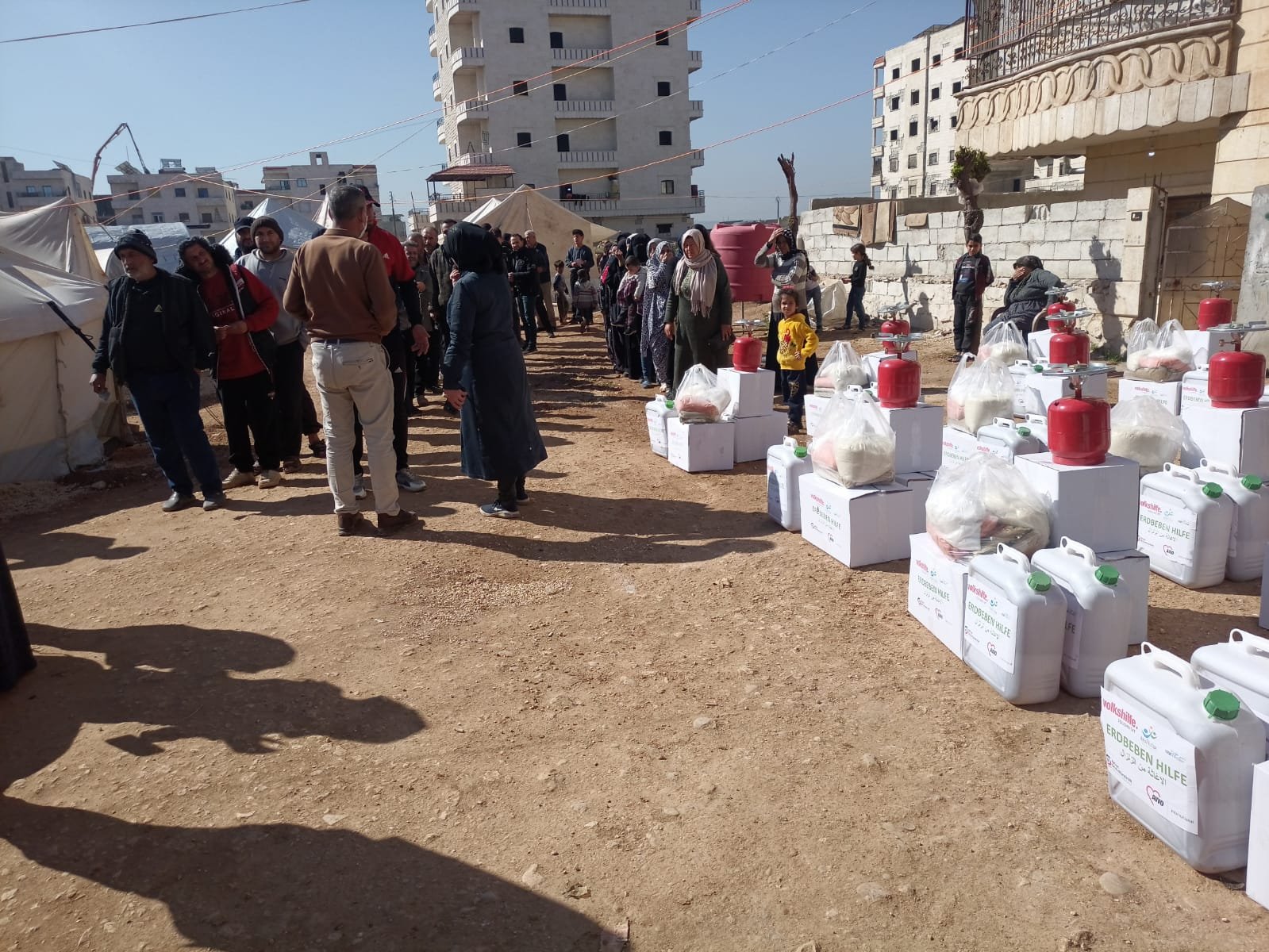
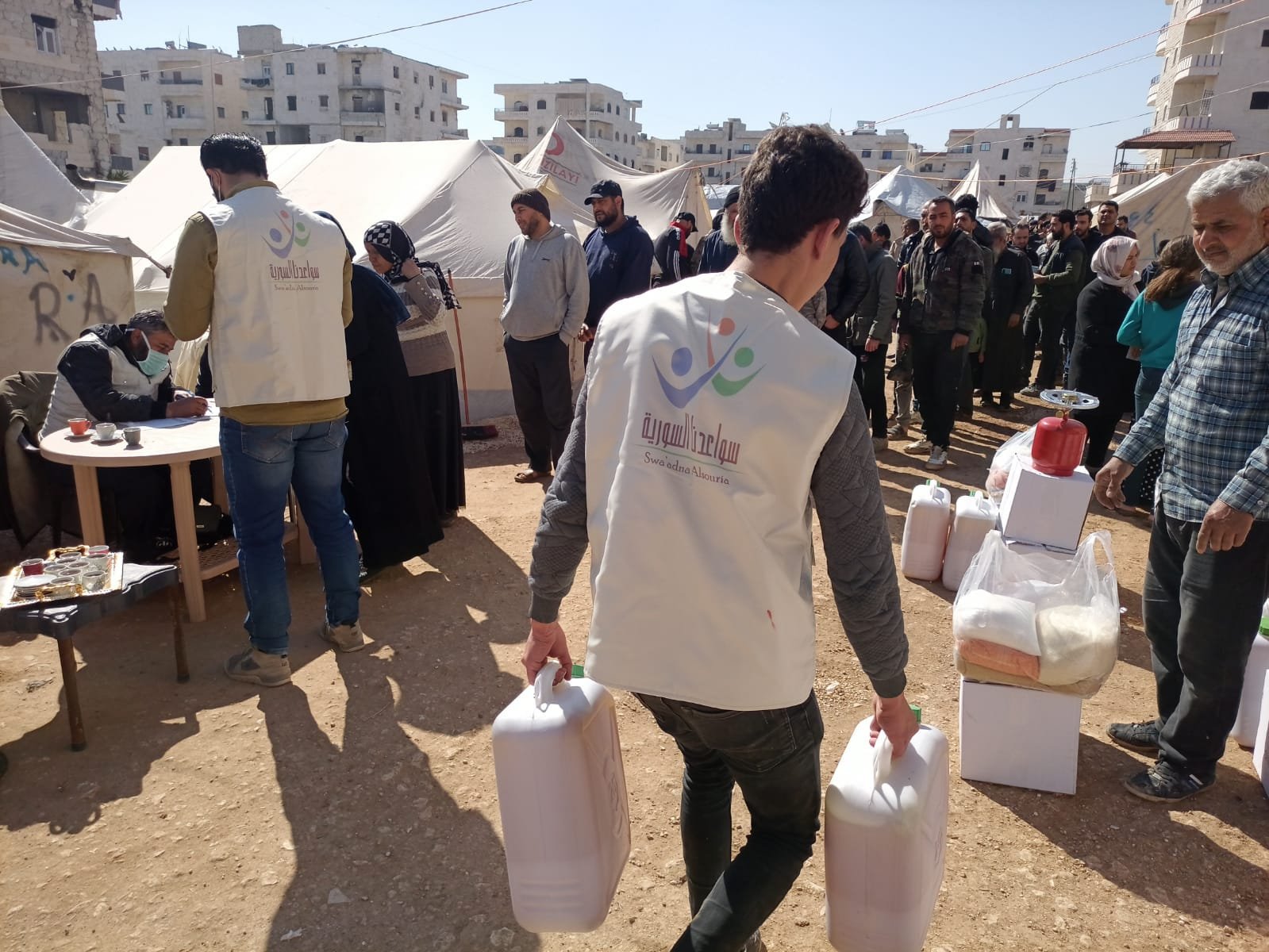
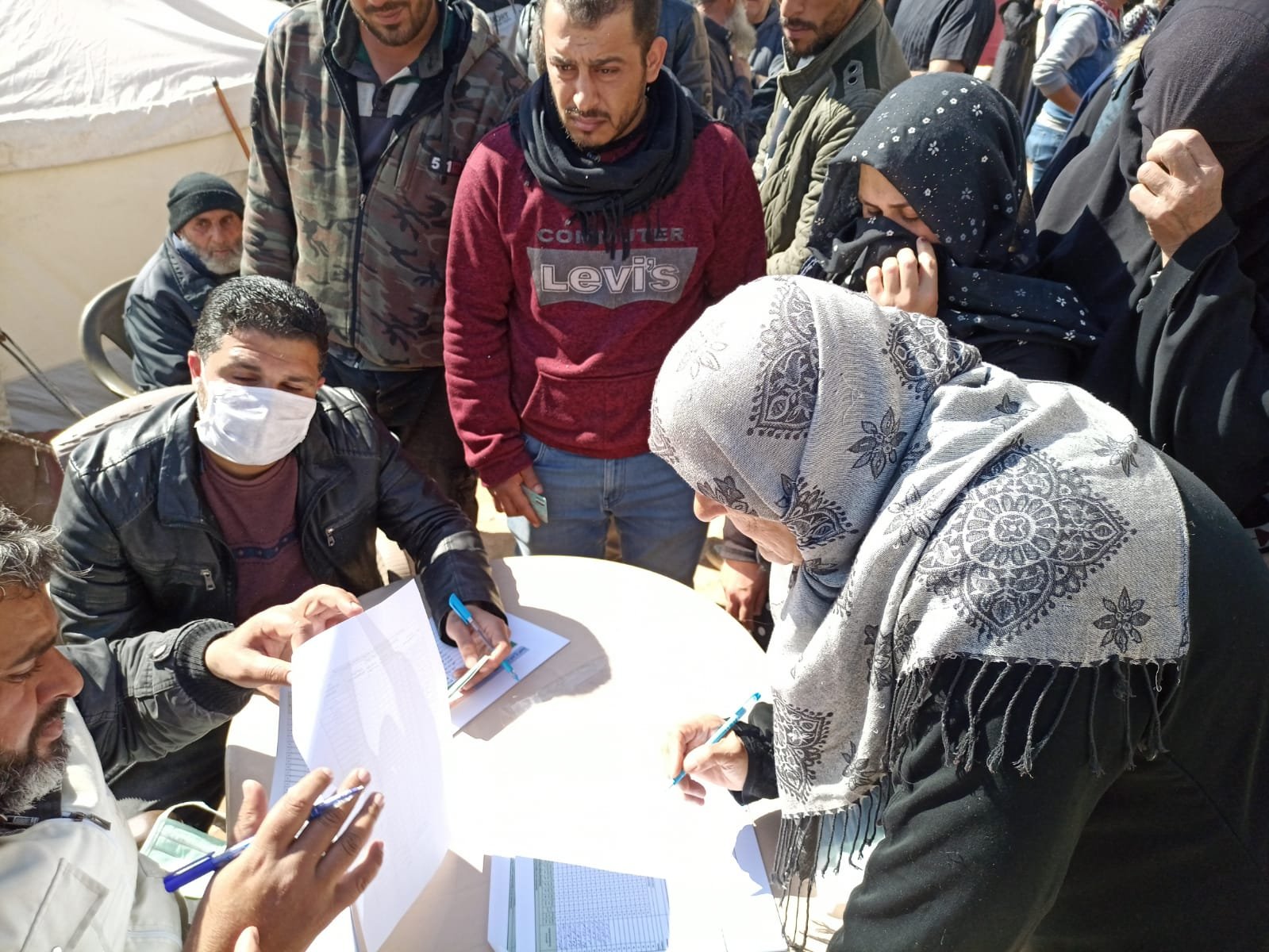
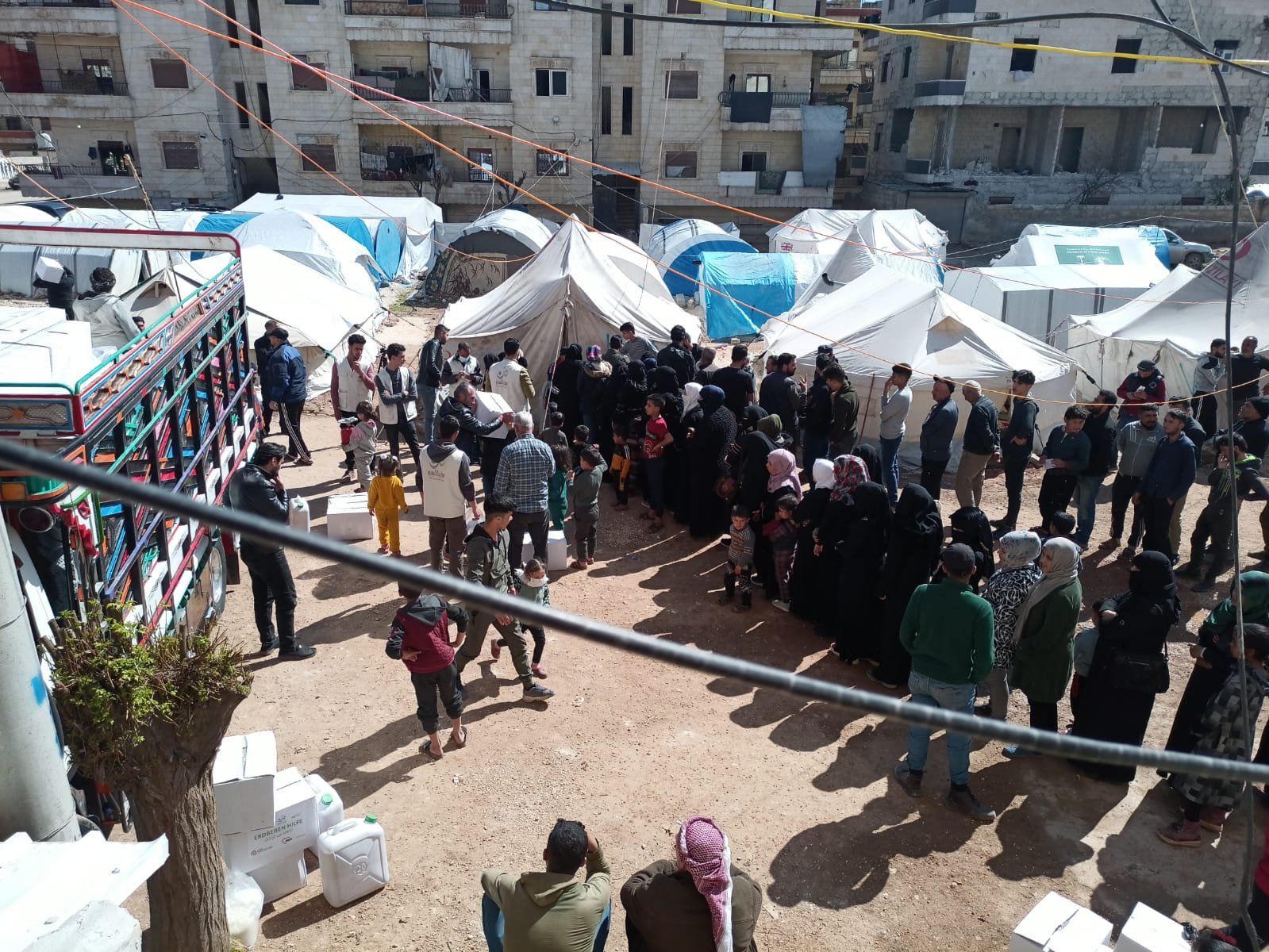
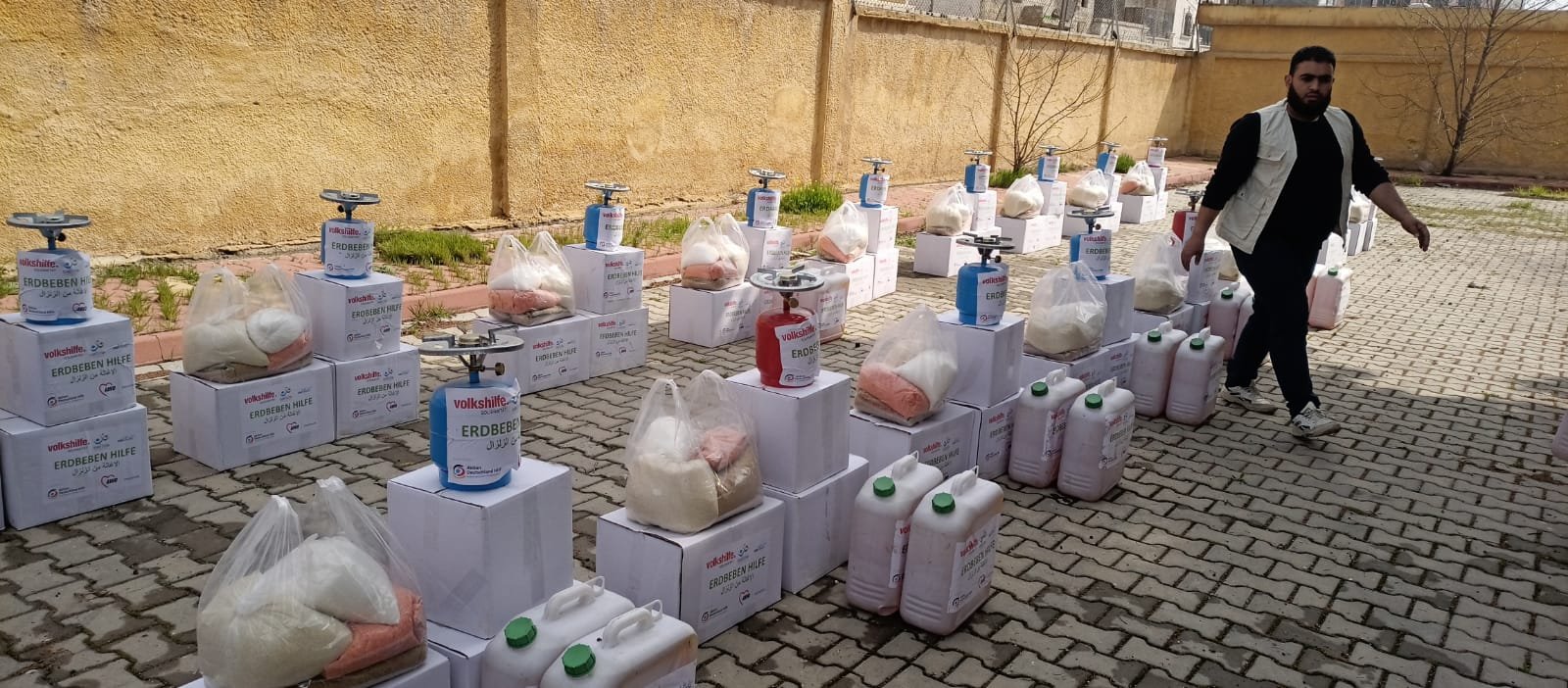
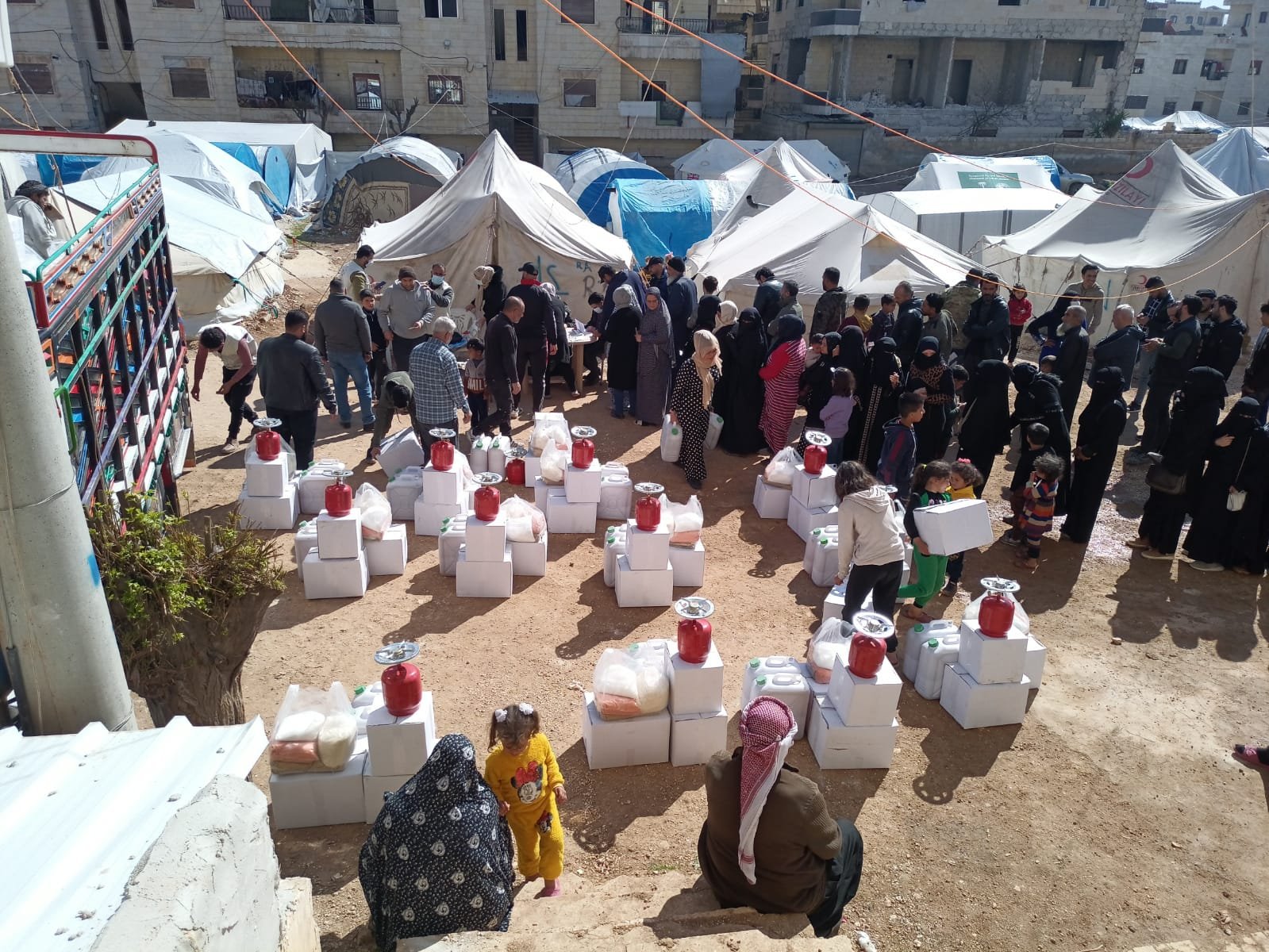
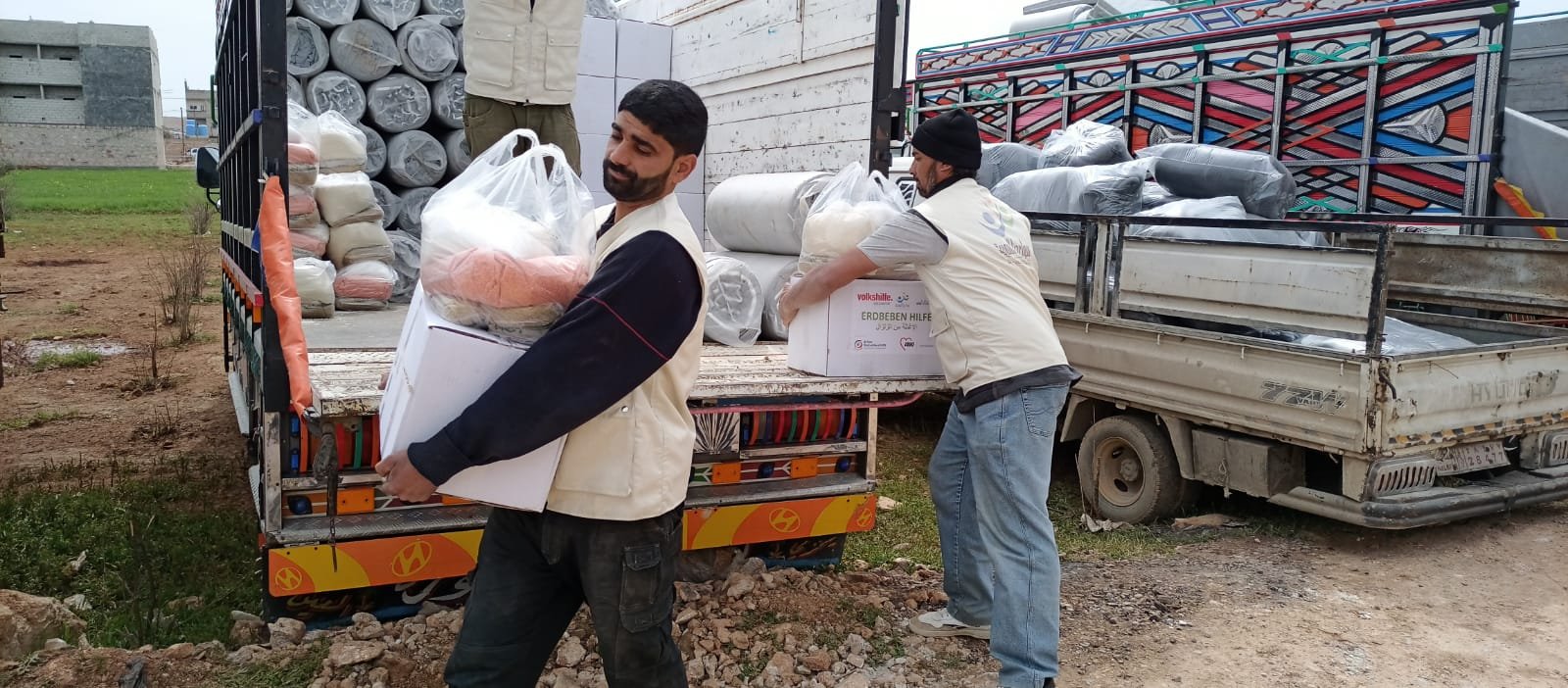
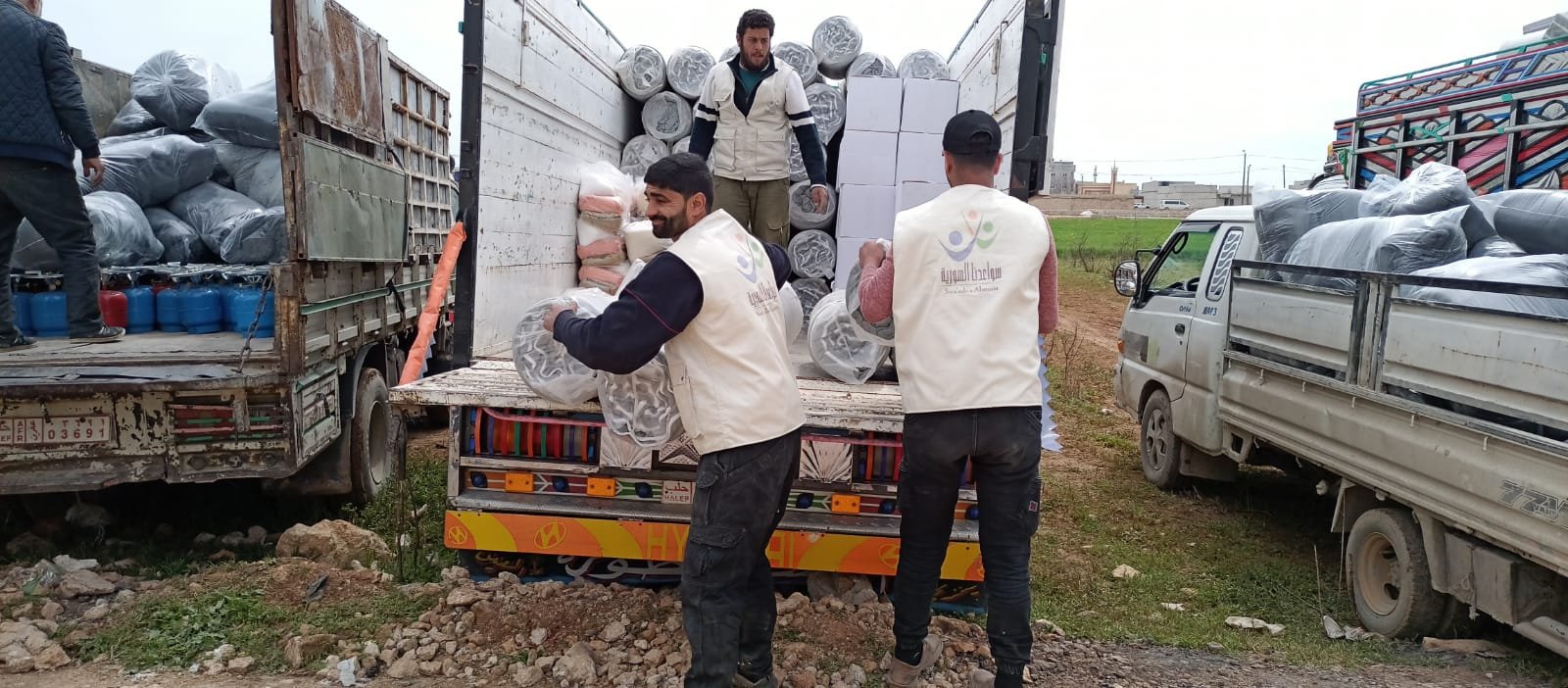
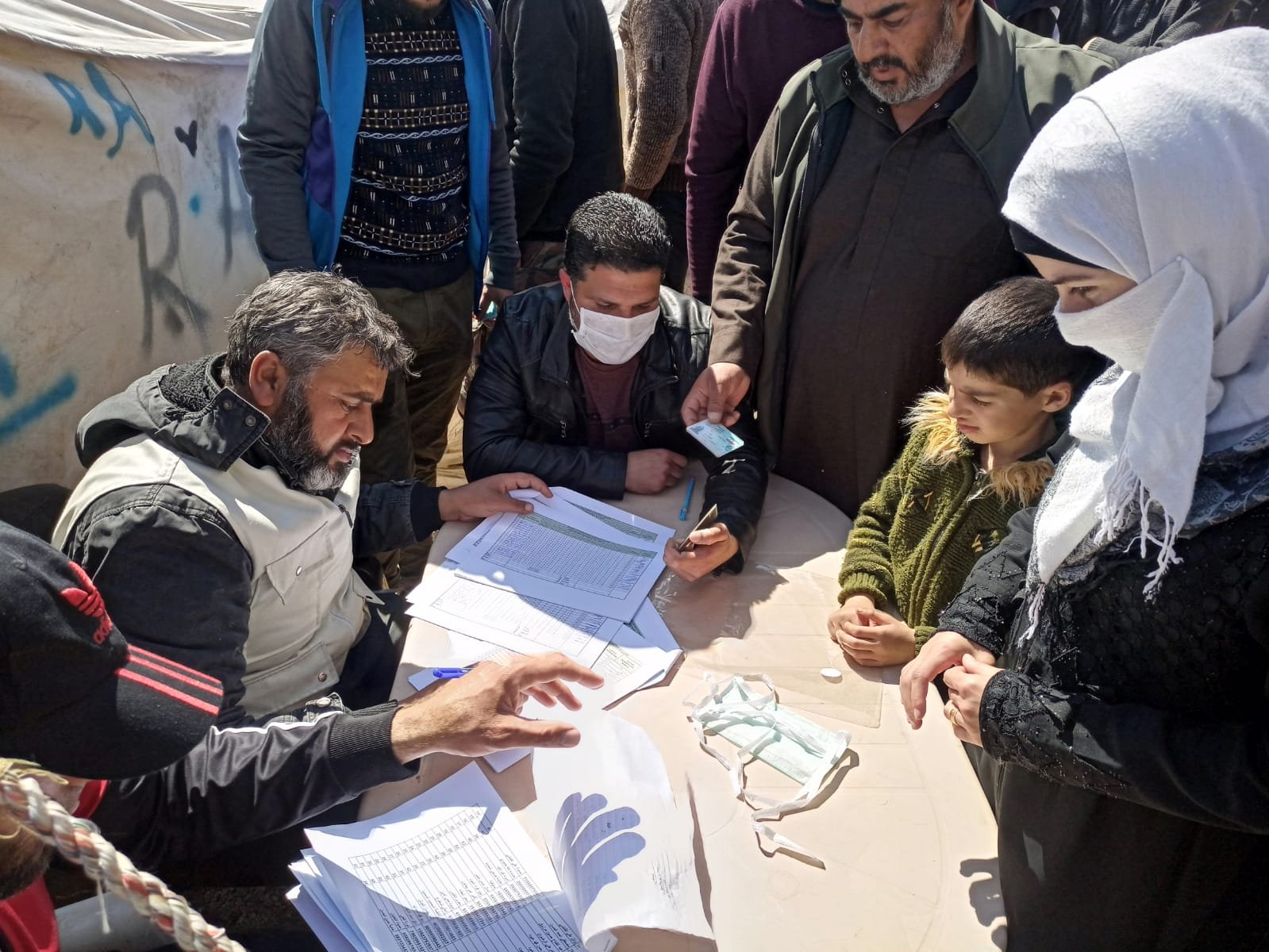
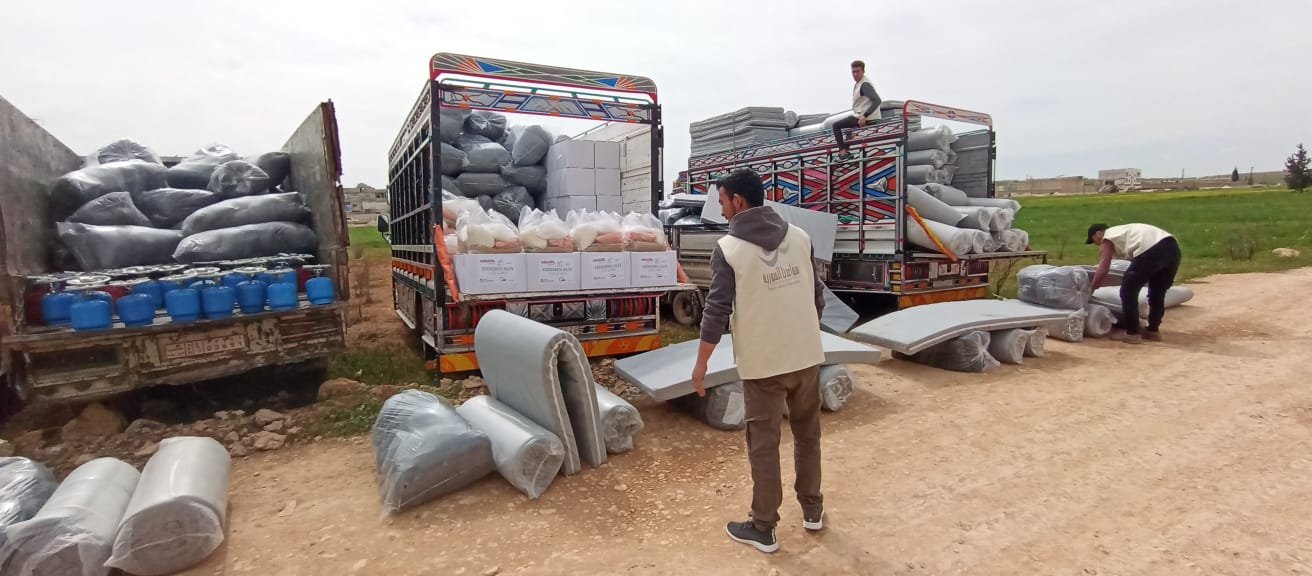
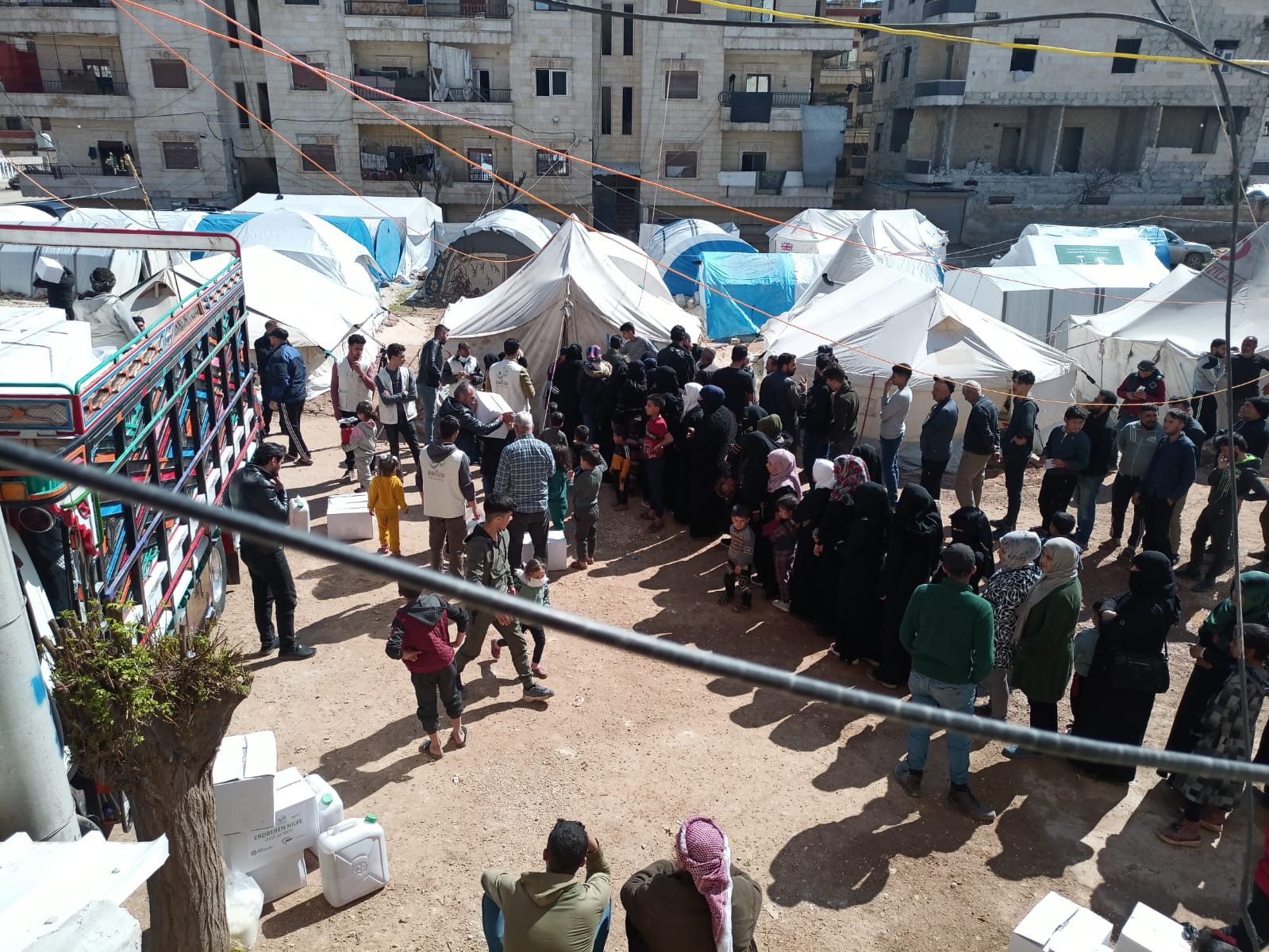
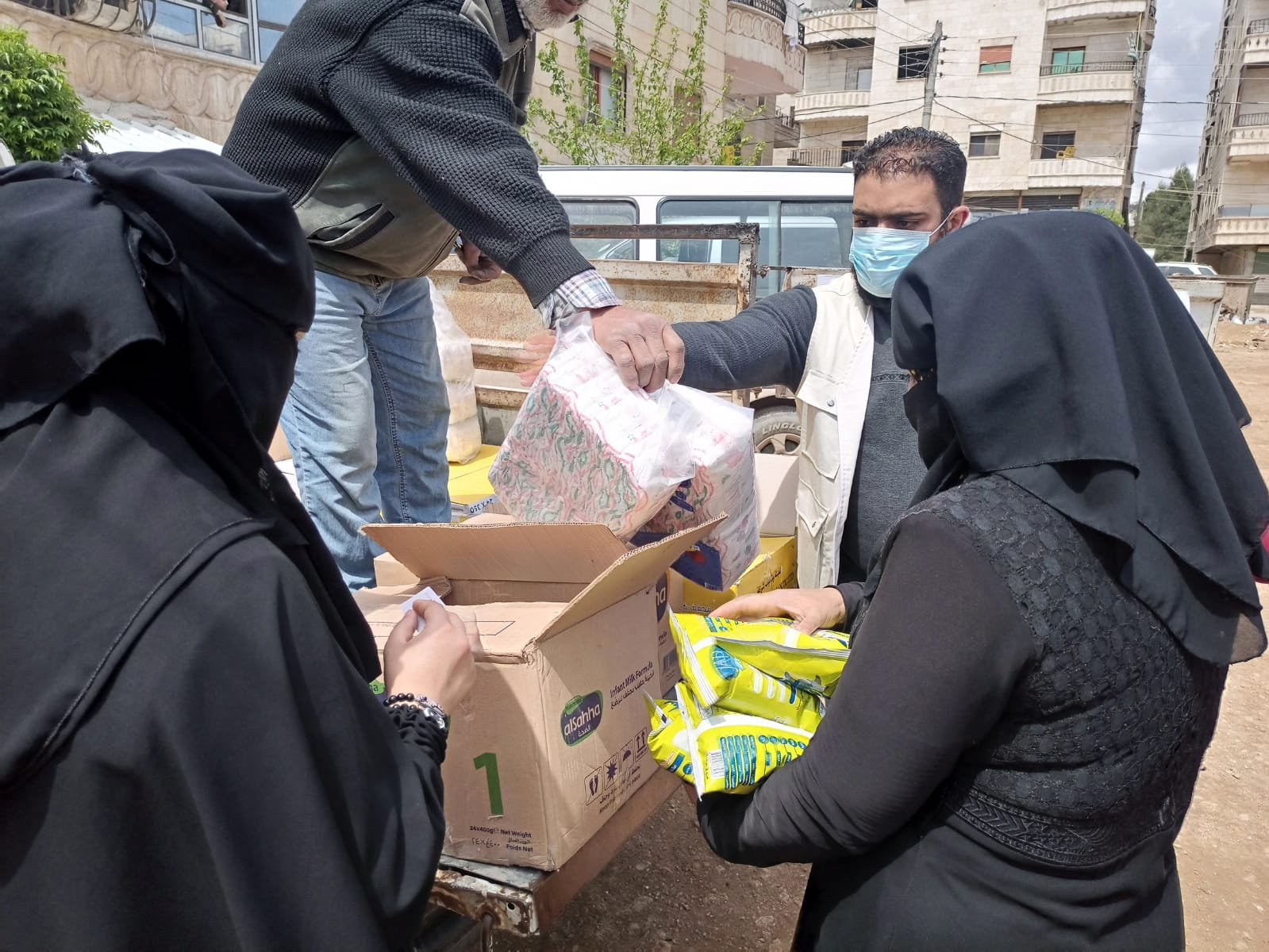
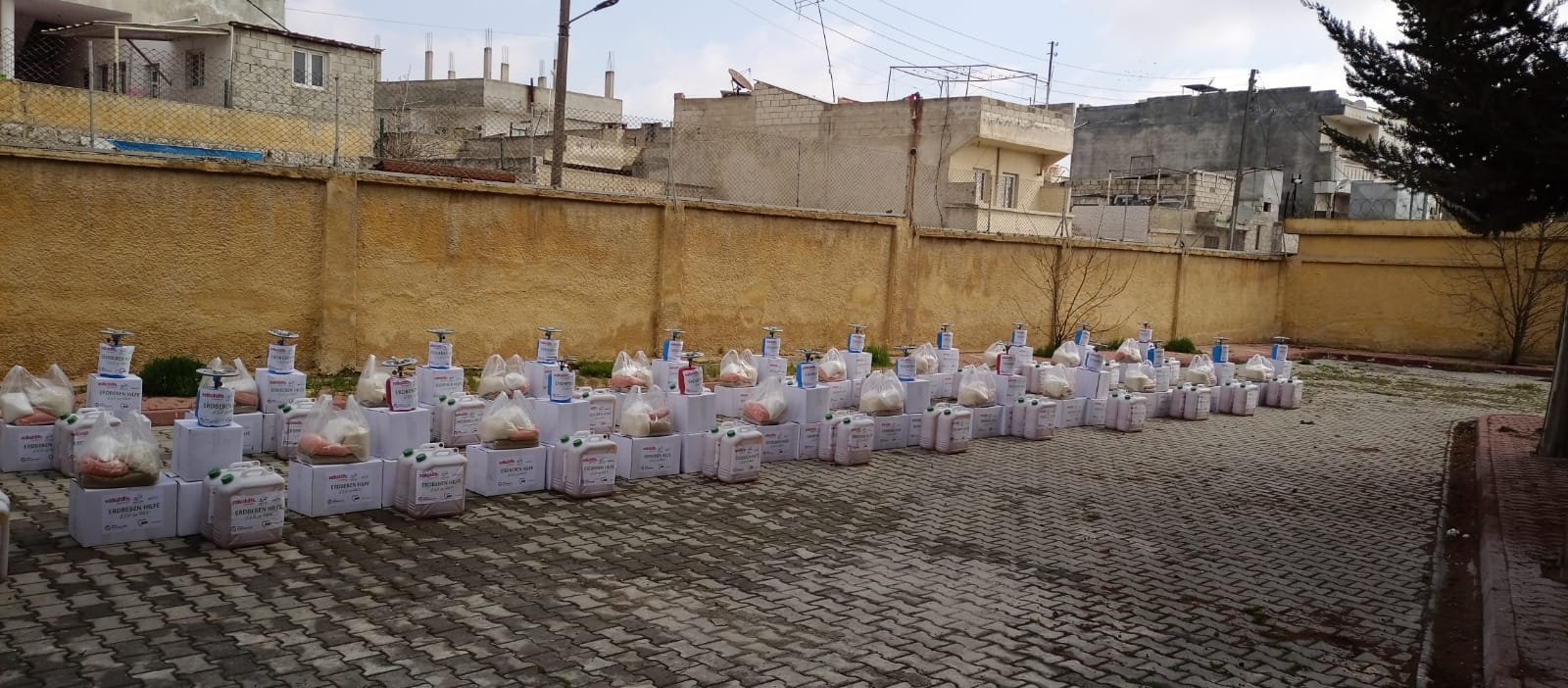
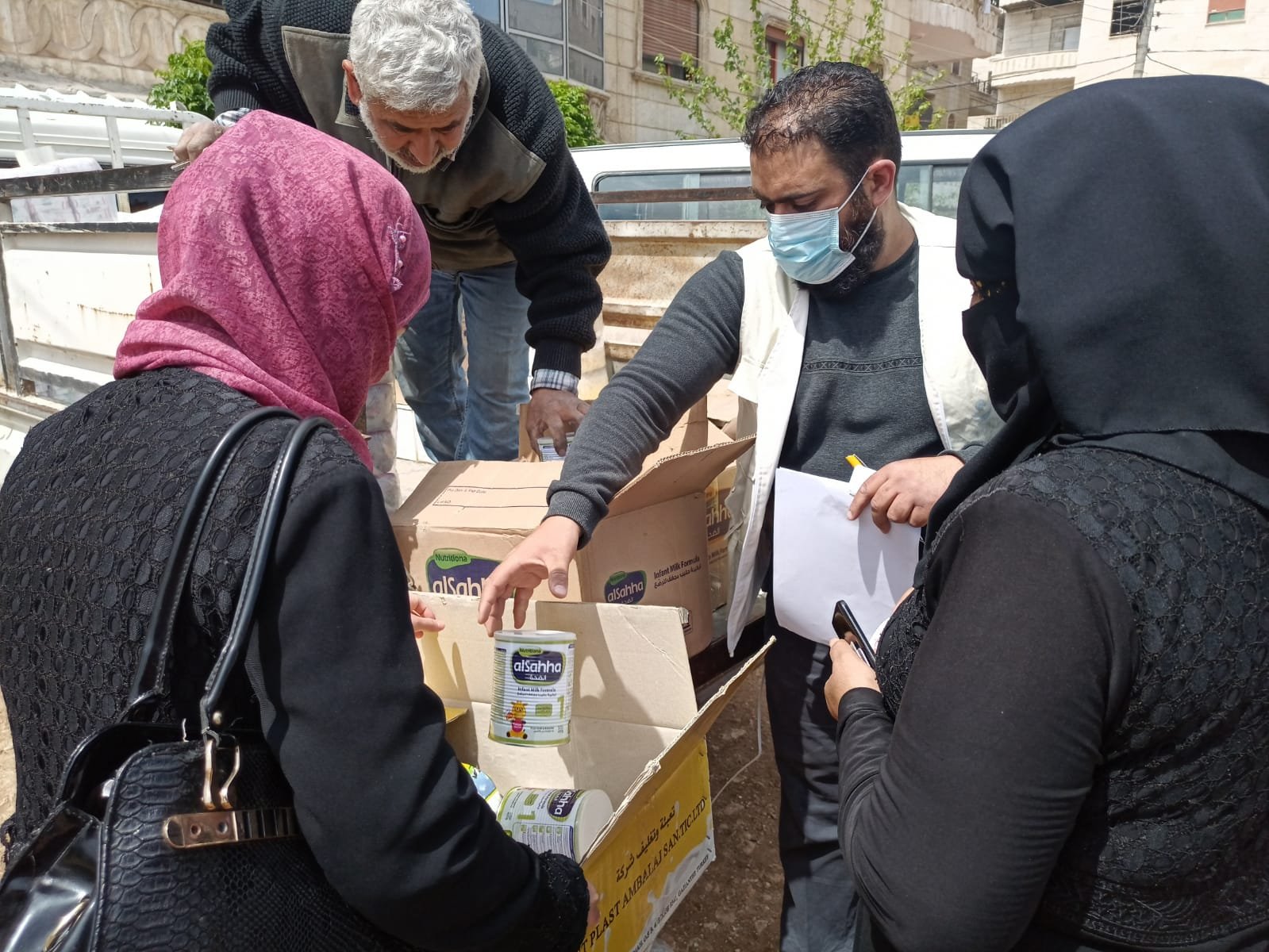
Emergency aid was provided to families affected by the earthquake in Afrin and Azaz areas. Aid included 100 food baskets, 100 hygiene kits, 500 blankets, 500 foam mattresses, and 125 milk and diaper shares for children under two years old.
This phase targeted 100 affected families and 125 children under two.
Phase 2: February 20 to May 19, 2023
Emergency aid expanded to 625 food baskets, 625 hygiene kits, 450 fuel baskets for heating, 175 fuel baskets for cooking, 150 bedding shares and foam mattresses, and 300 shares of milk and diapers for children under two.
This phase targeted 625 families and 300 children under two.
Phase 3: August 1, 2023, to July 31, 2024
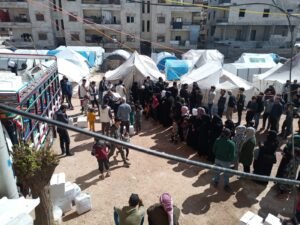
Emergency aid was delivered to families affected by the earthquake in Afrin and Azaz camps, alongside psychosocial support for affected children.
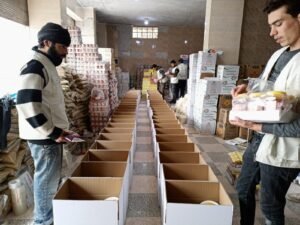
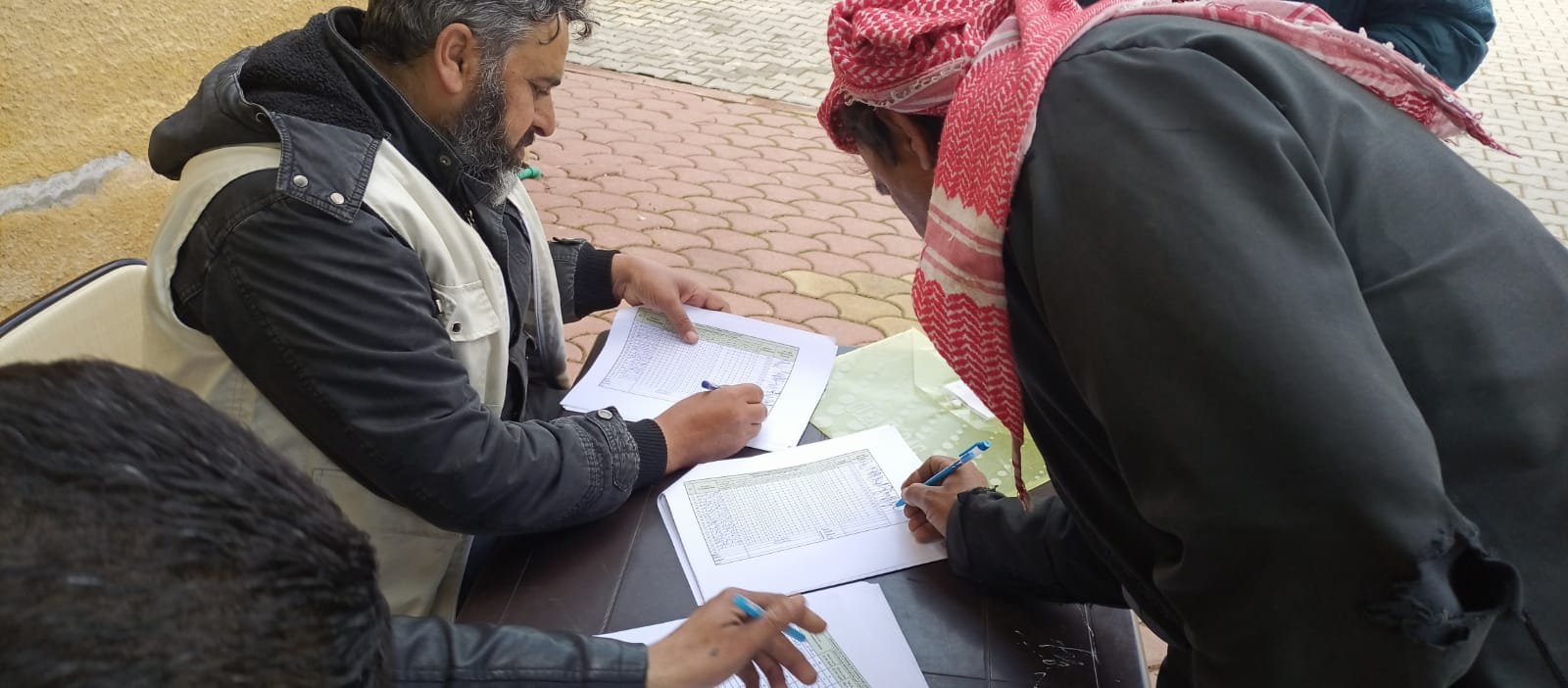
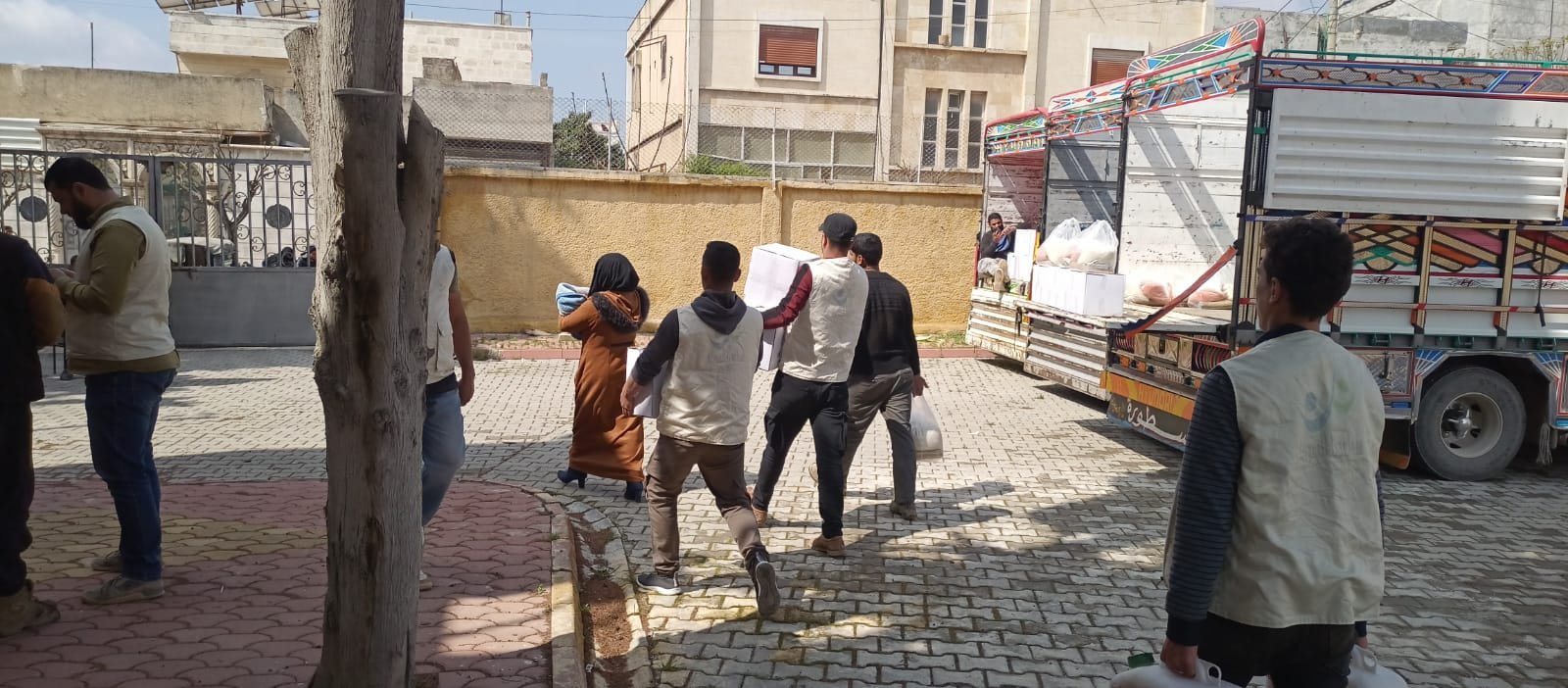
Aid included 950 food baskets and 950 hygiene kits, targeting 950 families in Bab al-Salama camps. Psychosocial support targeted 630 children.
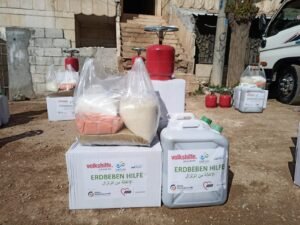
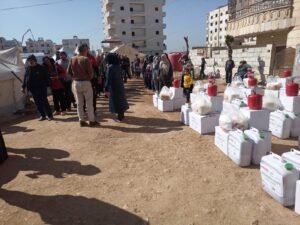
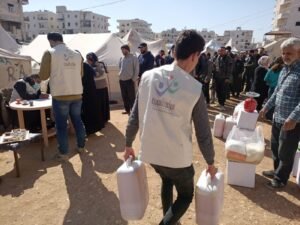
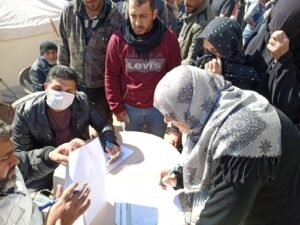
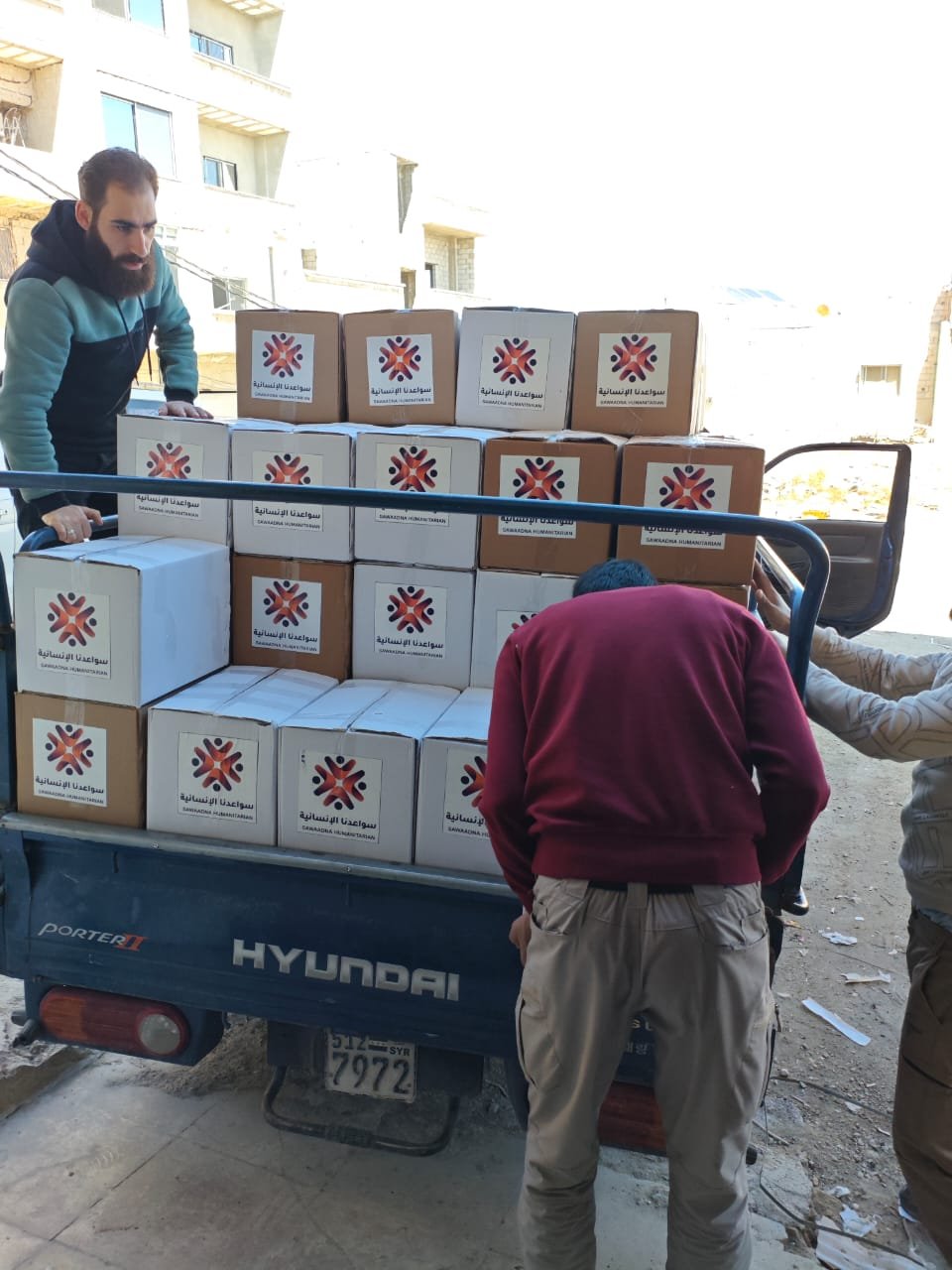
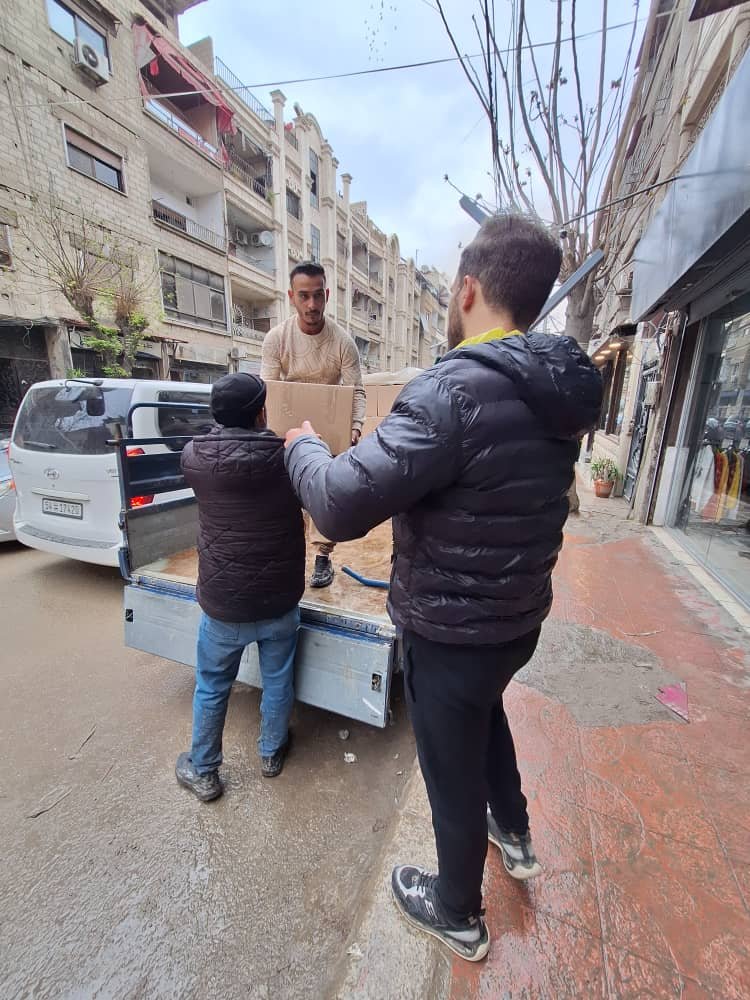
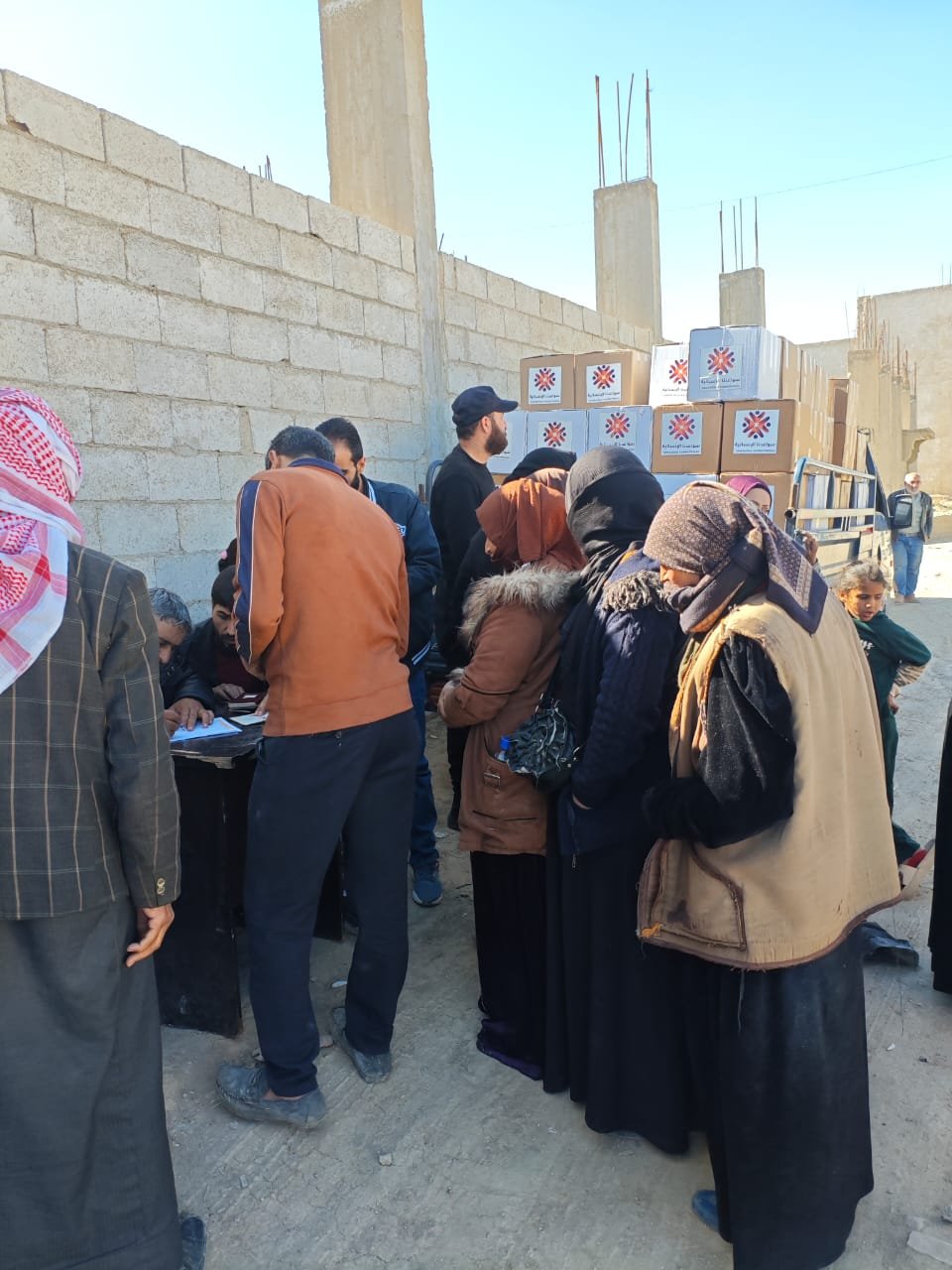
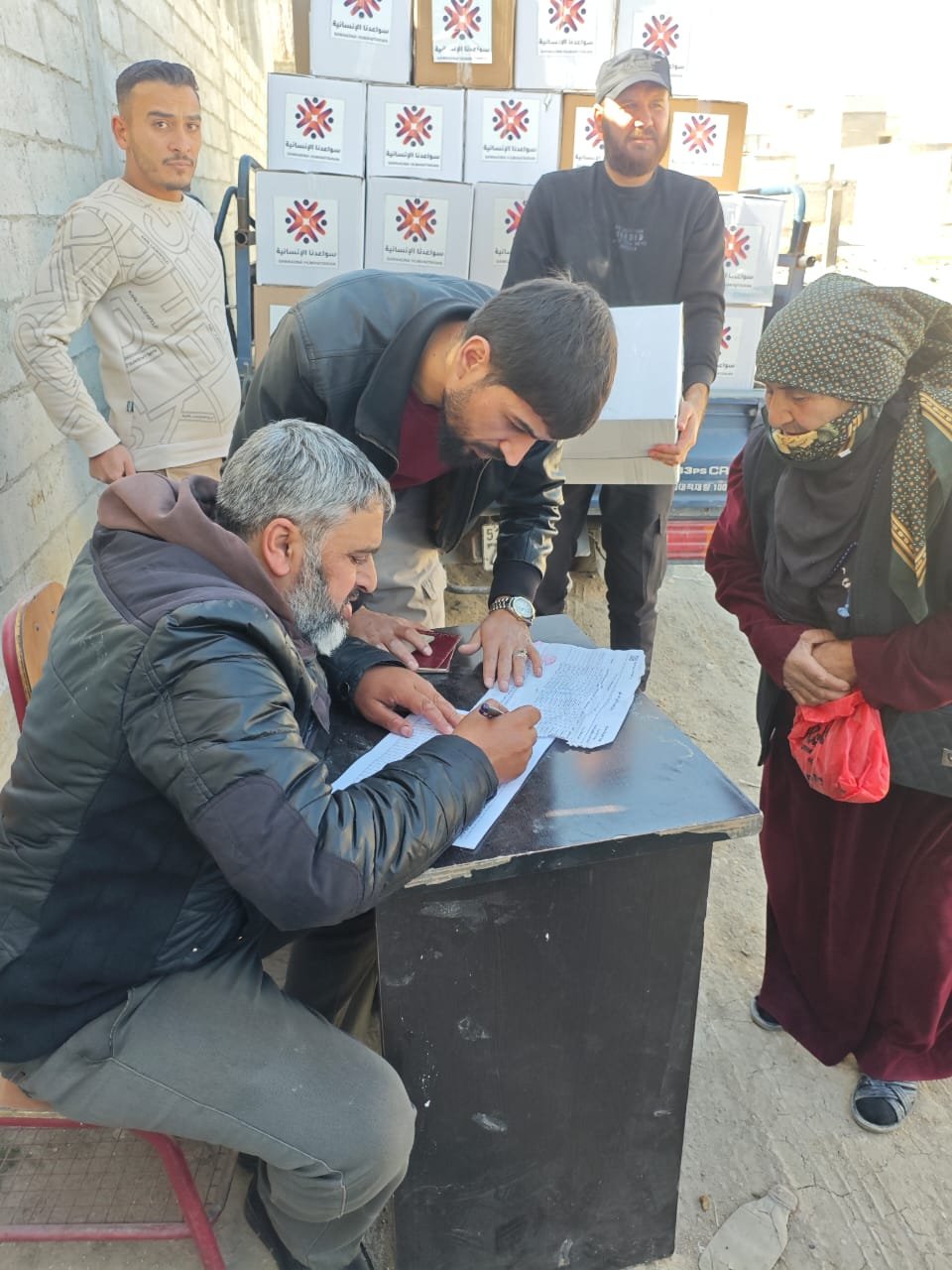
3. Emergency Assistance Project for Displaced Families from Suweyda Province (2026)
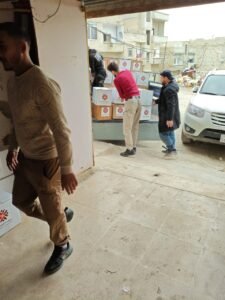
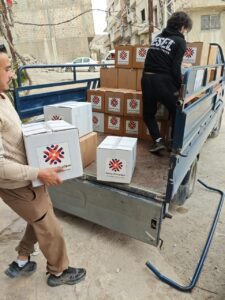
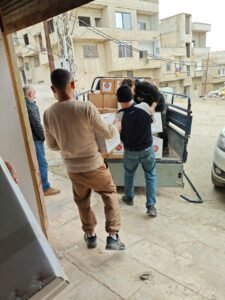
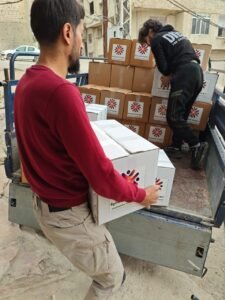
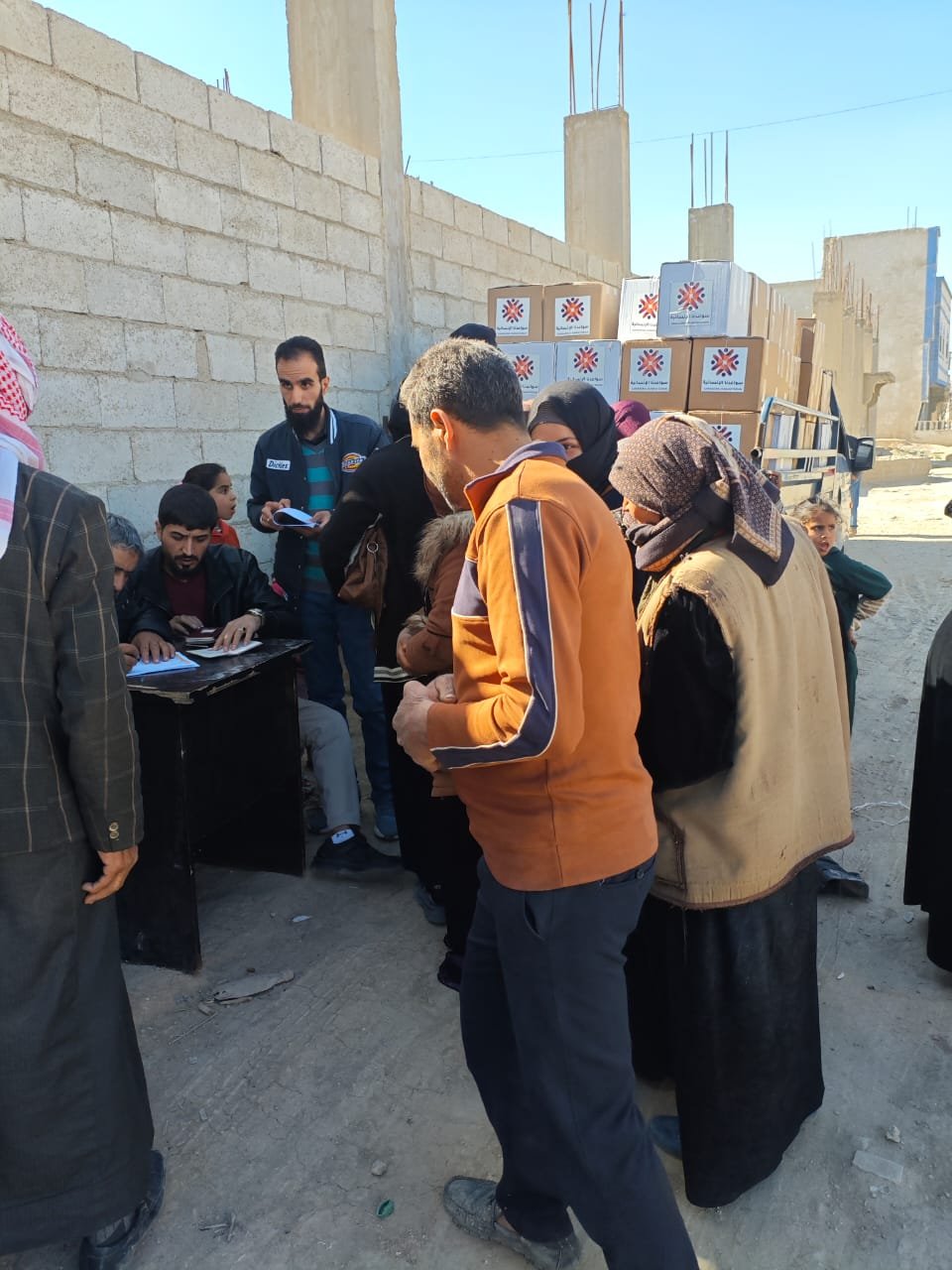
This project provided emergency aid for families displaced from Suweyda after July 2025, distributing 440 food baskets to 440 displaced families in Rural Damascus.
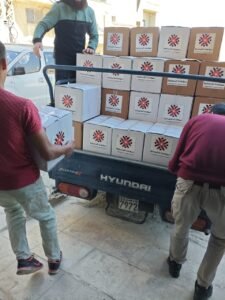
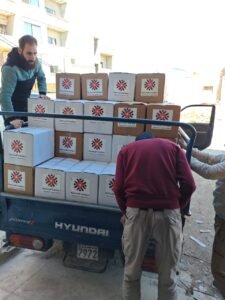
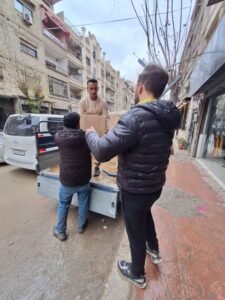
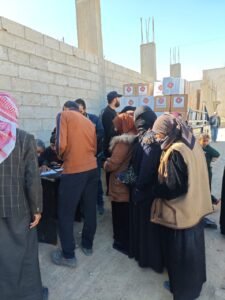
Livelihood Projects
1. Livelihoods and Livestock in Rural Areas – Phase 1 (2019-2020)
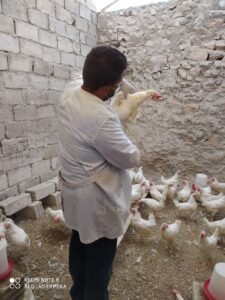
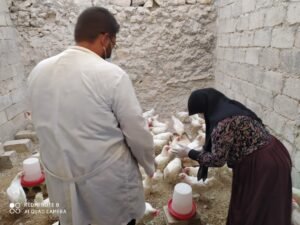
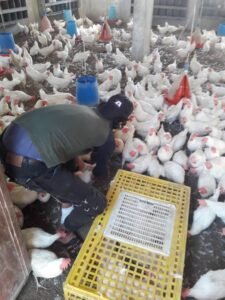
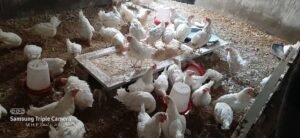
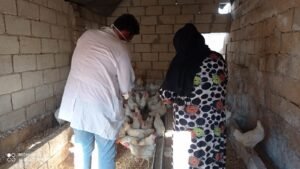
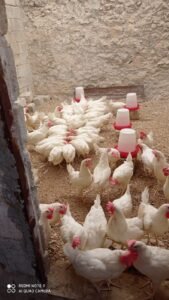
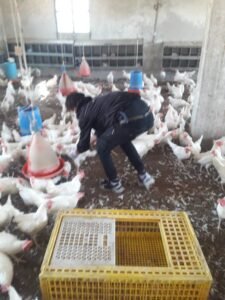
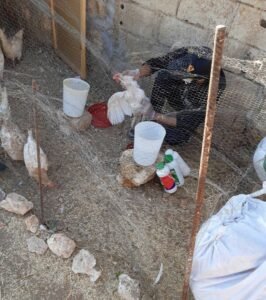
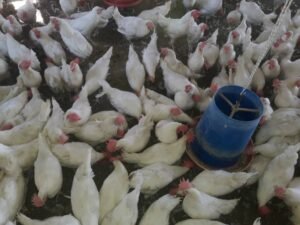
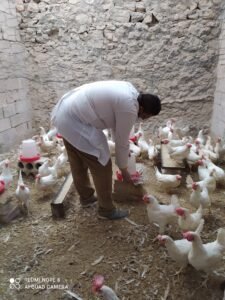
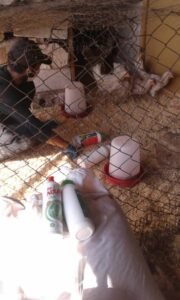
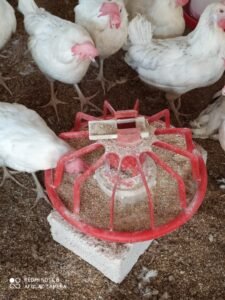
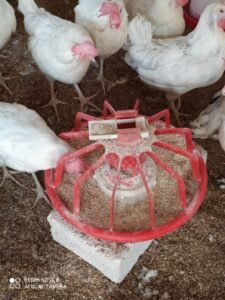
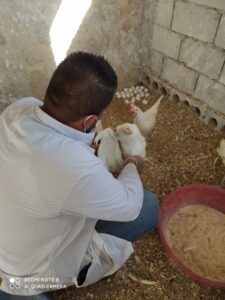
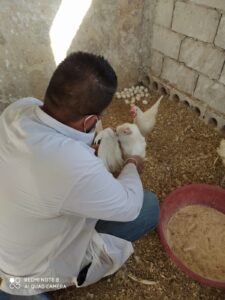
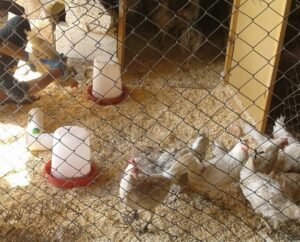
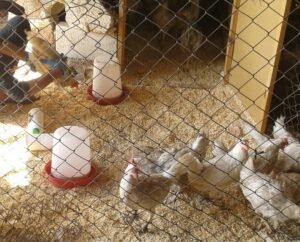
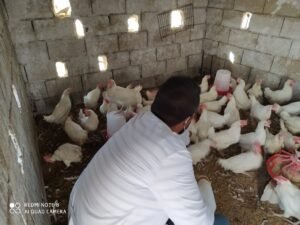
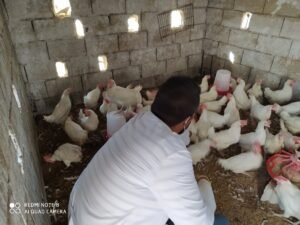
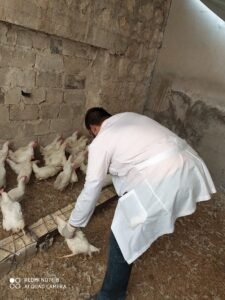
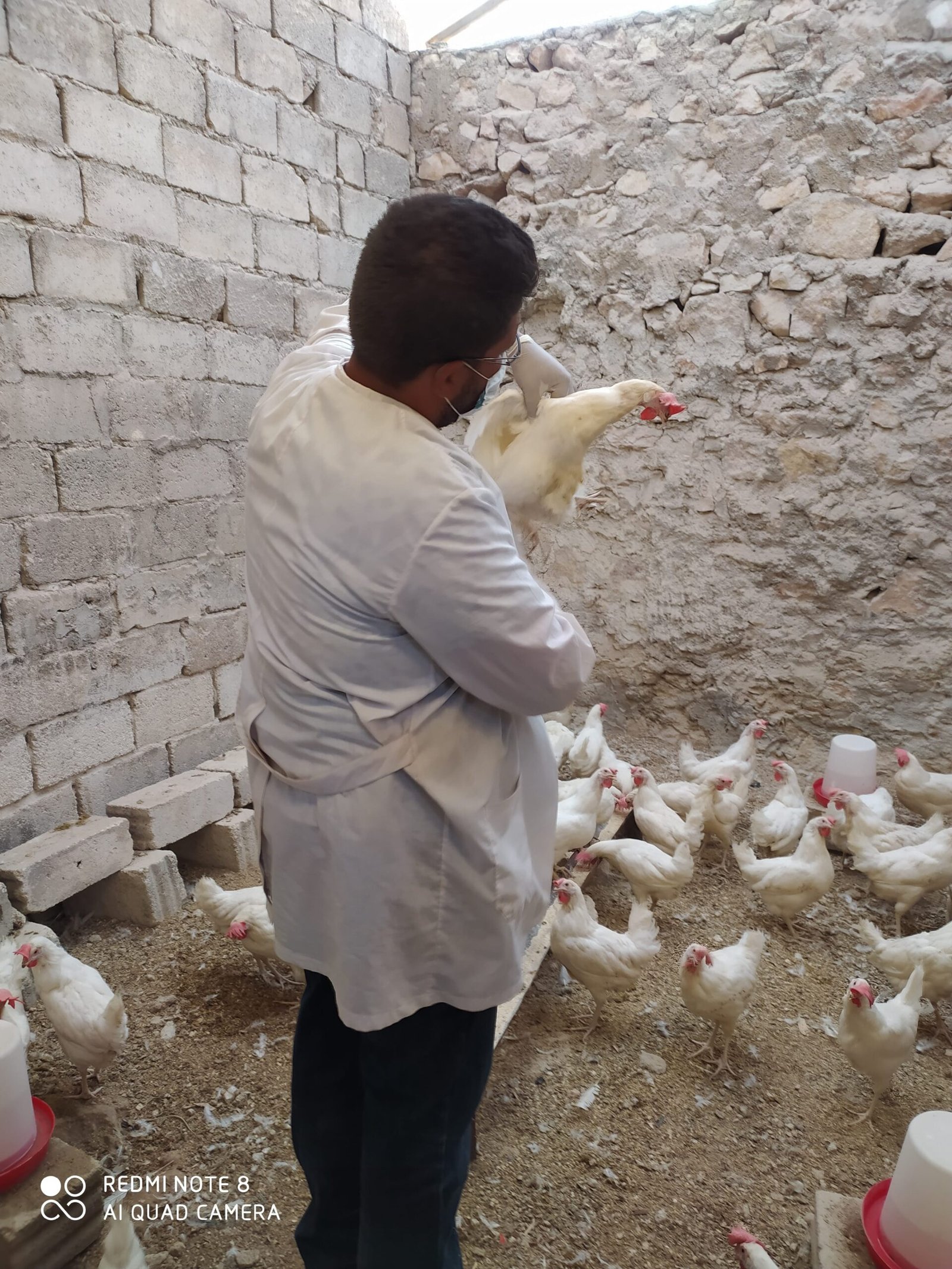
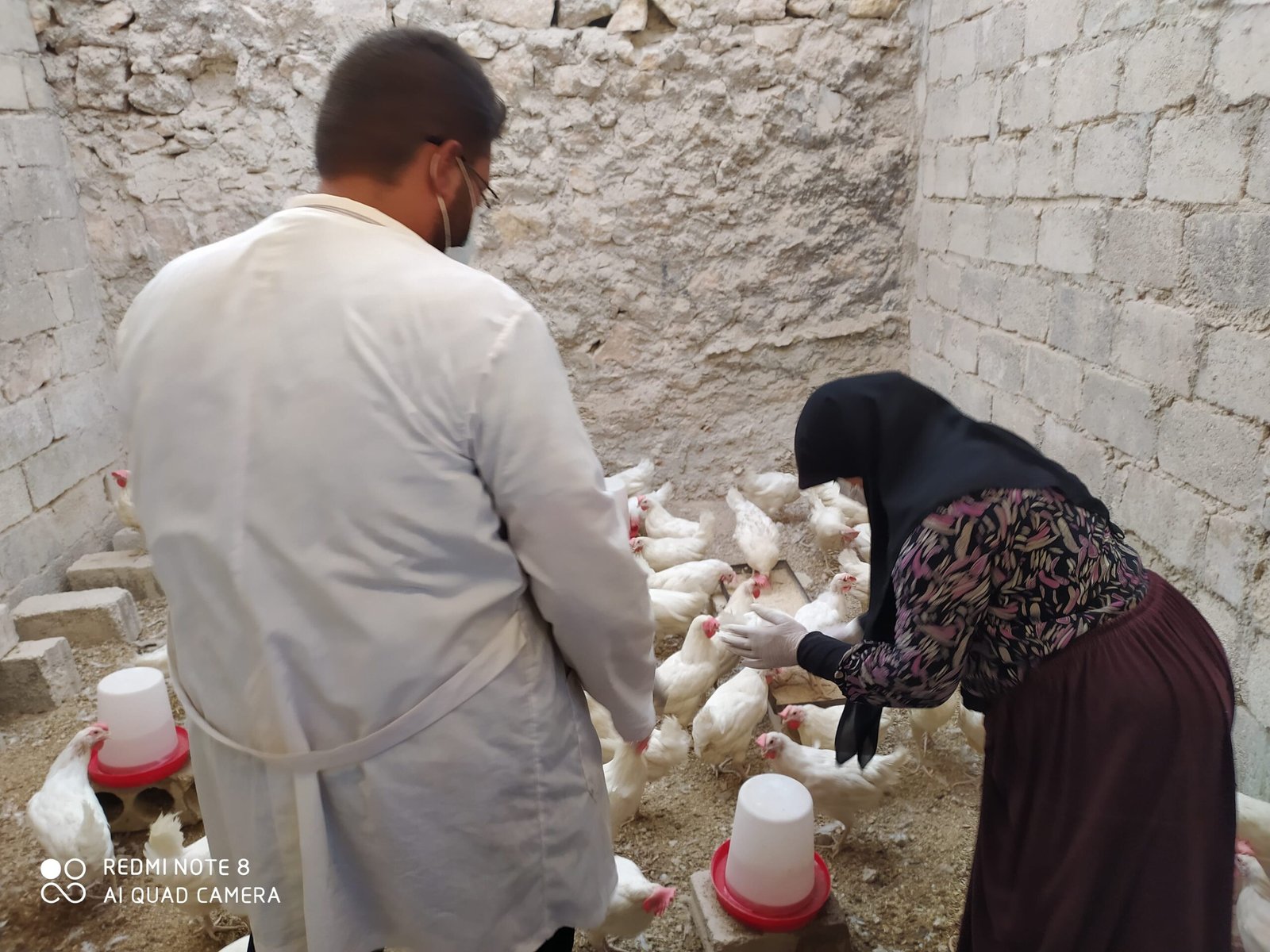
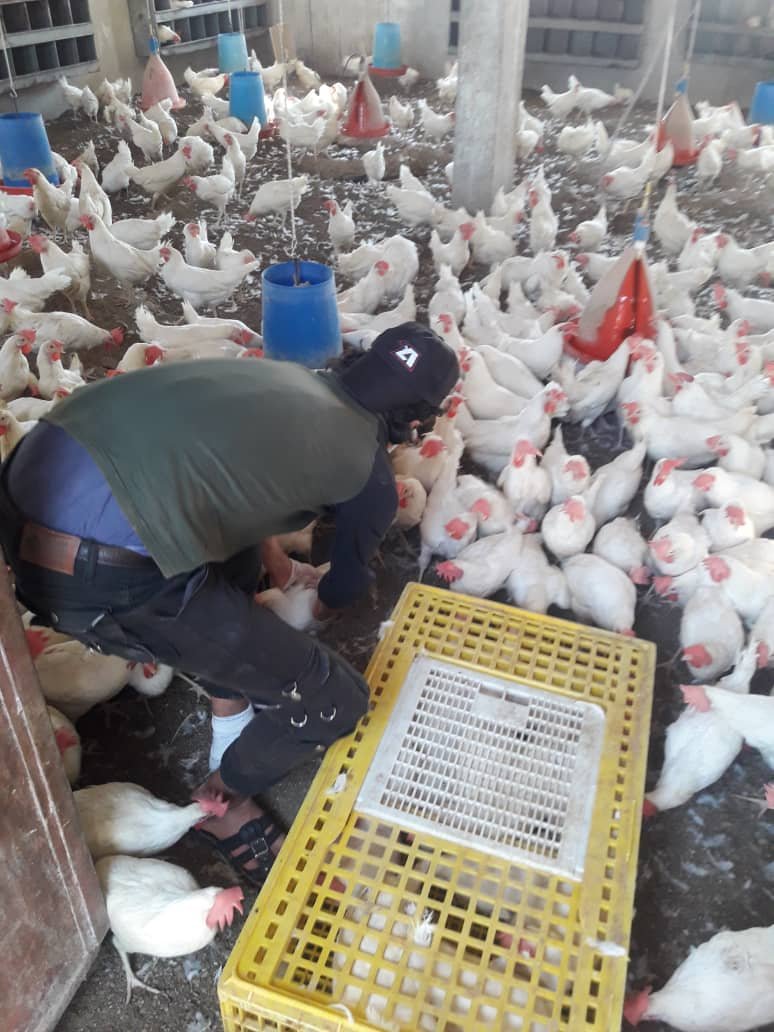
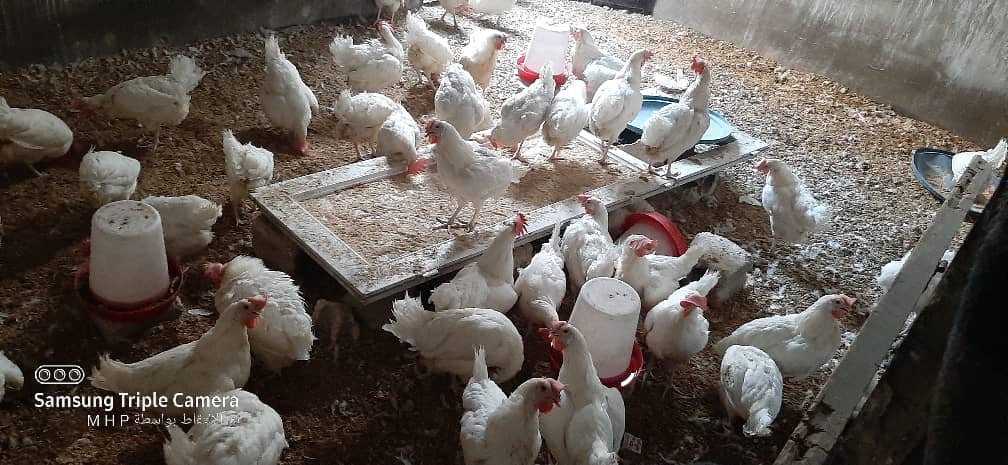
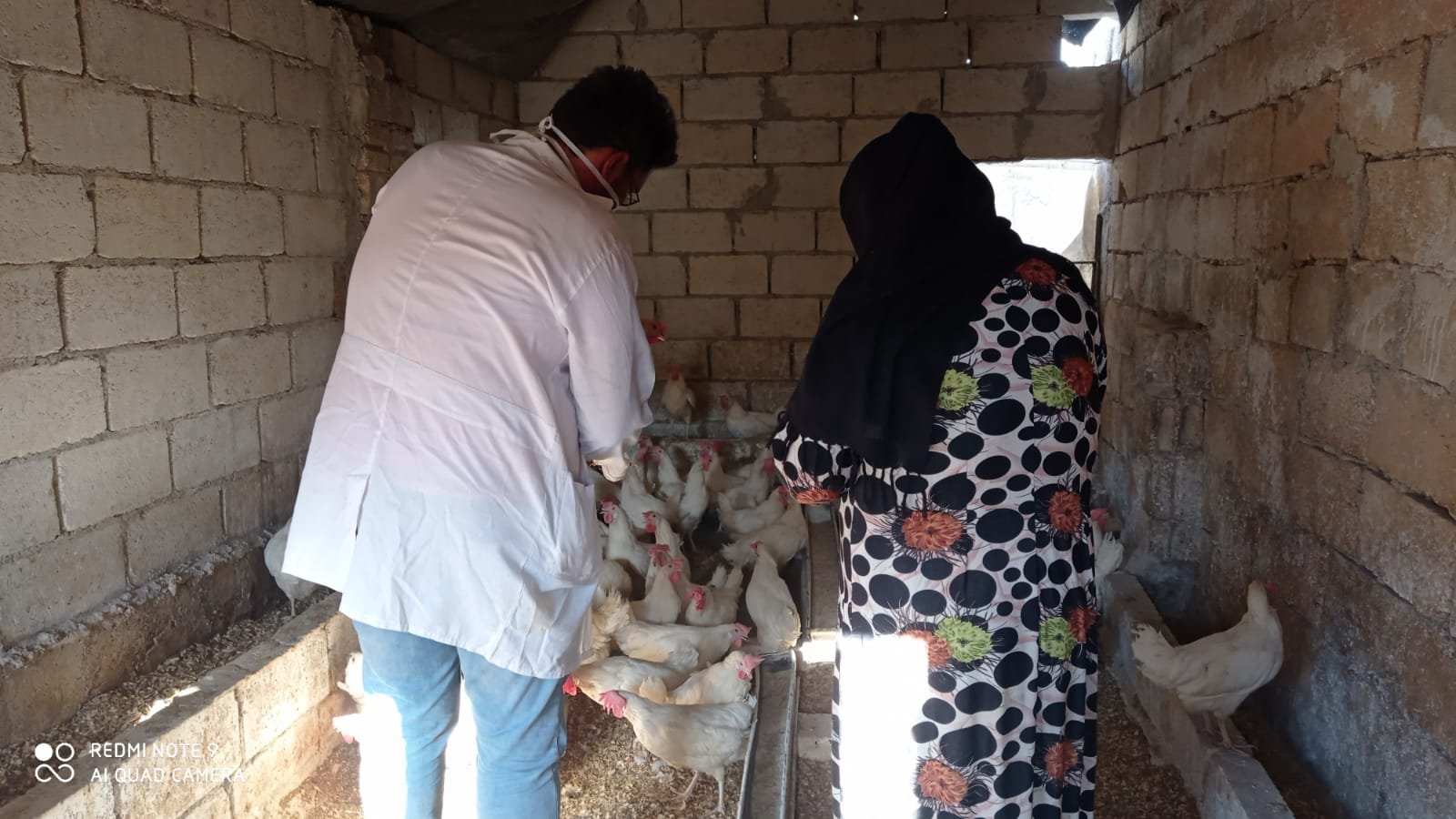
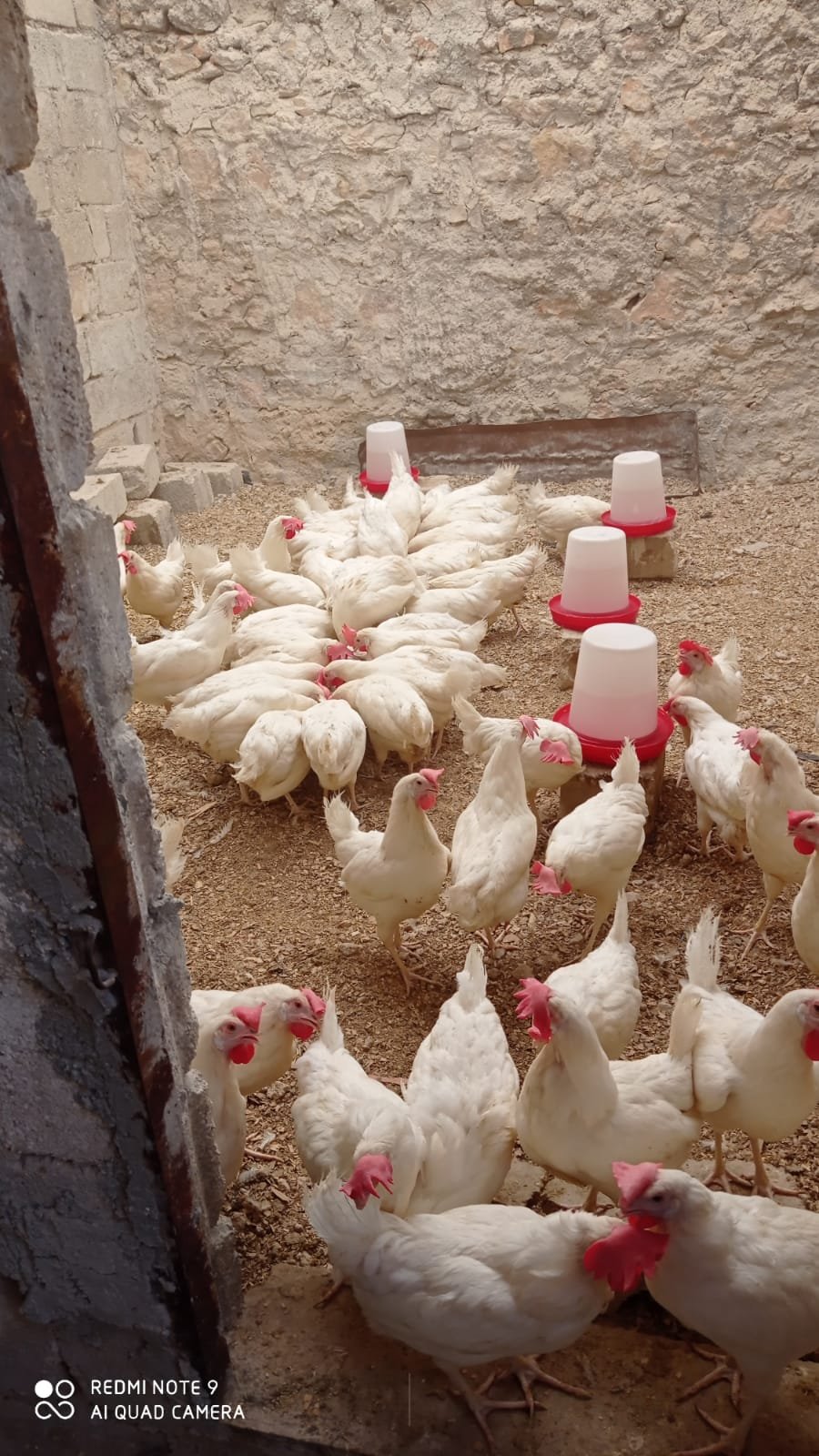
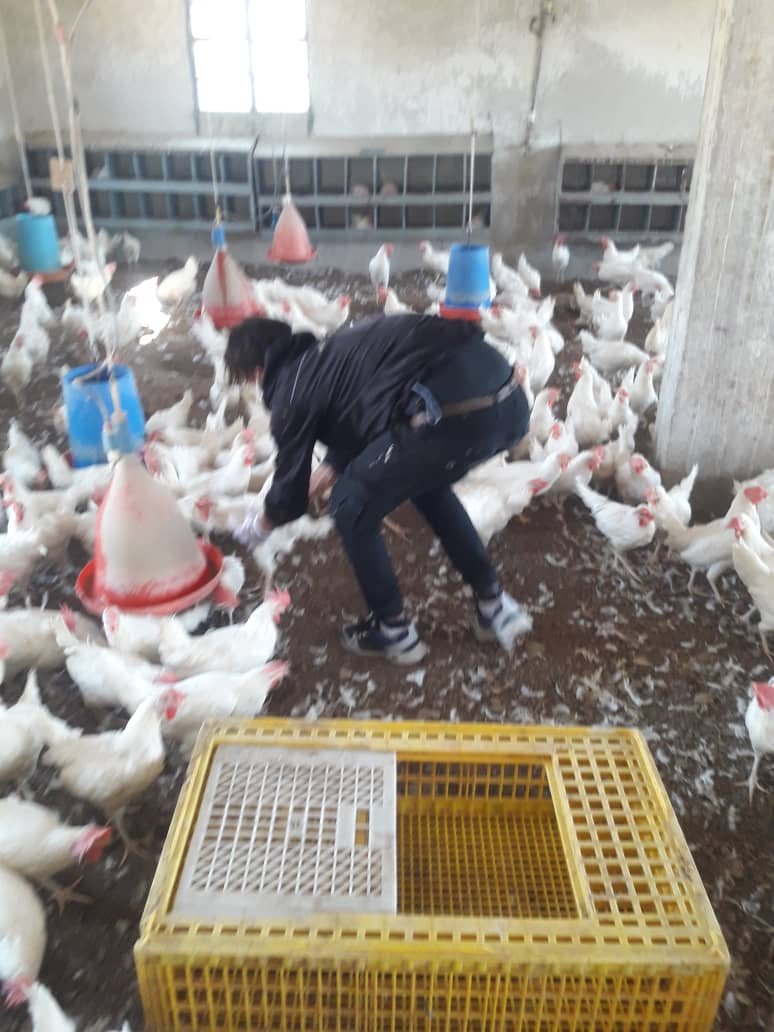
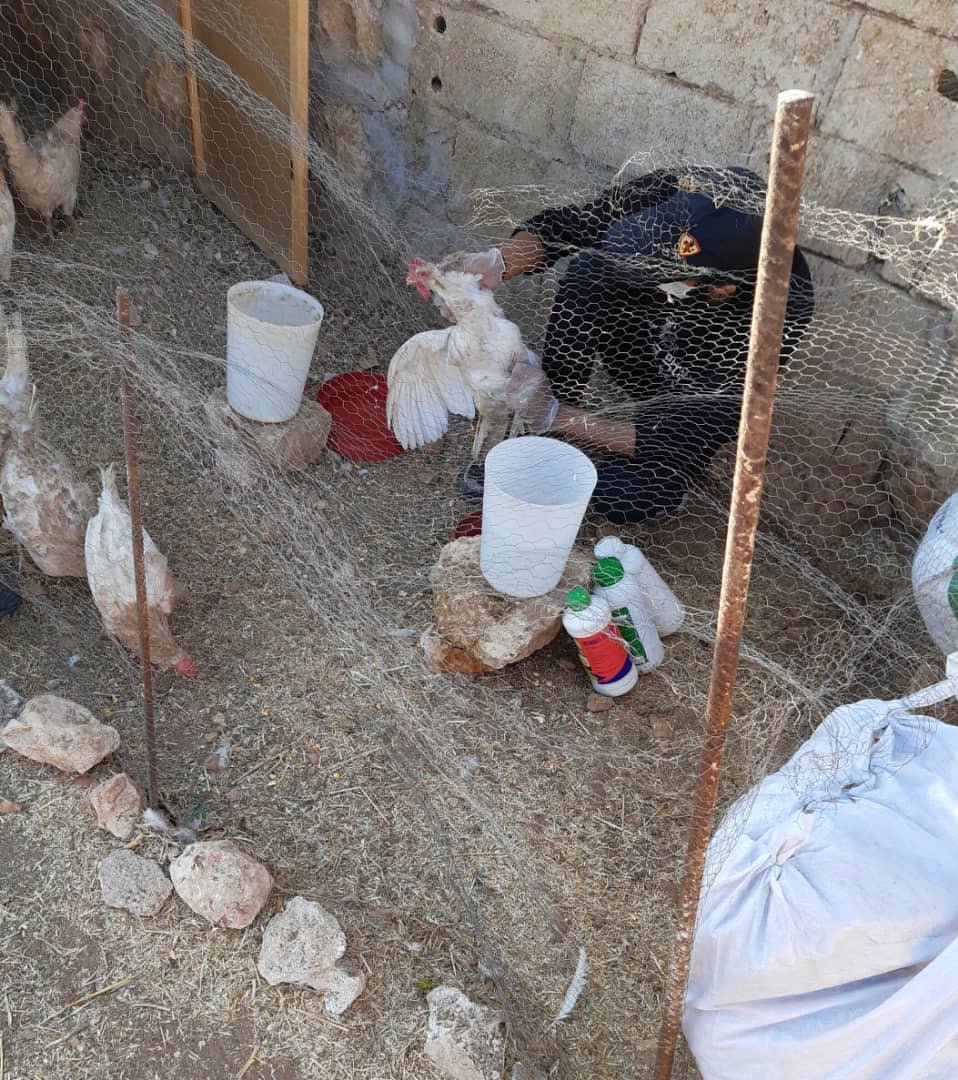
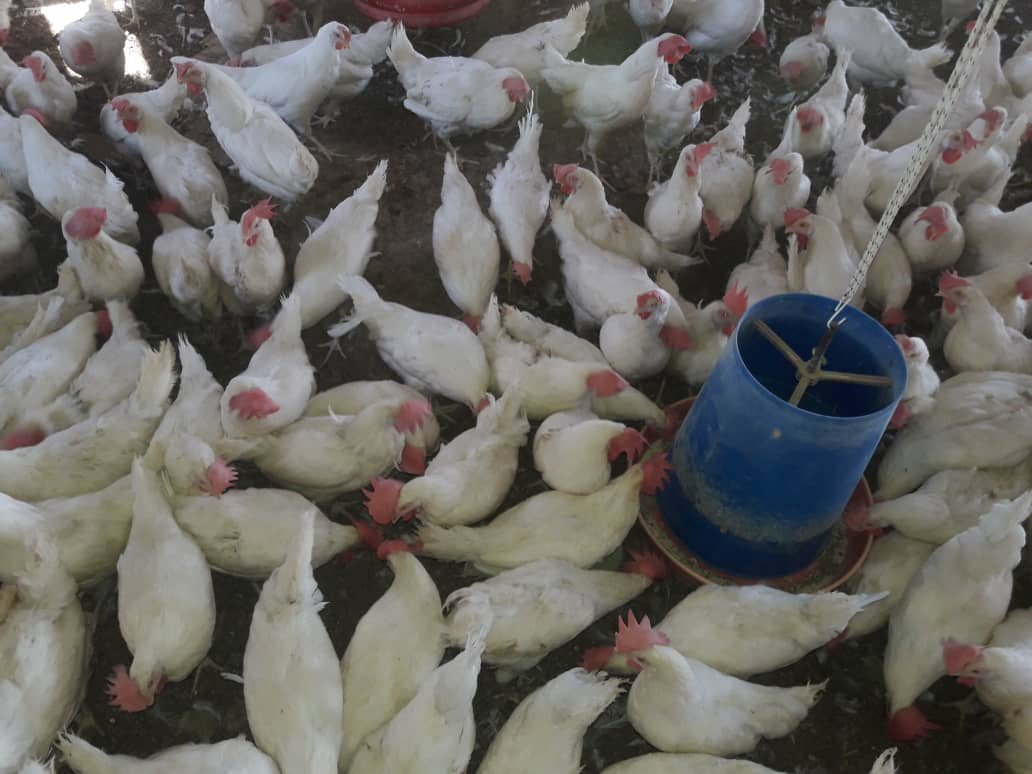
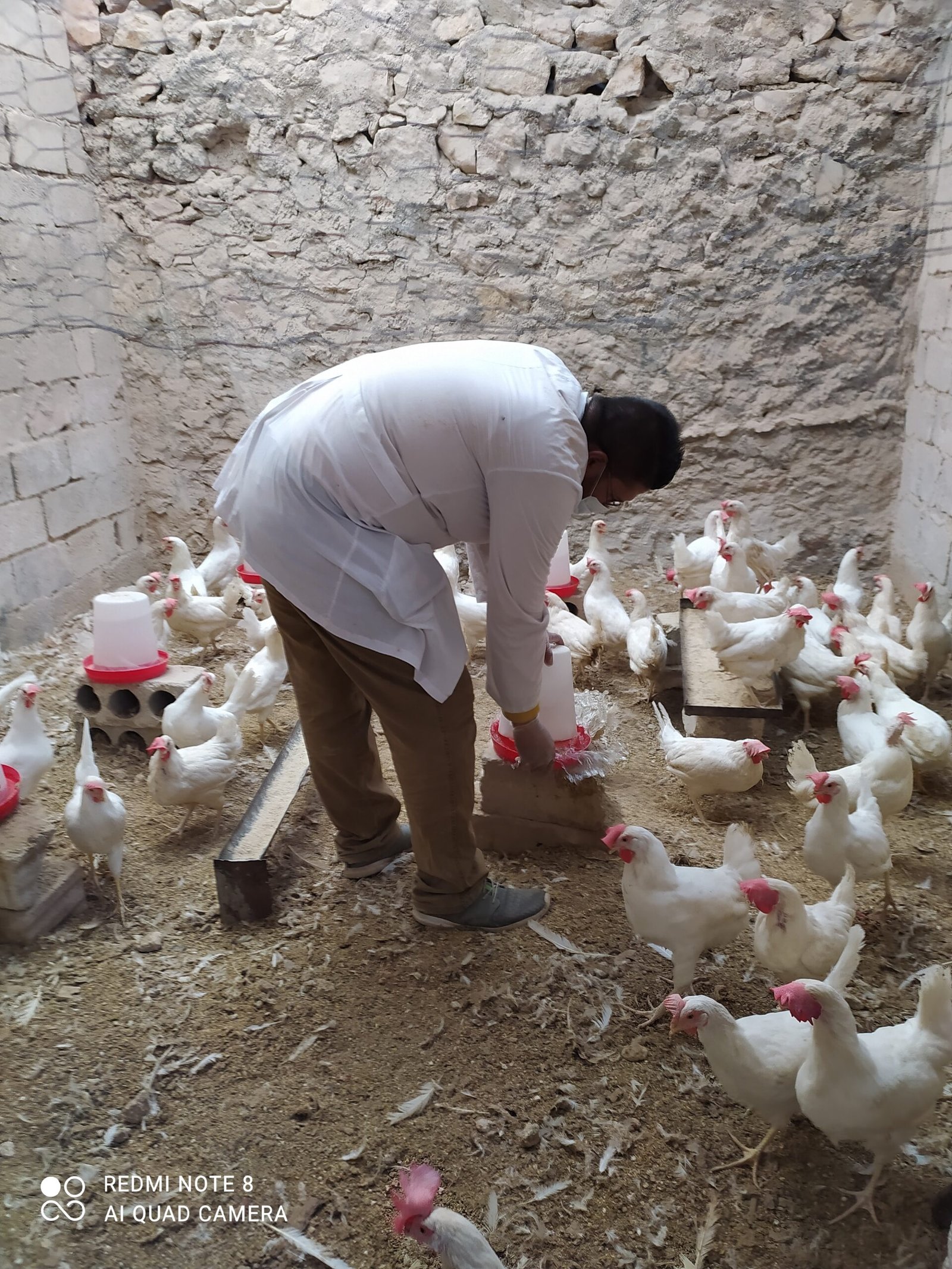
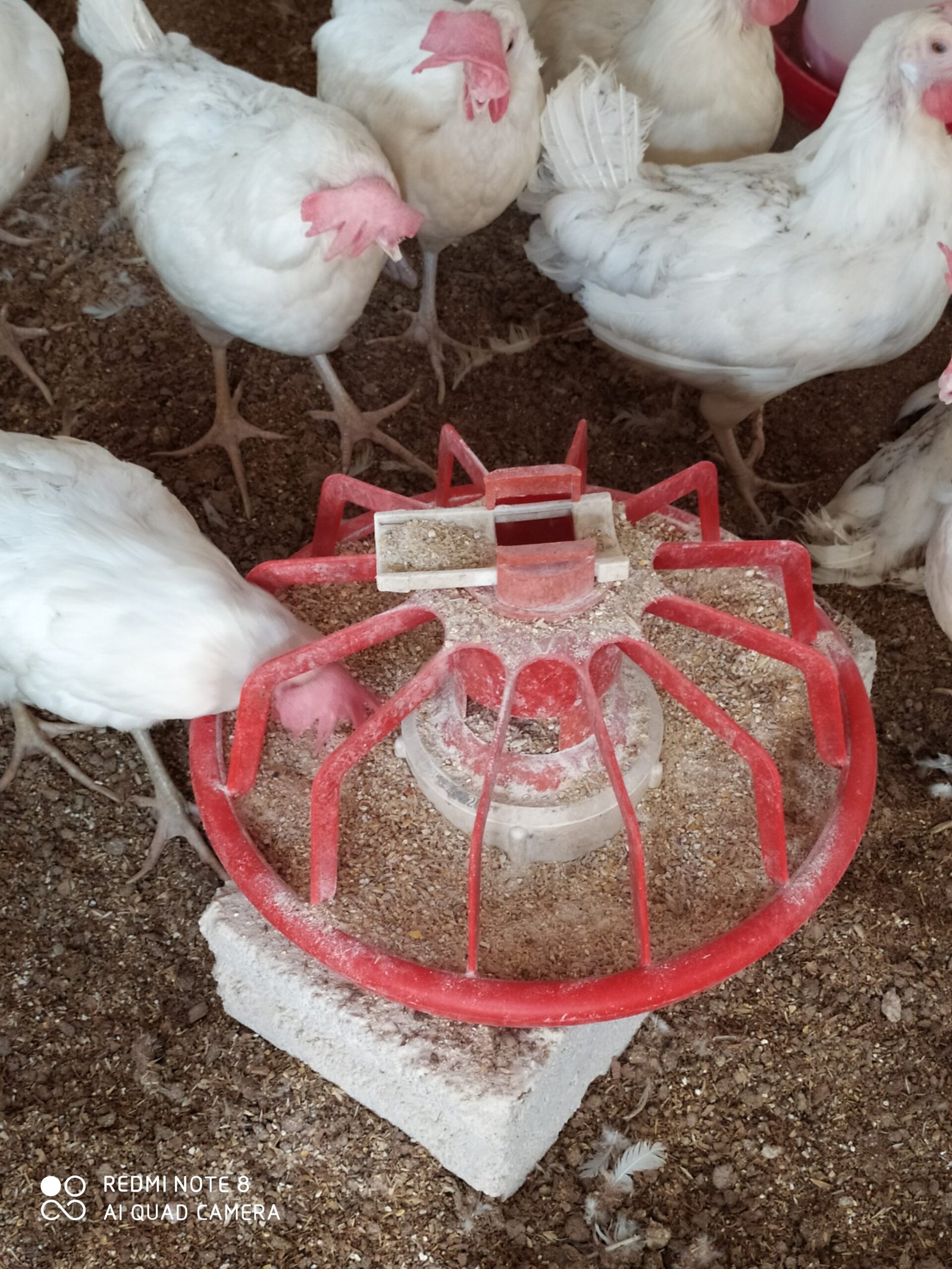
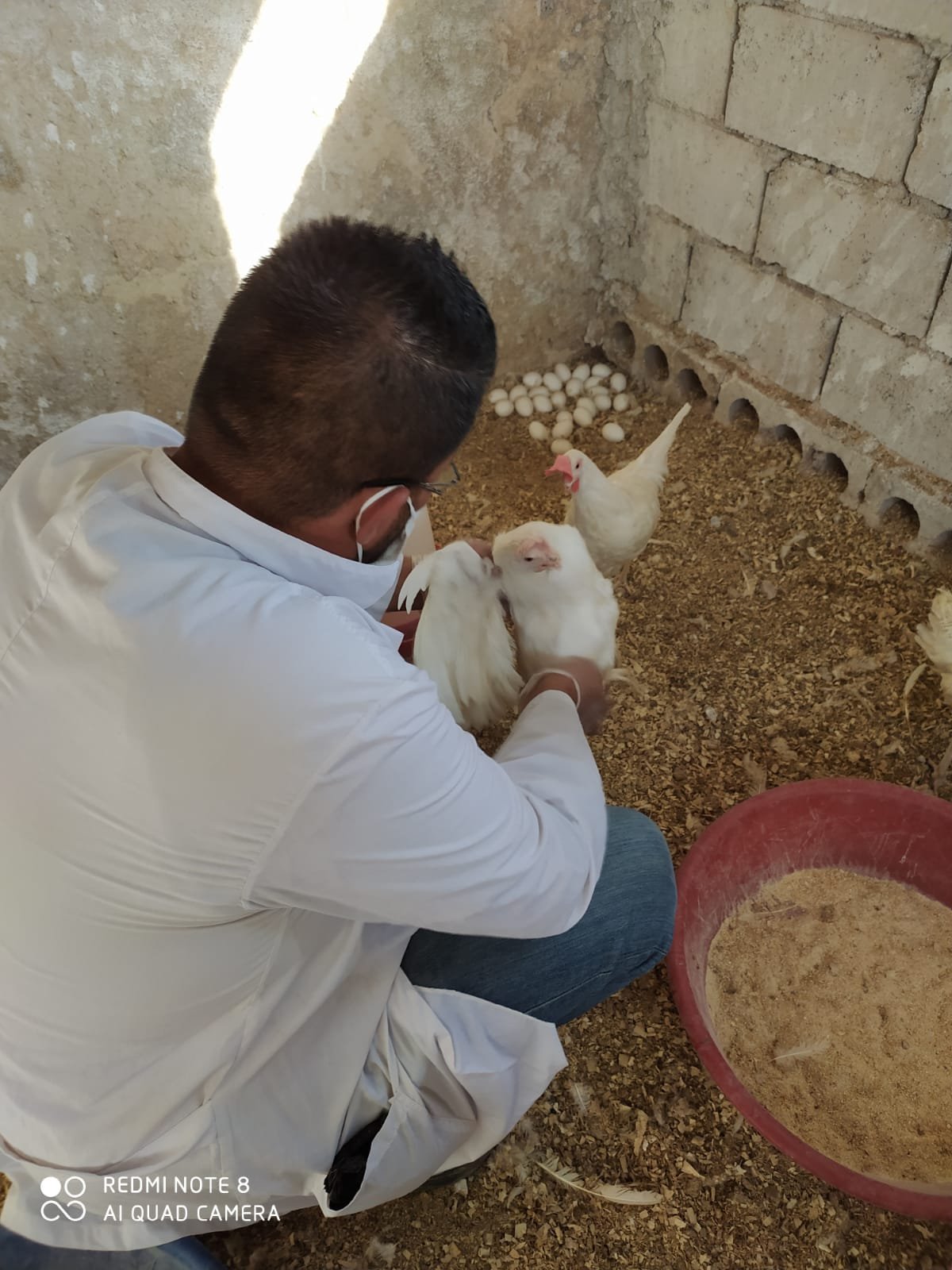
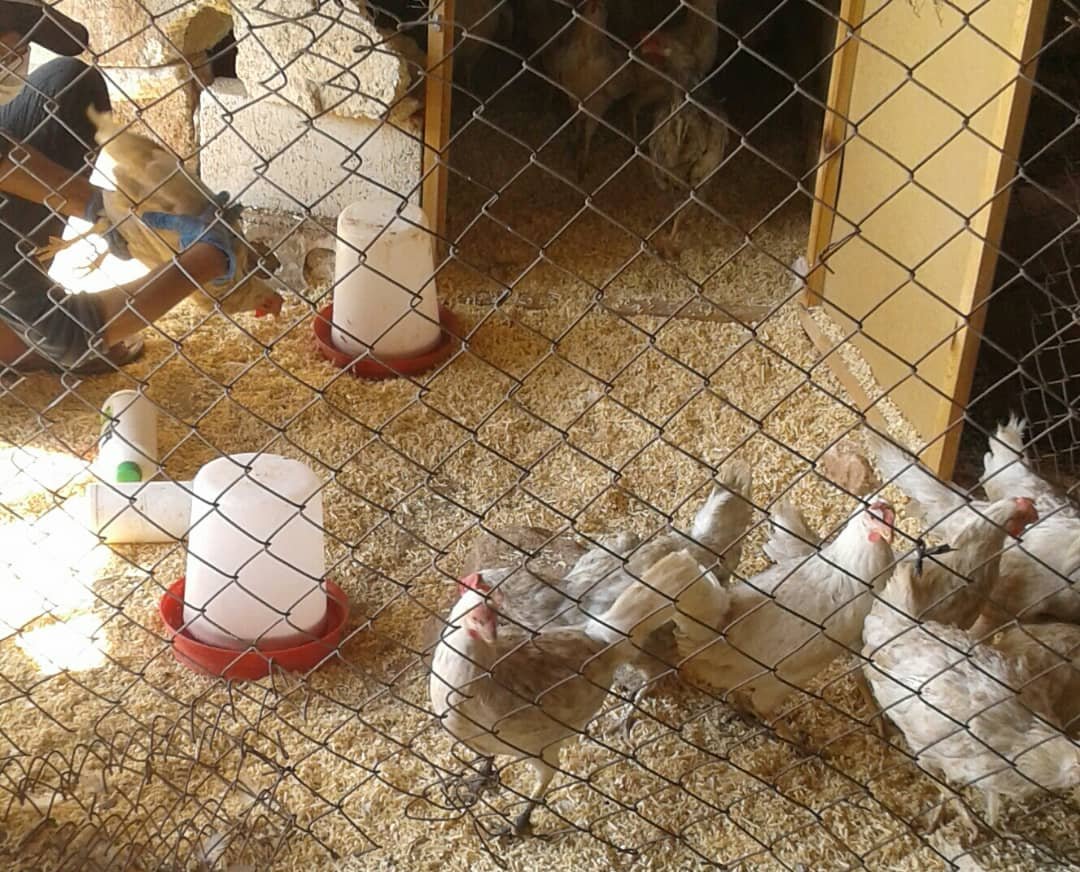
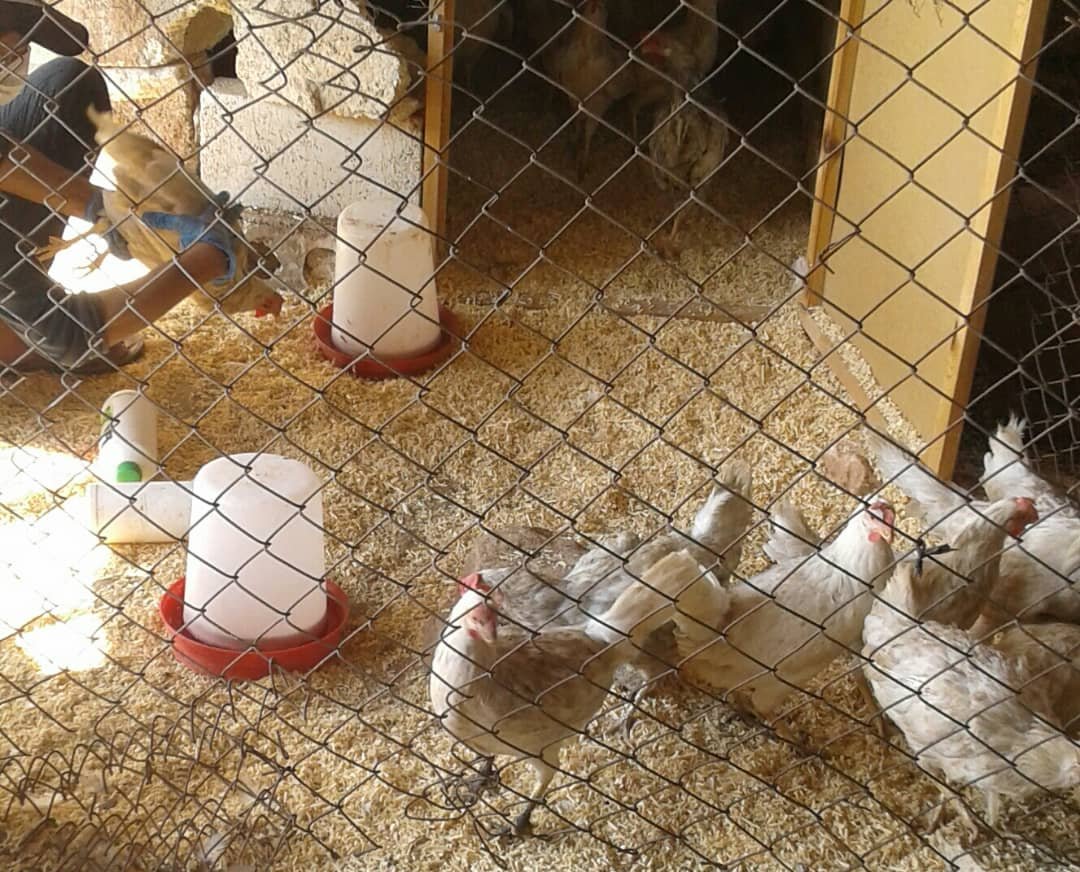
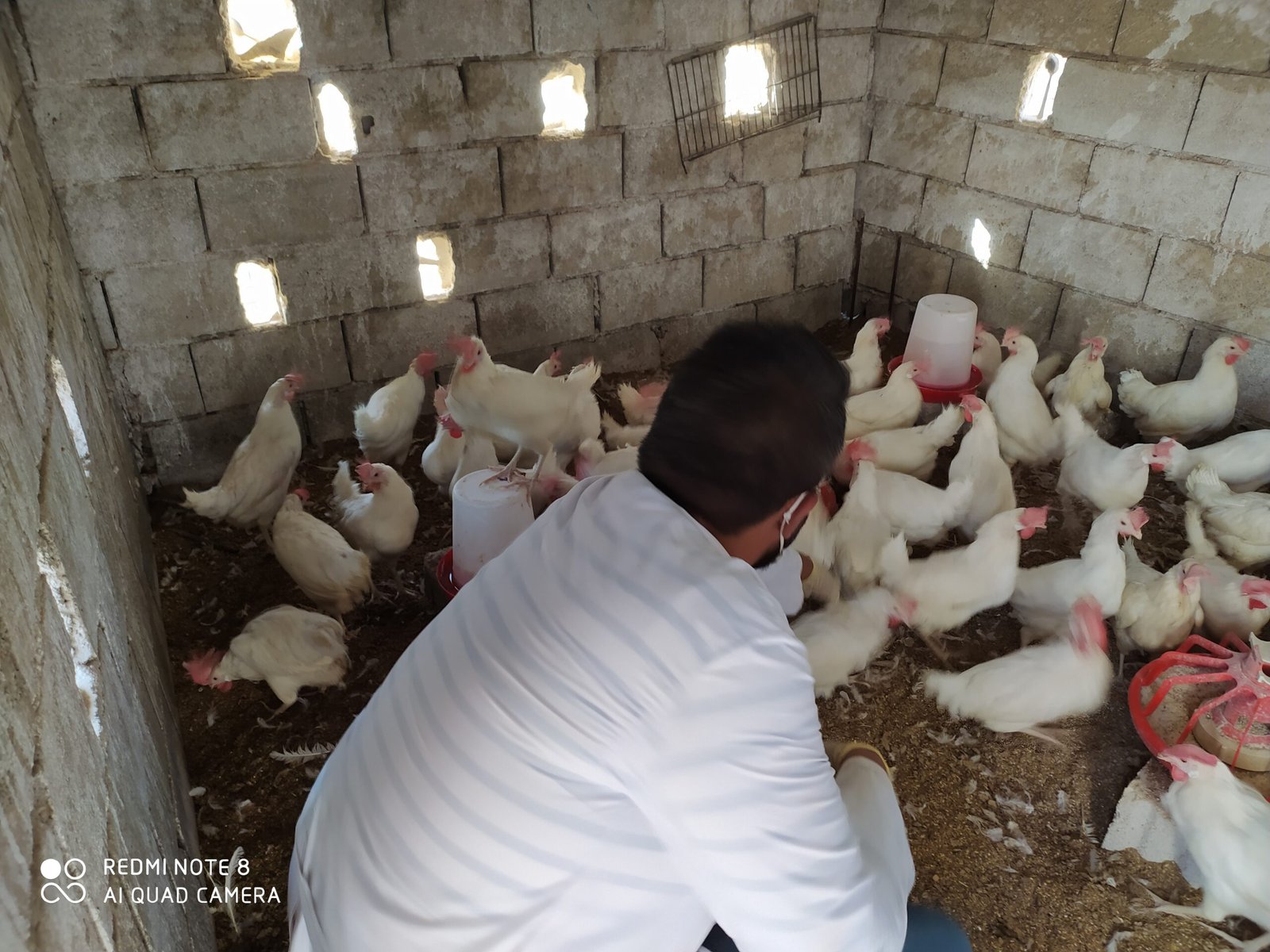
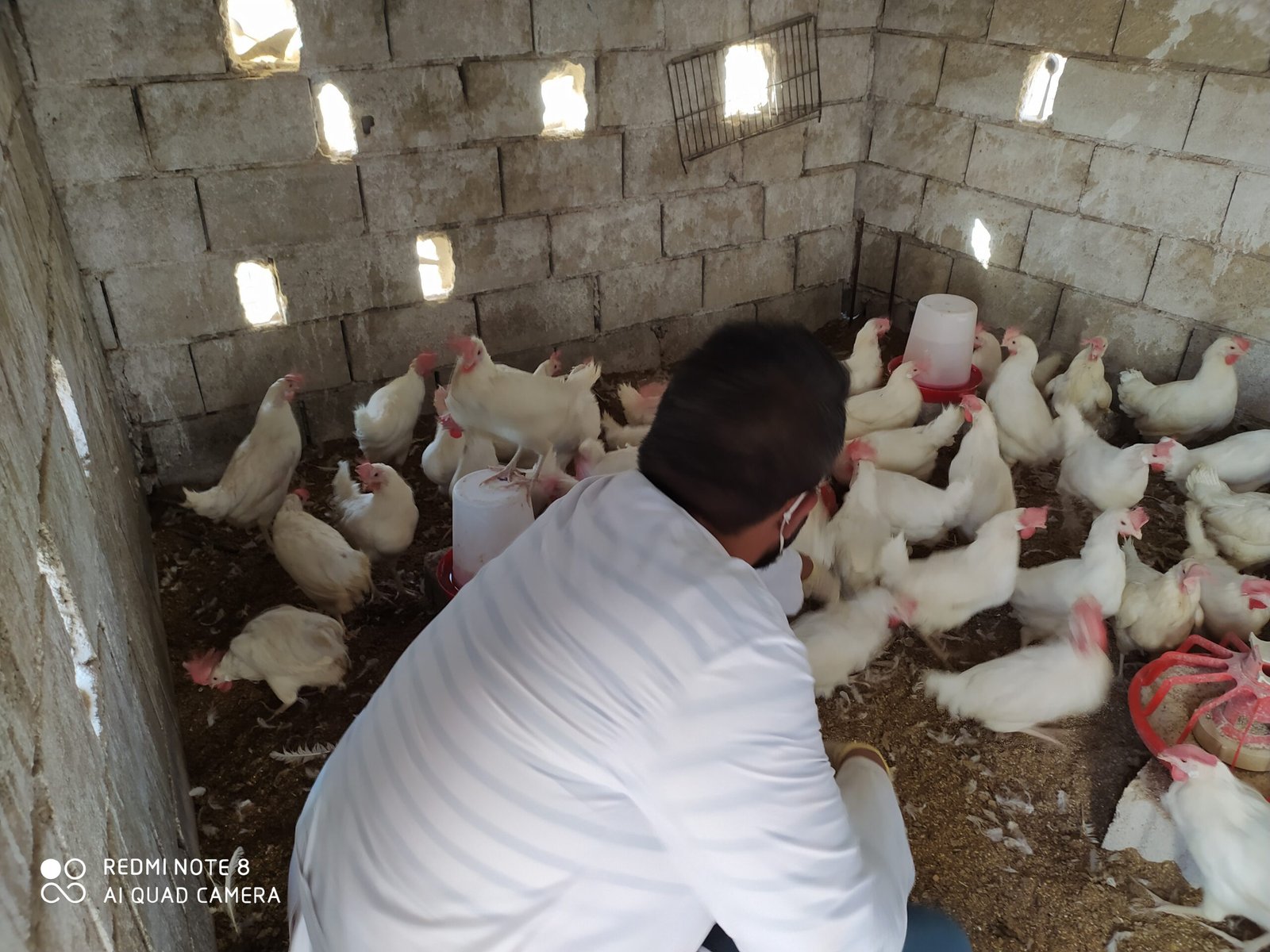
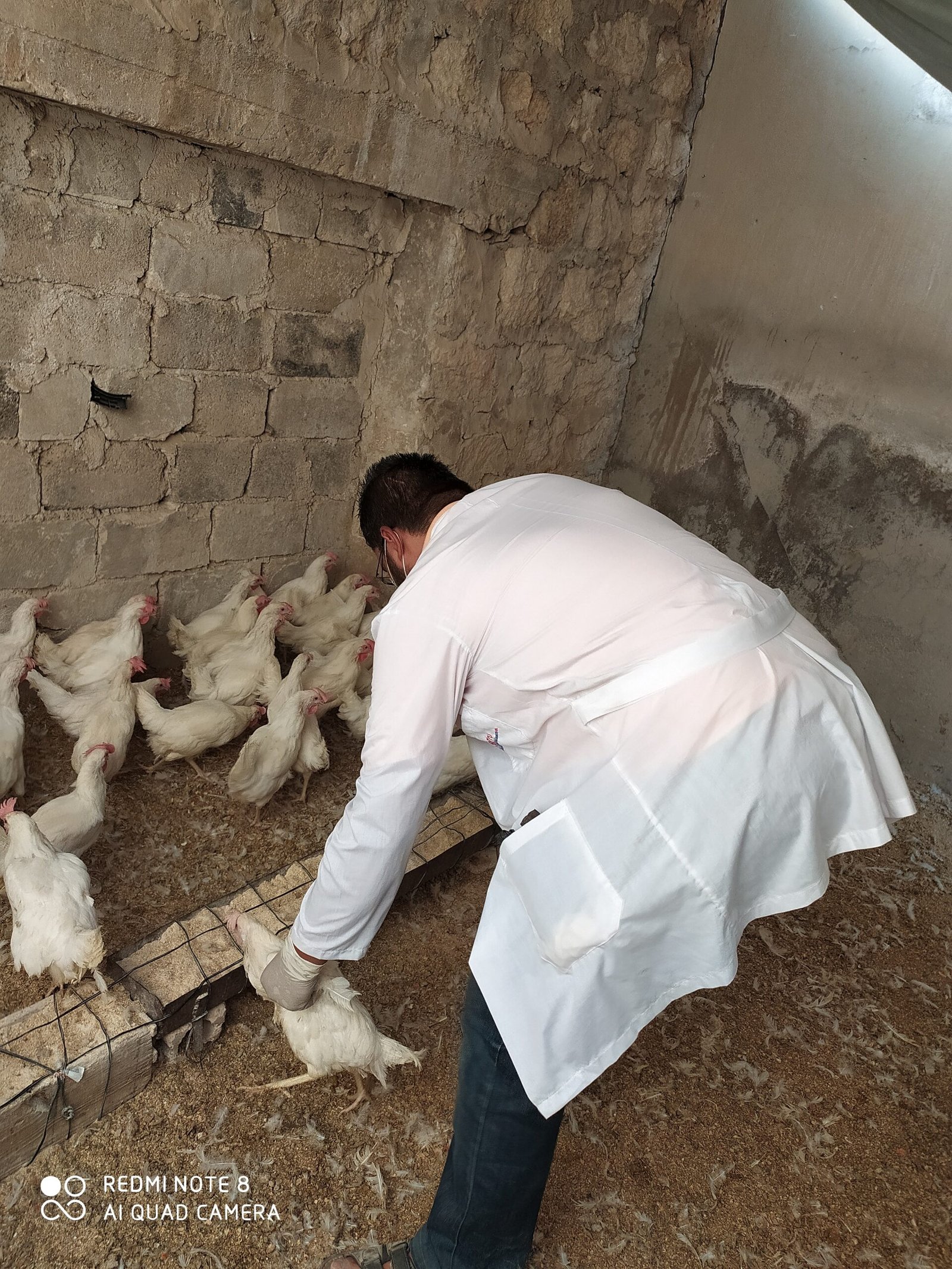
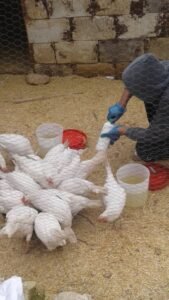
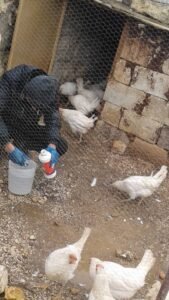
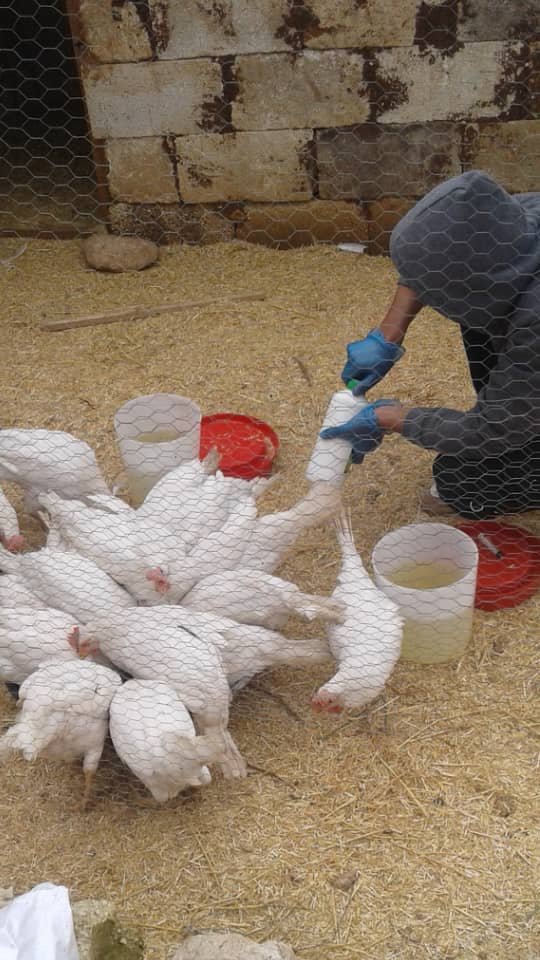
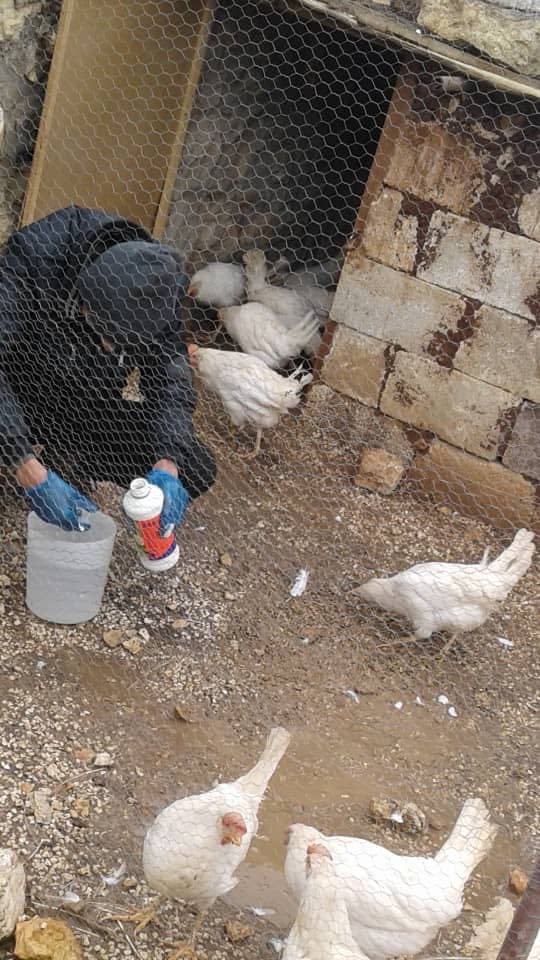
This project supported poor and war-affected families by helping them earn monthly income through poultry farming (laying hens). Activities included:
- Selecting target families (focus on female-headed families, displaced families, families with special needs and patients)
- Distributing laying hens to 93 poor families
- Repairing and restoring chicken coops
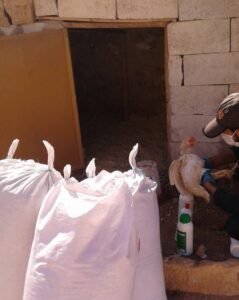
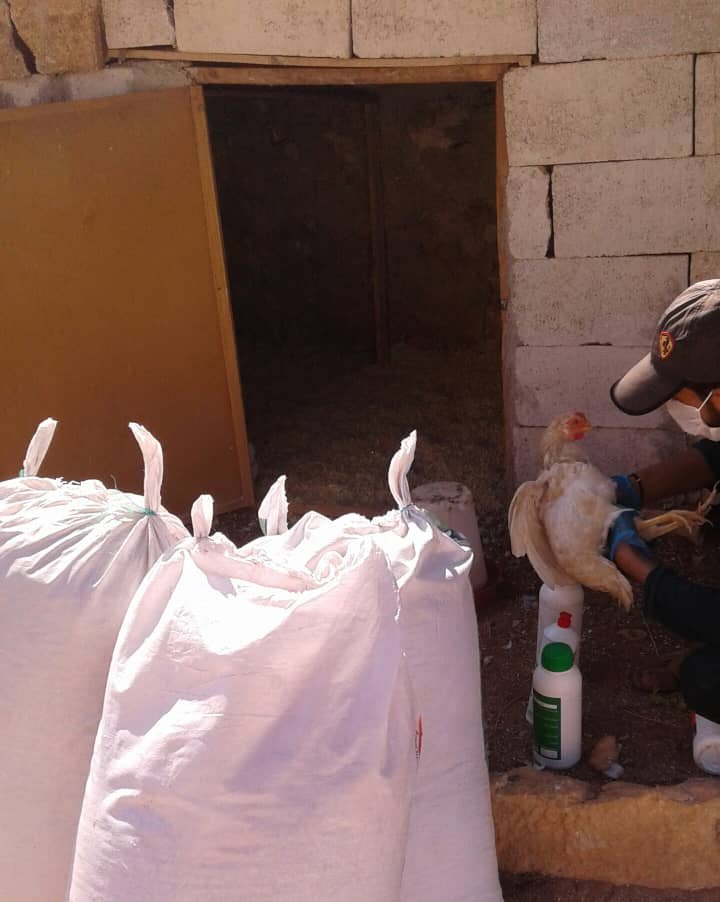
- Providing chicken feed for the project period
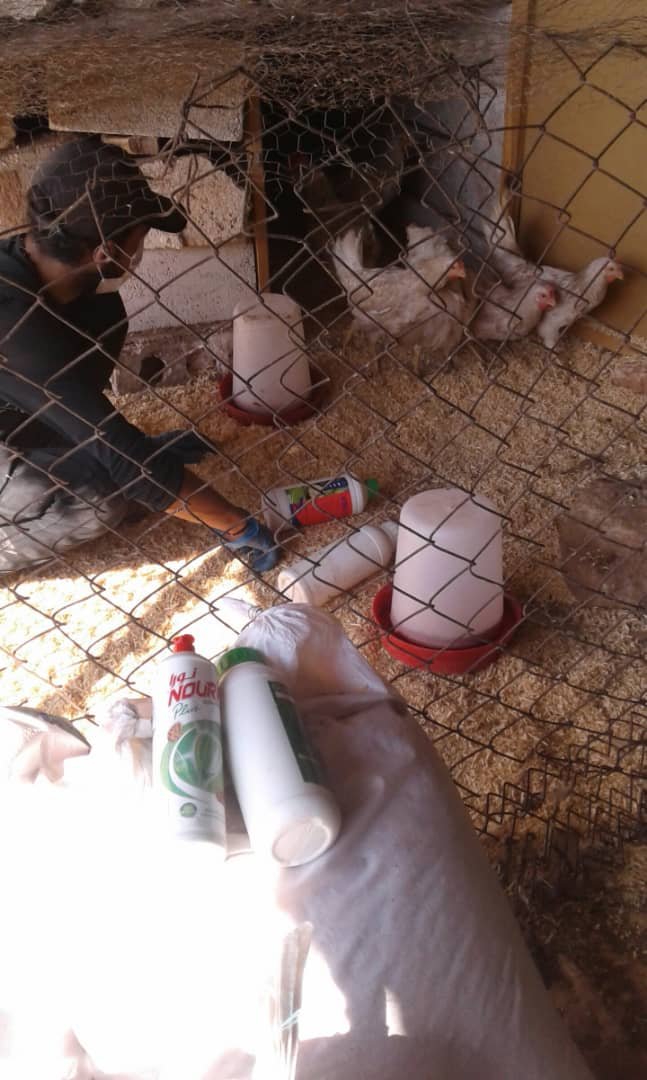
- Supplying cleaning materials for coops and poultry care
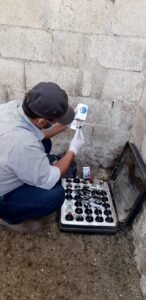
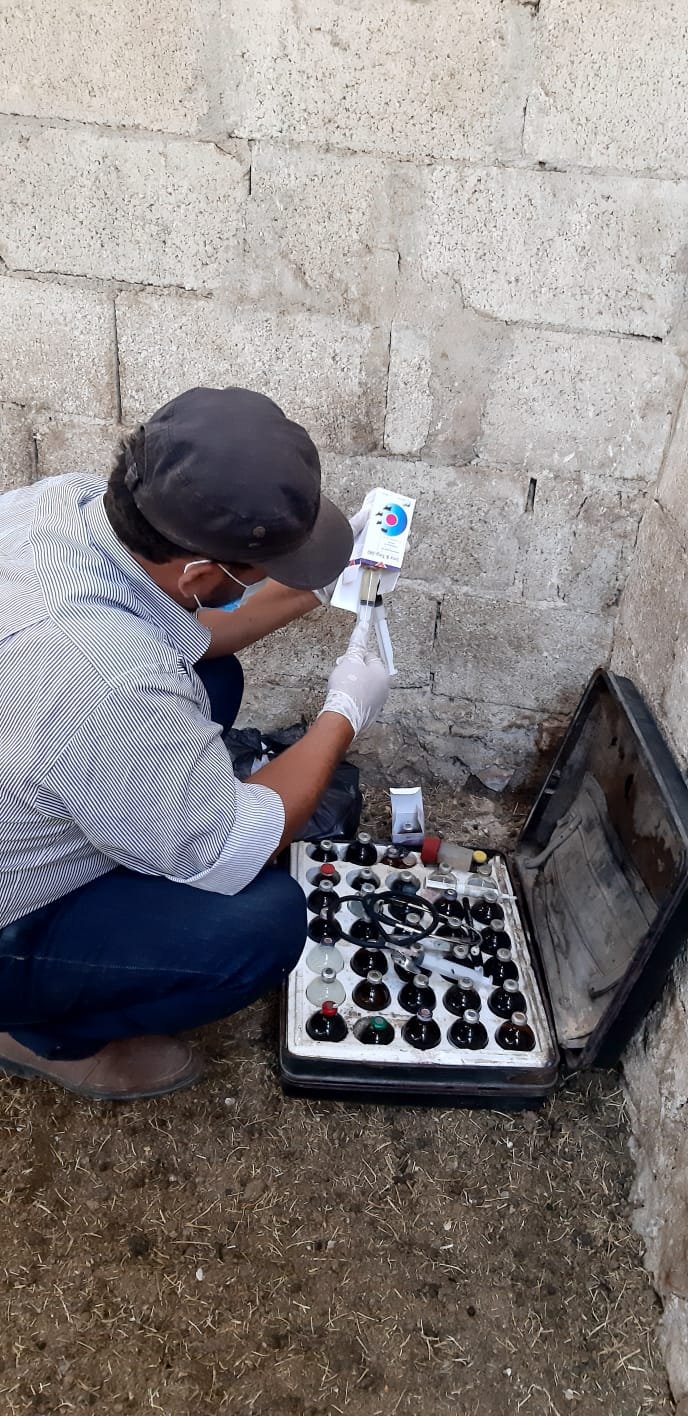
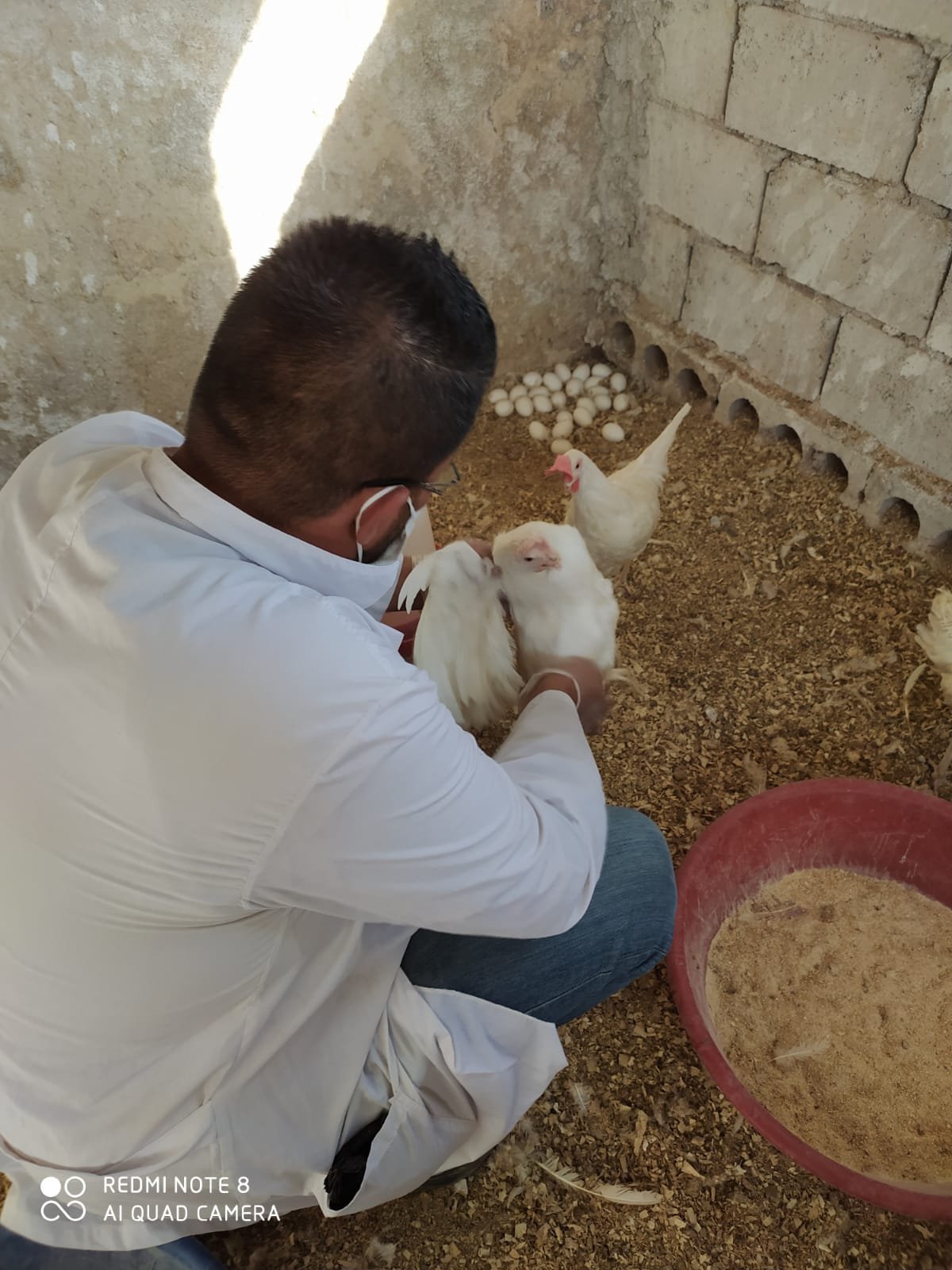
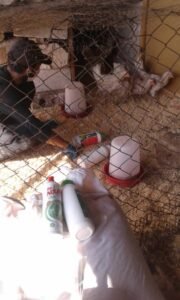
- Providing veterinary services (medications and regular care consultations)
- Monitoring production and monthly income for each family.
The project benefited 93 poor families and 465 individuals (170 males, 305 females) in Talbiseh and its rural areas.
2. Livelihoods and Livestock in Rural Areas – Phase 2 (2019-2021)
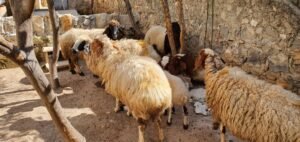
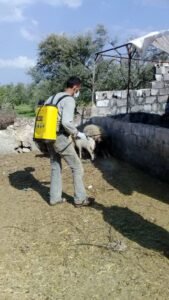
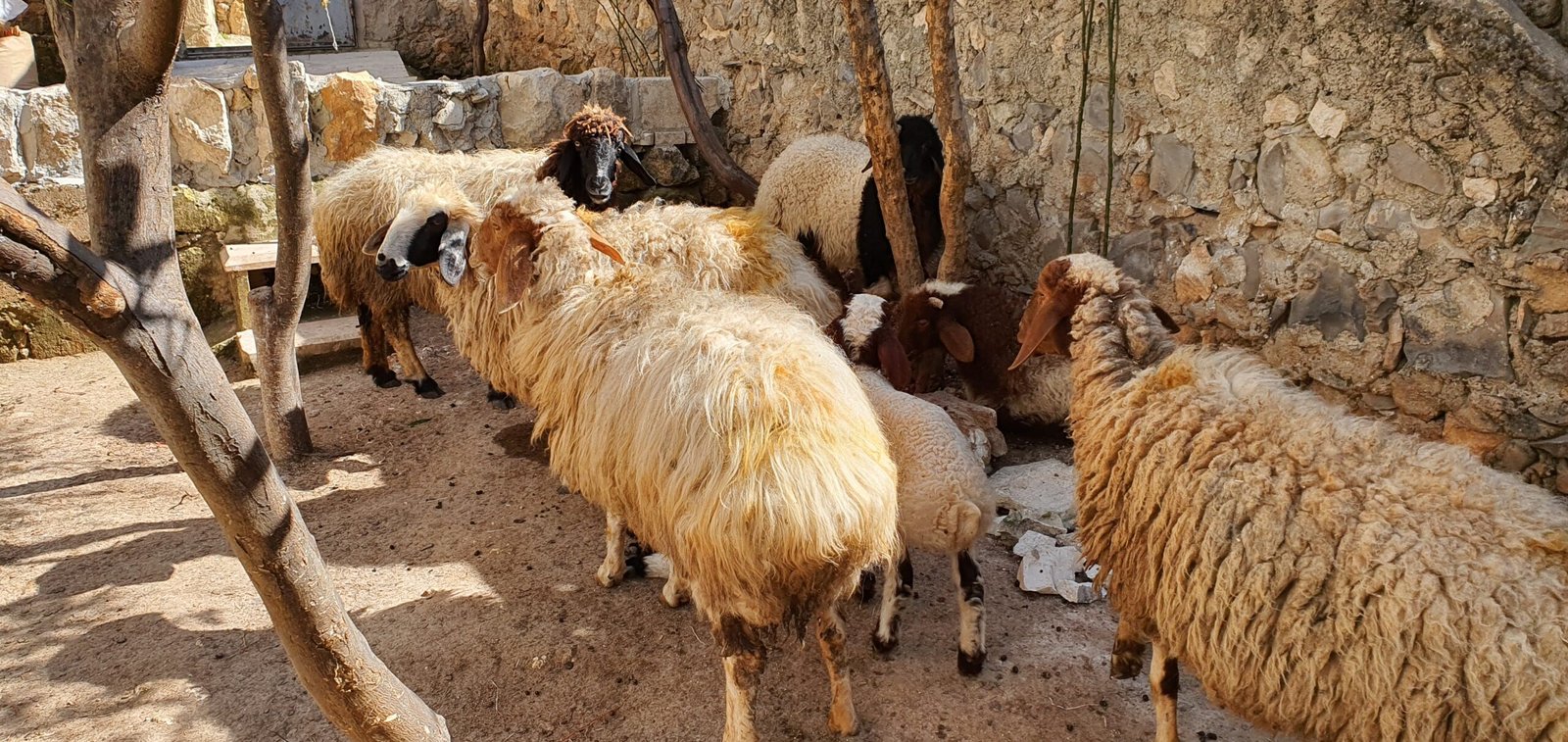
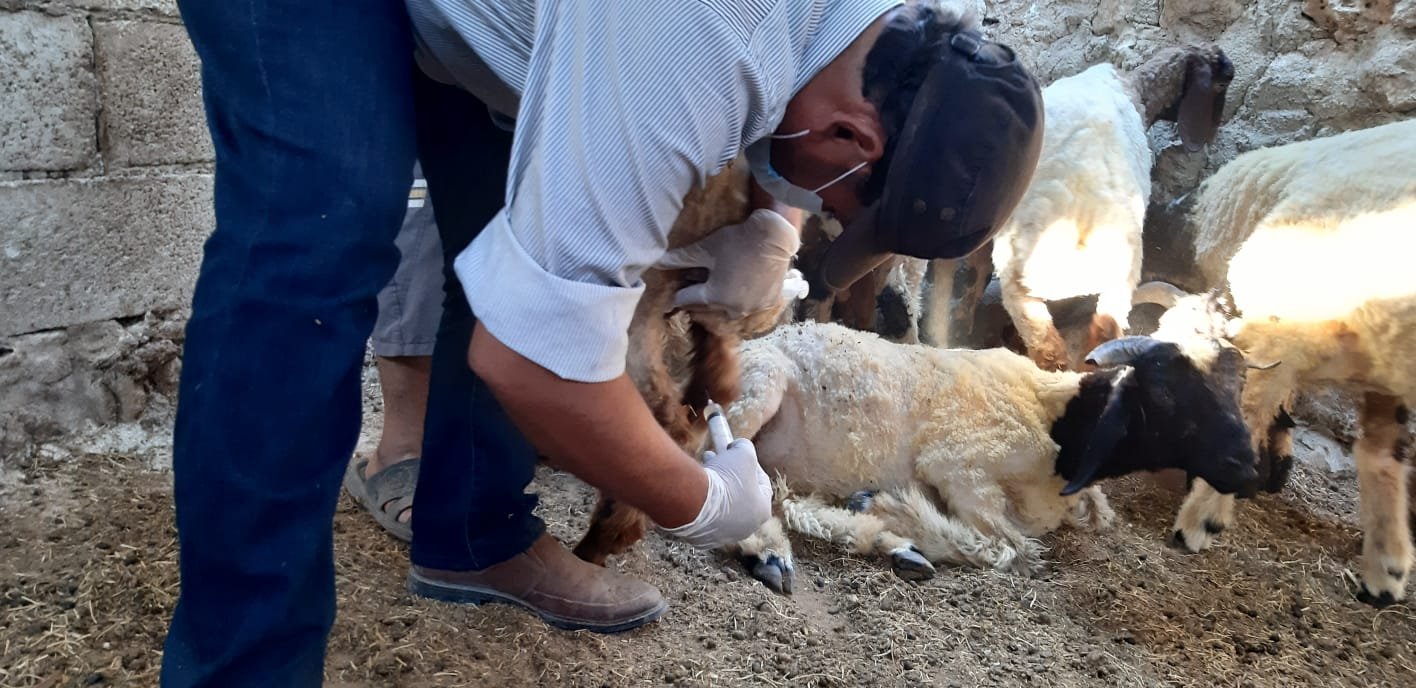
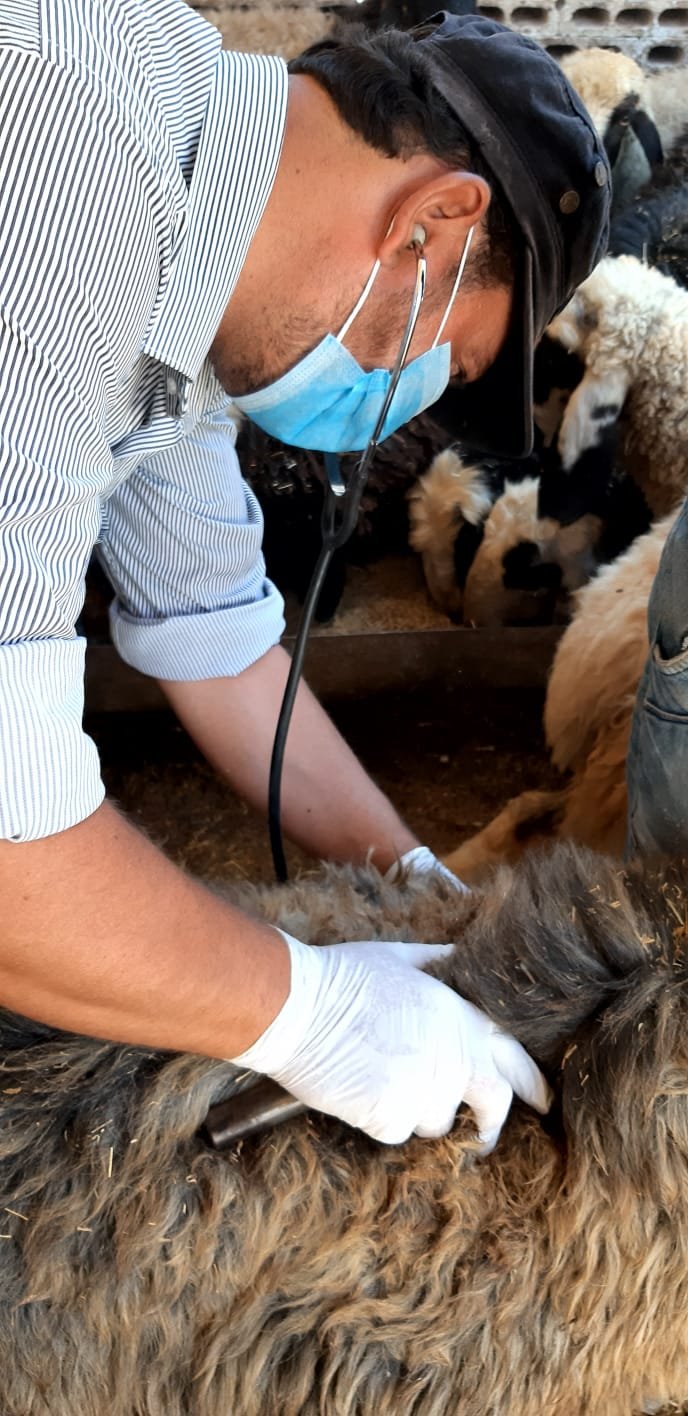
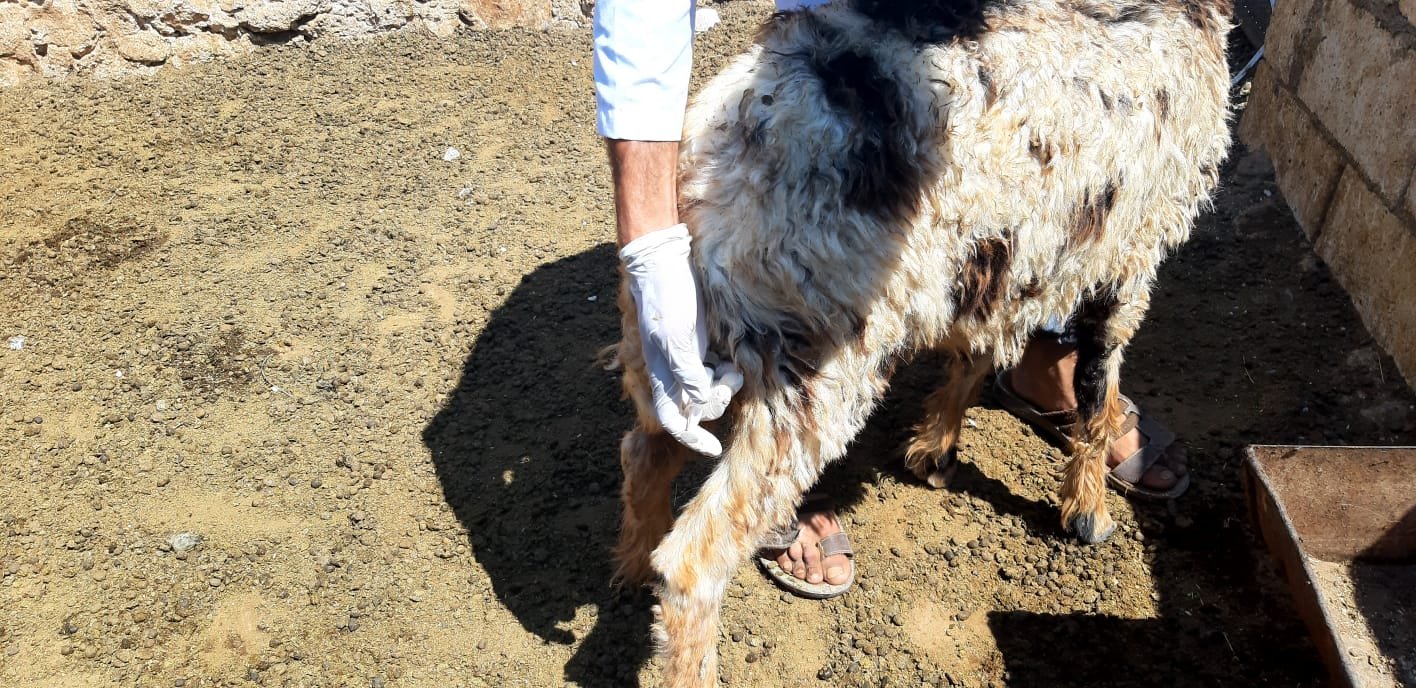
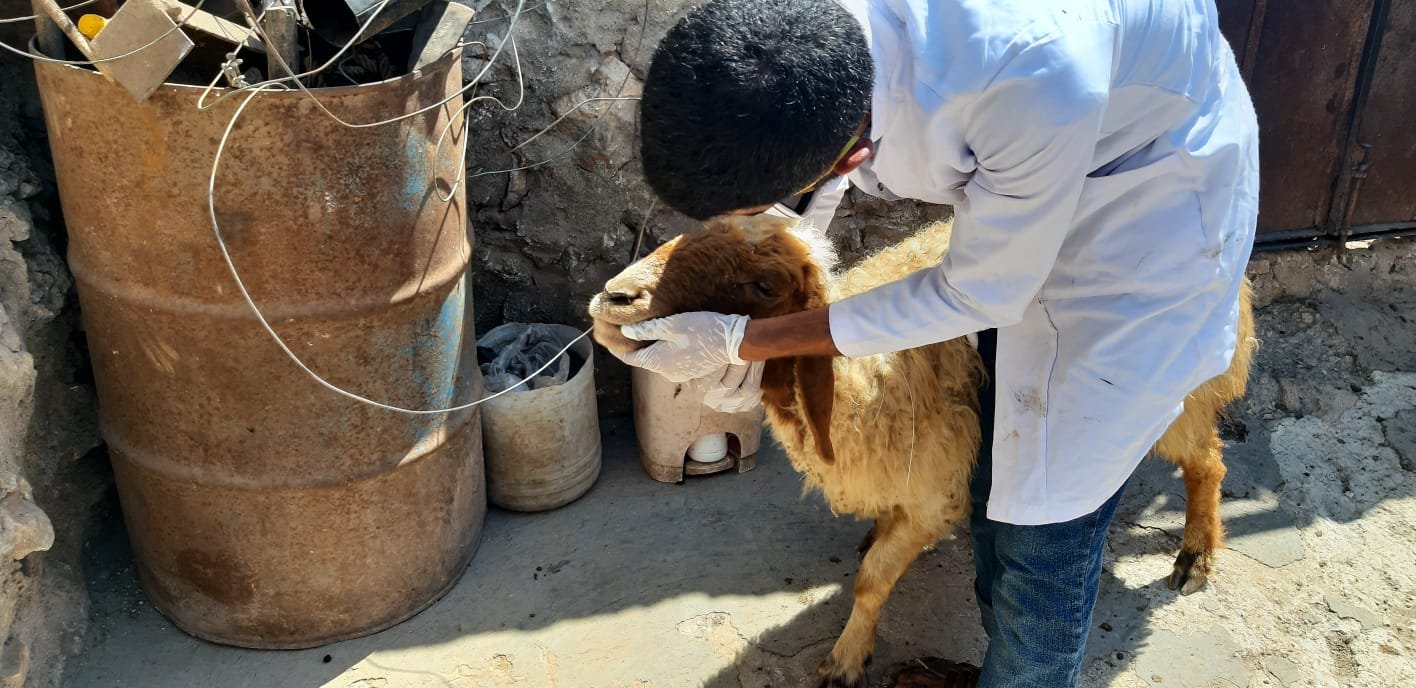
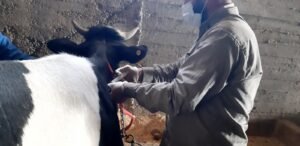
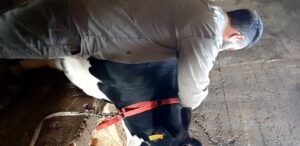
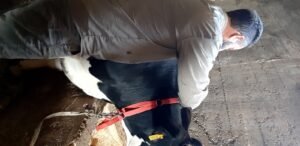
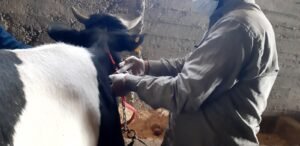
This project supported poor rural and war-affected families in Rural Damascus and Rural Hama by helping them earn income through livestock and their products (sheep, cows). Activities included.
- Selecting target families (female-led, displaced, special needs, patients)
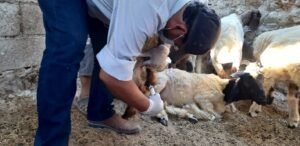
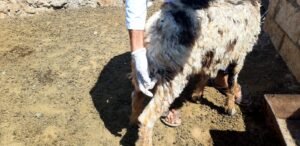
- Distributing livestock (sheep or cows) to 644 poor families
- Repairing and restoring livestock shelters
- Providing livestock feed for the project period
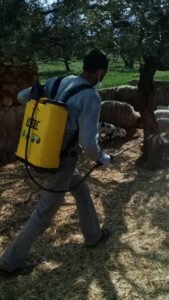
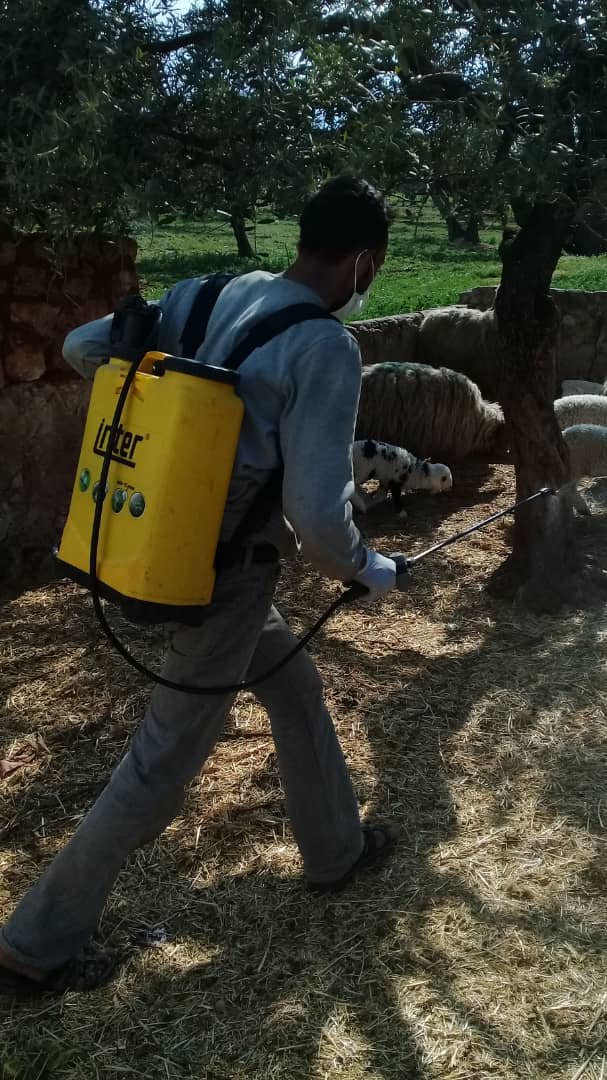
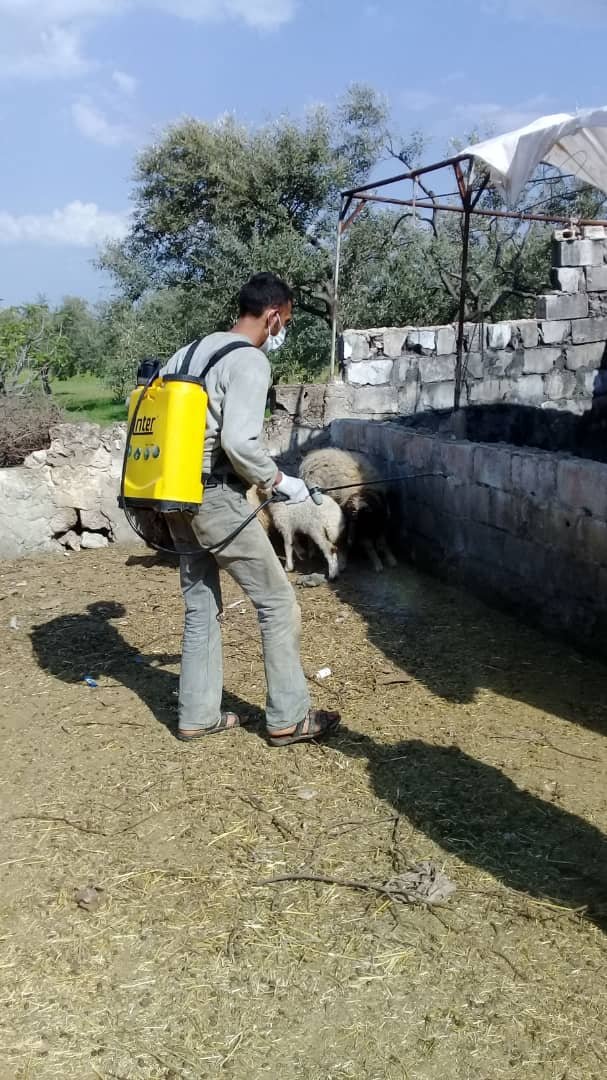
- Supplying cleaning materials for shelters and livestock care
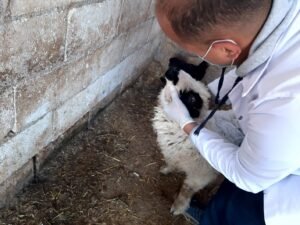
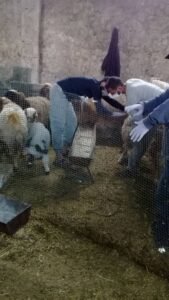
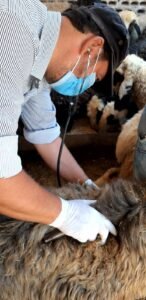
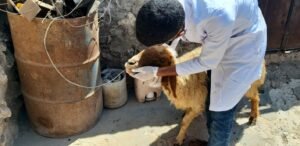
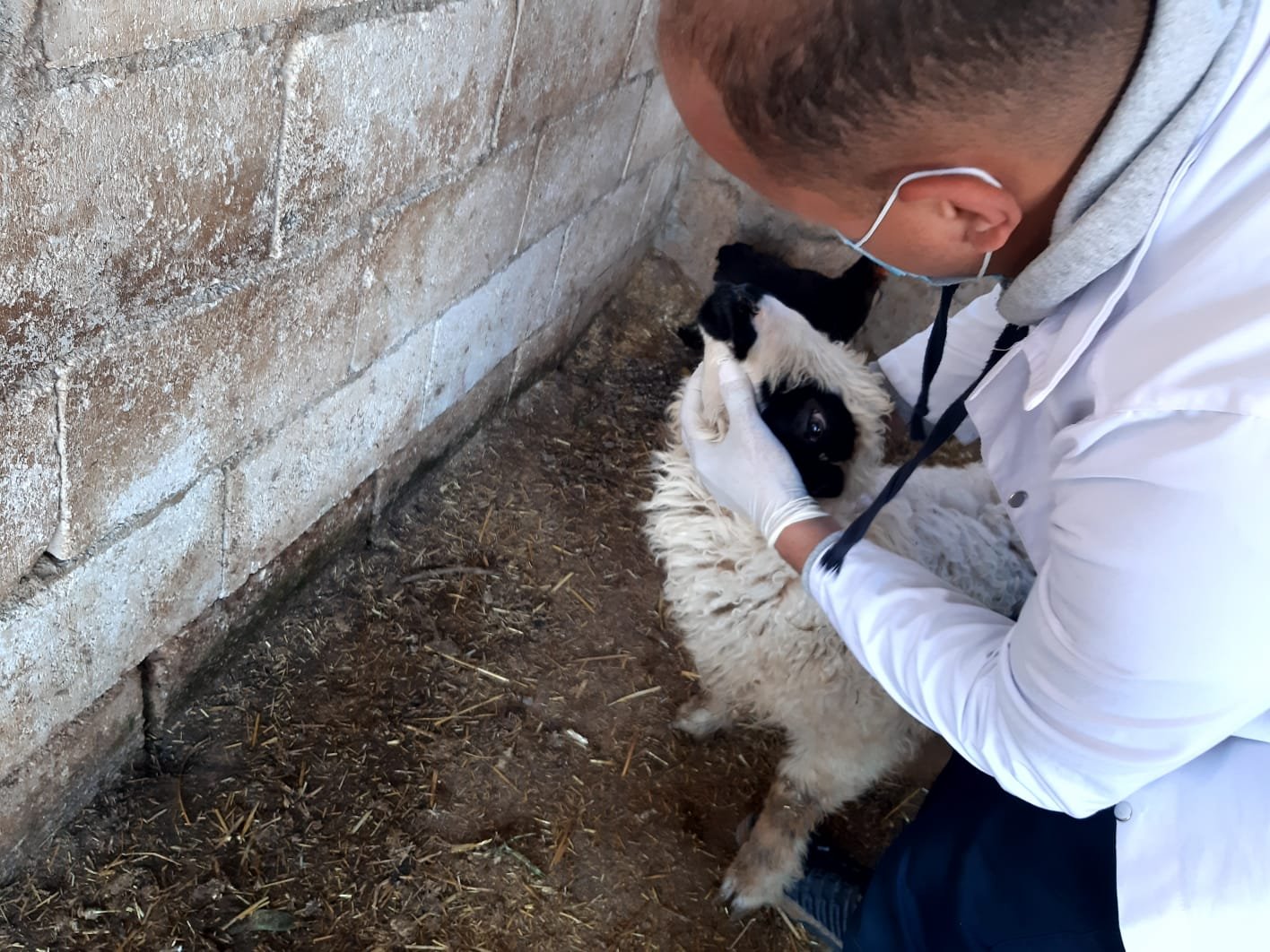
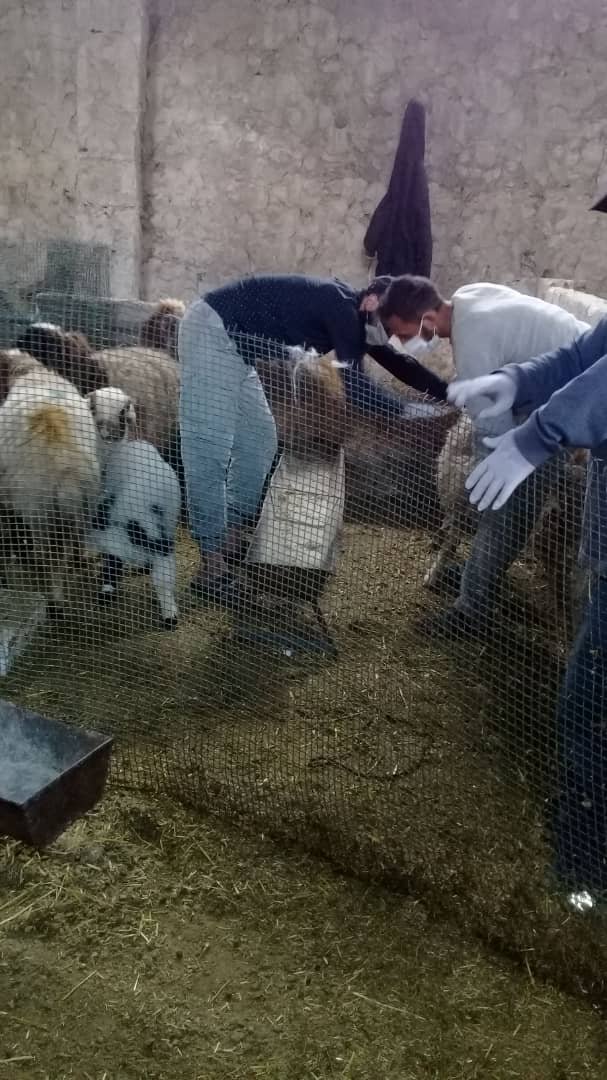
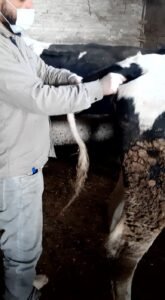
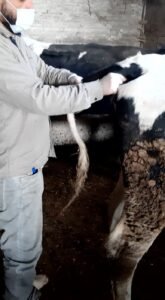
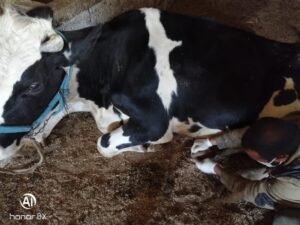
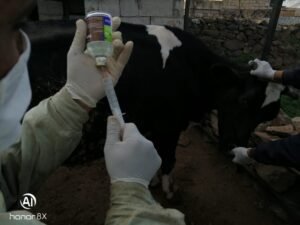
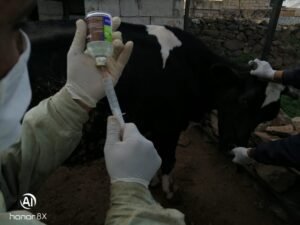
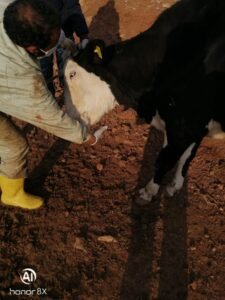
- Providing veterinary services (vaccinations, medications, regular consultations)
- Monitoring production and monthly income per family.
The project targeted 644 poor families and benefited 4,469 individuals (2,501 females, 1,938 males).
3. Livelihoods and Livestock in Rural Areas – Phase 3 (2020-2021)
This project supported poor rural and war-affected families with monthly income through poultry (laying hens) or livestock (sheep). Activities included:
- Selecting target families (female-headed, displaced, special needs, patients)
- Distributing laying hens to 150 families
- Distributing sheep to 80 families
- Repairing and restoring shelters
- Providing suitable feed during the project
- Supplying cleaning materials for shelters and care of poultry or livestock
- Providing veterinary services (vaccinations, medications, consultations)
- Monitoring production and monthly income for each family.
- The project also included winter assistance for 140 poor families, providing:
- Heaters and heating fuel
- Blankets, mattresses, and carpets.
In total, the project benefited 370 poor families and 2,214 individuals (1,324 females, 890 males).